Focused arrival windows
Useful updates and clear arrival timing.
Cast Iron Sewer Pipe Replacement Bryan TX is the fix when 40- to 70-year-old cast iron finally gives up. We run a sewer camera inspection system down the line, show you the cracked sewer pipe or root intrusion on screen, then swap the bad section for PVC pipe. Our crews work Bryan Heights, College Hills, and Austin's Colony daily. Call (979) 340-0181 and we'll be on site the same day.
Useful updates and clear arrival timing.
Review the approach and price before deciding.
Equipped vehicles and respectful cleanup.
Neighbors serving neighbors with follow-through.
Every replacement includes the camera inspection, the permit, the pipe, the bedding, and the cleanup. You get one flat price before we dig, and we do not add line items mid-job.
A NASSCO PACP certified sewer camera inspection system run before and after the work. You get the footage, which shows the cracked sewer pipe or root intrusion and then proves the new line is clear and properly pitched.
We pull the plumbing permit, schedule the inspection, and meet the inspector on site. The signed-off permit goes in your records, which matters when you sell and the buyer's inspector asks about the drain line.
Schedule 40 PVC pipe for open-cut runs and HDPE pipe for trenchless pipe bursting, both rated for 50-plus years. Couplings at the house and city tap use banded stainless clamps, not glue-only joints.
Pipe sits on compacted gravel and backfill, then we compact the trench in lifts so the ground does not settle. That bedding is what keeps the line at grade and stops future bellies.
We replace sod, gravel, or concrete we removed and leave the yard raked and clean. On trenchless jobs that usually means two small patches instead of a 60-foot scar across the lawn.
Share what is happening and receive a clear next step from the local team.
Cast Iron Sewer Pipe Replacement Bryan TX is the excavation or trenchless swap of failed cast iron drain lines for new PVC pipe that meets current plumbing code. Cast iron was the standard in Bryan homes built between the 1940s and 1970s, and after 50-plus years of Brazos County soil movement, most of it is corroded cast iron pipe with scale, pitting, and hairline cracks. We cut out the bad run, set new pipe on compacted gravel and backfill, and tie it back into the city main.
Most Bryan calls start the same way: a sewage backup in a laundry drain, gurgling toilets, or a slab leak that keeps coming back after snaking. If your house sits in a 1960s subdivision off Villa West or Woodland Hills, the odds are good you have cast iron under the slab. A cast iron sewer line replacement near me Bryan TX search usually means the line has already failed twice. We fix it once, with pipe rated for 50-plus years.
We push a sewer camera inspection system through the cleanout and record the whole line. You watch the monitor with us and see exactly where the pipe is cracked, collapsed, or packed with roots. The inspection takes 30 to 45 minutes and tells us whether you need a spot repair or a full run.
We mark the pipe path on the surface with paint and flags, then check for gas, water, and electrical lines before anyone digs. On trenchless jobs we set two access pits, one at the house and one at the city tap. This step takes about an hour and keeps the excavator out of your irrigation.
For open-cut work we bring in a mini excavator and hand-dig the last few feet near the foundation. For trenchless, a pipe bursting machine pulls new HDPE pipe through the old cast iron while it fractures outward. Either way, the old pipe comes out the same day it goes in.
We lay new PVC pipe on compacted gravel and backfill, keeping the fall at the quarter-inch-per-foot grade the code requires. Couplings at the house connection and city tap get banded stainless clamps. A laser level keeps the whole run straight and pitched correctly.
Before we close anything up, we run water through the line and camera it a second time to confirm flow. Then we compact the backfill, restore the surface, and walk the job with you. Most Bryan replacements wrap in one to two days from start to final inspection.
Records the inside of the line so we can pinpoint cracked sewer pipe, root intrusion, and bellies, and prove the new pipe is clear after the job.
Pulls a bursting head through old cast iron while new HDPE pipe follows behind it, replacing the line without a long open trench.
Blasts grease, scale, and roots out of the line before inspection so the camera can actually see the pipe wall.
Digs the main trench on open-cut jobs while we hand-dig the last few feet near the foundation and utilities.
Keeps the new pipe at the quarter-inch-per-foot fall the code requires, which is what prevents future bellies and standing water.
Tamps backfill in lifts so the trench does not settle and pull the new pipe out of grade.
Clean, square cuts on cast iron and PVC so couplings seat properly and joints do not leak.
The industry standard for grading sewer pipe condition. Our operators are PACP certified, so the footage and report we hand you meet the format city inspectors and real estate sewer scopes accept.
We use HammerHead Trenchless and TT Technologies heads to fracture old cast iron outward while new HDPE pipe is pulled into its place. Best for straight runs under lawns, driveways, and patios.
For collapsed sewer pipe, deep bellies, or multiple offset joints, we open the trench, set new PVC pipe on gravel and backfill, and compact in lifts. Full control of grade and bedding.
When the pipe is structurally sound but cracked, a CIPP liner with epoxy resin can seal it. We show you the camera footage and tell you honestly whether lining or replacement is the better spend.
We camera the full run, map the cracked joints and scale, and quote a trenchless pipe bursting replacement with new HDPE pipe. Two access pits, one day, no slab demolition. The line flows full-bore, the backups stop, and the homeowner has camera footage and a permit sign-off for resale.
We inspect during a turnover week, replace the failing cast iron lateral with PVC pipe, and document everything with before-and-after camera footage for the owner's file. Maintenance calls drop to zero, the owner has paperwork for the next lease, and the property passes its city inspection.
We hydro-jet to clear roots, camera the line, then excavate and replace the mixed clay and Orangeburg run with PVC pipe on fresh gravel bedding. Roots have nothing to enter, the line is code-correct, and the yard is restored with sod over the trench.
We work off-hours, burst the straight run under the lot, and open-cut only the collapsed segment near the grease interceptor. New pipe goes in with proper fall to the city main. The business reopens without losing a service day, and the new line handles grease volume without repeat clogs.
Bryan sits on expansive clay soil that swells when it is wet and shrinks hard in a dry summer, and that movement is what cracks cast iron joints in the first place. Most of the housing stock we work on was built between 1945 and 1975, so the drain lines are original cast iron, clay pipe, or Orangeburg pipe. Add mature pecan and live oak roots hunting for moisture, and you get the root intrusion and collapsed sewer pipe we see every week in Bryan Heights, College Hills, and Downtown Bryan. Summer is our busiest season because heat and heavy irrigation push the soil, and fall brings the post-summer backup calls. Winter freezes crack already-thin pipe walls. We pull City of Bryan permits on every replacement, follow Texas State Board of Plumbing Examiners code, and schedule inspections so the sign-off lands in your file. If you are weighing cast iron sewer pipe replacement for older homes Bryan, the honest answer is almost always yes once the camera shows scale and cracks along the run.
Mostly 1950s to 1960s slab-on-grade homes with original cast iron under the concrete. Trenchless pipe bursting is usually the right call here.
Older bungalows with clay pipe, Orangeburg pipe patches, and mature trees. Expect root intrusion at nearly every joint.
Newer subdivision with some builder-grade cast iron laterals now hitting 30 years. We see cracked joints from soil movement along the property line.
Tight lots and mature landscaping make open trenching expensive. Access pits are planned around driveways and irrigated beds.
Post-war ranch homes with long lateral runs to the city main. Deep lines here need shoring and careful backfill compaction.
Joint separation and cracked sewer pipe are the norm, not the exception. We set new pipe on compacted gravel and backfill so the line can move slightly without breaking.
Roots find the smallest gap and fill the pipe within a season. Replacing cast iron with sealed-joint PVC pipe removes the entry points roots rely on.
Cast iron often runs under the concrete, so we default to trenchless pipe bursting to avoid tearing up finished floors.
Thermal cycling stresses already-thin pipe walls. We schedule replacements in spring and fall when soil moisture is most stable for excavation.
A 1962 ranch home had backed up three times in 18 months. The camera showed heavy scale and two cracked joints in the cast iron under the slab, with roots at the city tap.
We burst 62 feet of cast iron and pulled new HDPE pipe through from two access pits. The line passed a full-flow test and a second camera pass the same afternoon. No slab demolition.
Maintenance: Keep grease and wipes out of the drain, and schedule a camera check every three to five years. The new pipe carries a 50-year service life.
A duplex lateral had sewage backing into a tub every few months. Snaking cleared it briefly, but the camera showed a bellied cast iron run with offset joints near the property line.
We excavated the bellied section, set new PVC pipe on gravel bedding at correct grade, and tied it into sound pipe on both sides. Tenant calls stopped, and the owner got permit paperwork and camera footage.
Maintenance: Have tenants avoid flushing wipes and cooking grease. A camera inspection at each turnover catches small issues before they become emergency calls.
A 1948 bungalow had clay pipe patched with Orangeburg pipe and roots at every joint. Drains were slow across the whole house and the yard smelled after rain.
We hydro-jetted to clear roots, then replaced 74 feet of mixed clay and Orangeburg with PVC pipe and sealed joints. Flow test passed, and the trench was backfilled, compacted, and sodded.
Maintenance: Water the lawn evenly so soil moisture stays stable, and keep trees at least 10 feet off the line. Camera the run every few years to confirm joints stay tight.
Cast iron does not fail all at once. It gives you warnings for months, then backs up on a holiday weekend. Here is what we see most in Bryan and how we handle it.
Snaking punches a hole through scale and roots, so the line clogs again in weeks. You pay for the same call three or four times a year and never fix the pipe. We camera the line, find every cracked or scaled section, and replace the run with smooth PVC pipe. Root intrusion and scale lose their grip, and the backups stop instead of resetting the clock.
That smell means sewage is leaking out of a cracked sewer pipe into the soil. It attracts pests, kills grass in a strip, and can draw a city code complaint. We locate the break with the camera, excavate or burst that section, and set new pipe with sealed joints. After backfill we run water through the line and camera it again to confirm nothing is seeping.
When every drain is slow, the blockage is in the main line, not a single fixture. A bellied or collapsed sewer pipe is usually the cause, and it only gets worse. A camera inspection tells us whether it is a belly, a collapse, or heavy scale. We replace the failed section, correct the grade on the new pipe, and confirm flow with a second camera pass before we leave.
Nobody wants a jackhammer in the living room, and driveway replacement gets expensive fast. Homeowners put it off until the backup is a health problem. Trenchless pipe bursting handles most straight runs from two small access pits, so the slab and driveway stay intact. When the pipe is collapsed, we open only the failed segment and restore the concrete.
$4,200 - $12,500 depending on run length, depth, and method
Typical 2026 pricing for cast iron sewer pipe replacement in Bryan, Texas runs $4,200 to $12,500. A short spot repair under a slab sits at the low end; a full 80- to 100-foot run to the city main with trenchless pipe bursting sits at the high end. We quote flat, before we dig, and the quote covers pipe, gravel and backfill, permit, and surface restoration. No hourly meter, no surprise line items.
You are paying once to end a cycle of emergency calls, not patching a dying line for another decade. New pipe carries a 50-year service life, and the permit sign-off protects your resale. Flat pricing means the number you hear is the number you pay.
A 20-foot repair is a different job than a 100-foot lateral to the city main. Deeper lines need shoring and more excavation time, which is the single biggest driver of cost.
Trenchless pipe bursting costs more in equipment but saves thousands in landscaping and concrete restoration. On straight runs under a lawn or driveway, it is usually the cheaper total.
Cutting and restoring concrete adds cost, and it is why we default to trenchless when the pipe is not collapsed. If we must open a slab, we patch it back to a finished surface.
PVC pipe and HDPE pipe are the standard replacements. Long runs with multiple bends, cleanouts, or a tie-in at a shared city tap need more fittings and more labor.
The City of Bryan requires a plumbing permit and inspection on a sewer replacement. We pull it and meet the inspector, and that fee is in your flat quote.
Mature trees, irrigated beds, and tight lots slow excavation. We plan access pits around root zones and restore sod, gravel, or concrete when we are done.
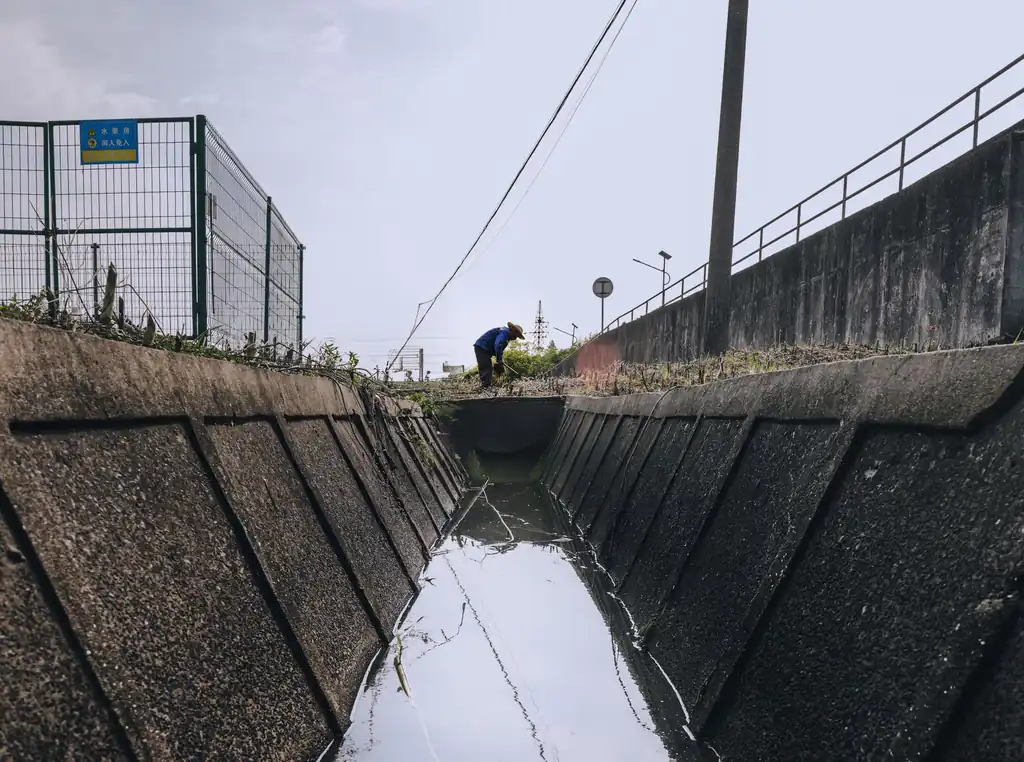
Our plumbers hold Master Plumber and Journeyman Plumber licenses through the Texas State Board of Plumbing Examiners, and every field tech carries OSHA safety certification. We run NASSCO PACP certified camera inspections, so the footage we hand you meets the standard sewer districts and real estate inspectors accept. We have pulled cast iron out of slab-on-grade homes, pier-and-beam houses, and multi-unit buildings across Brazos County, and we know how Bryan's clay soil and shifting foundations treat old pipe.
Our 1962 house had cast iron under the slab and we were snaking it twice a year. ClearLine cameraed the line, showed me the scale and two cracked joints on the monitor, and quoted a flat price that same visit. They burst the old pipe and pulled new HDPE through in one day. No more backups, and they left the yard better than they found it.
I manage three rentals in Bryan and one had sewage backing into the tub every few months. ClearLine replaced the cast iron run to the city main and gave me the camera footage and permit paperwork for my file. Tenants stopped calling. Worth every dollar, and the price matched the quote exactly.
We had a collapsed section under the driveway and two other plumbers wanted to tear out the whole slab. ClearLine excavated just the bad segment, tied in new PVC, and restored the concrete. Camera inspection before and after, and they walked me through the footage both times. Straight answers, no upselling.
Most Bryan jobs land between $4,200 and $12,500 in 2026. A short 20-foot spot repair under a slab runs $4,200 to $6,500, while a full 80- to 100-foot run to the city main with trenchless pipe bursting runs $8,000 to $12,500. Depth, driveway or slab crossings, and permit fees move the number most.
Bryan's expansive clay soil shifts with every wet and dry cycle, and that movement cracks the pipe joints first. From there, hydrogen sulfide in sewage eats the pipe wall from the inside, and pecan and oak roots push through the openings. After 50 years, most cast iron in Brazos County is thin enough that a sewer camera shows pitting and scale the whole length.
Yes, if the camera shows cracks, heavy scale, or a bellied section, or if you have had two or more backups in a year. Patching a corroded cast iron pipe is money spent twice. Replacing it with PVC pipe ends the problem for 50-plus years and clears the drain-line flag that shows up in most Bryan resale inspections.
ClearLine Sewer Solutions does, out of Bryan, Texas. We hold state plumbing licenses through the Texas State Board of Plumbing Examiners, run NASSCO PACP certified camera inspections, and handle both trenchless pipe bursting and open-cut excavation. Call (979) 340-0181 and we will camera your line the same day.
Not seeing your question? Our local team can help you understand urgency, scheduling and what to expect.
Ask the local team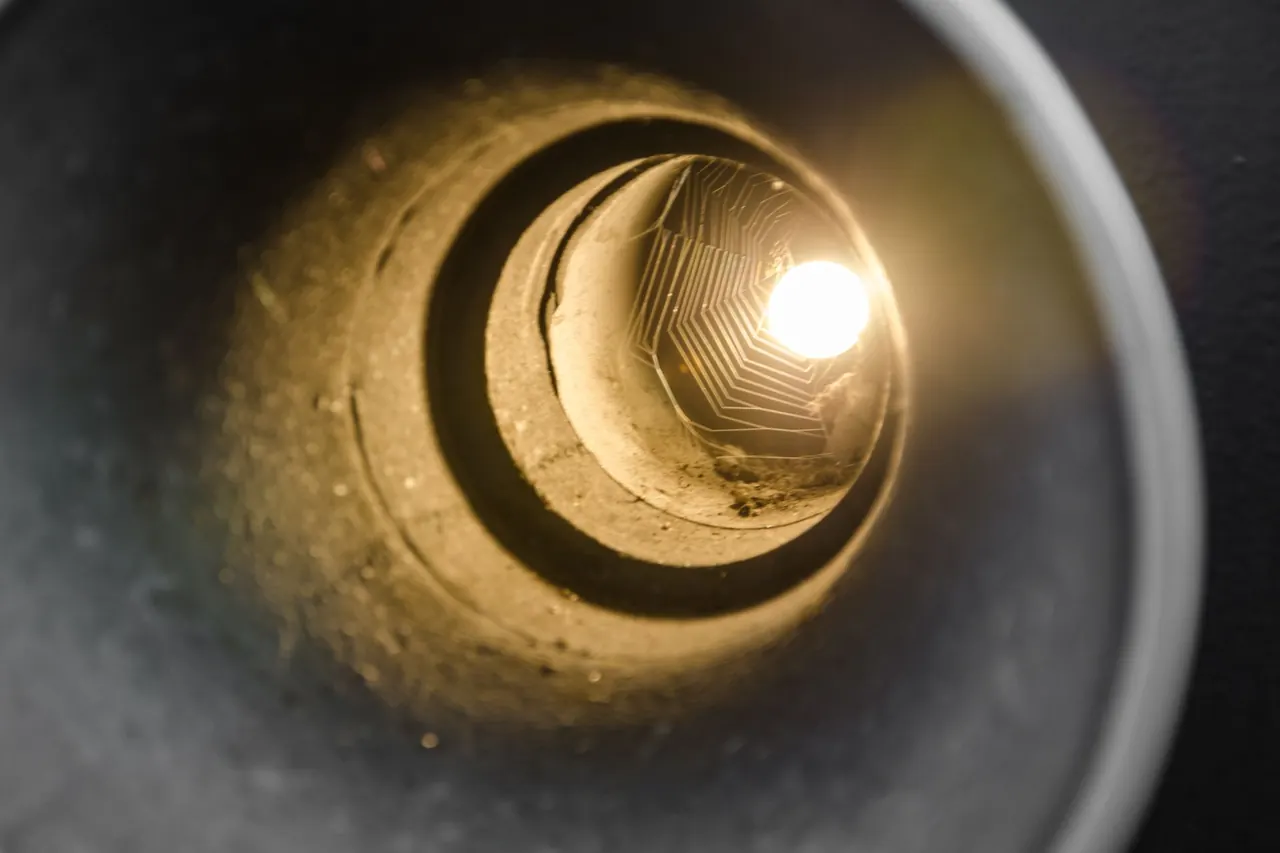
Whole-home drain line swaps for Bryan houses, from the cleanout to the city tap. If your cast iron run is failing in more than one section, we replace the full line in one permitted job instead of chasing repairs.
View service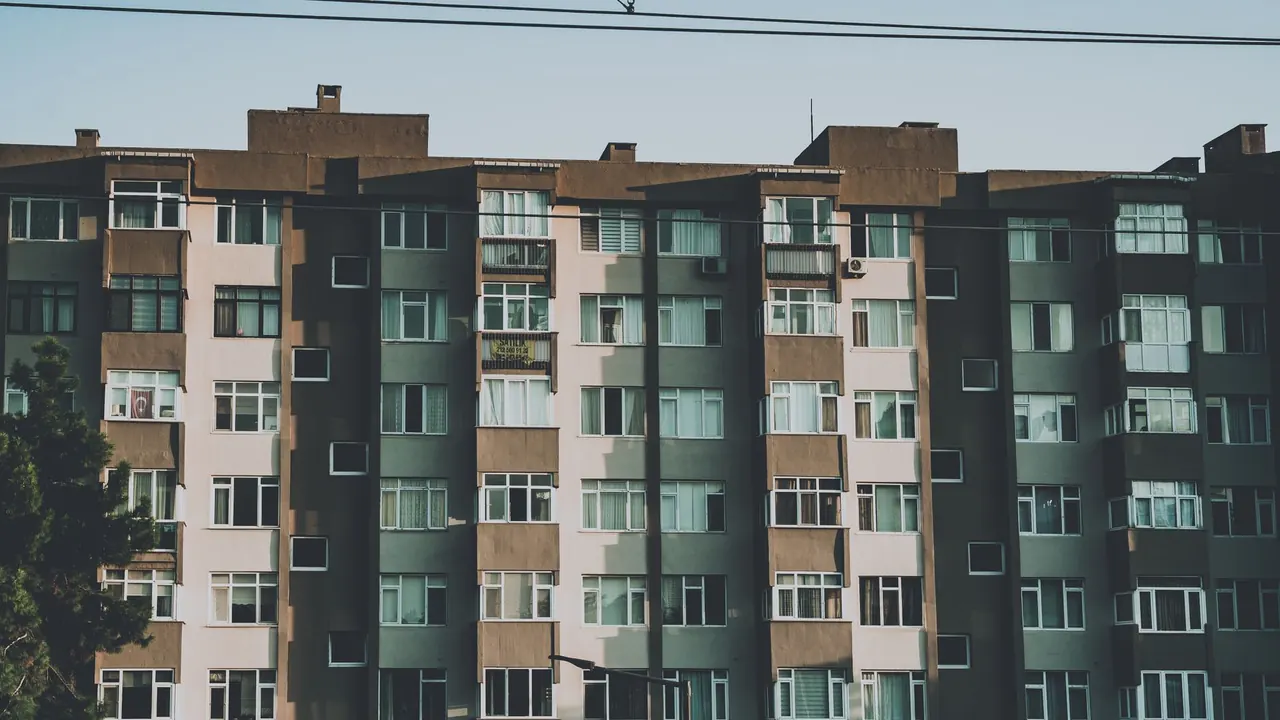
Restaurants, salons, and retail buildings in Midtown Bryan and the Medical District run heavy grease and volume through undersized cast iron. We replace those lines on off-hours so you do not lose a day of business.
View service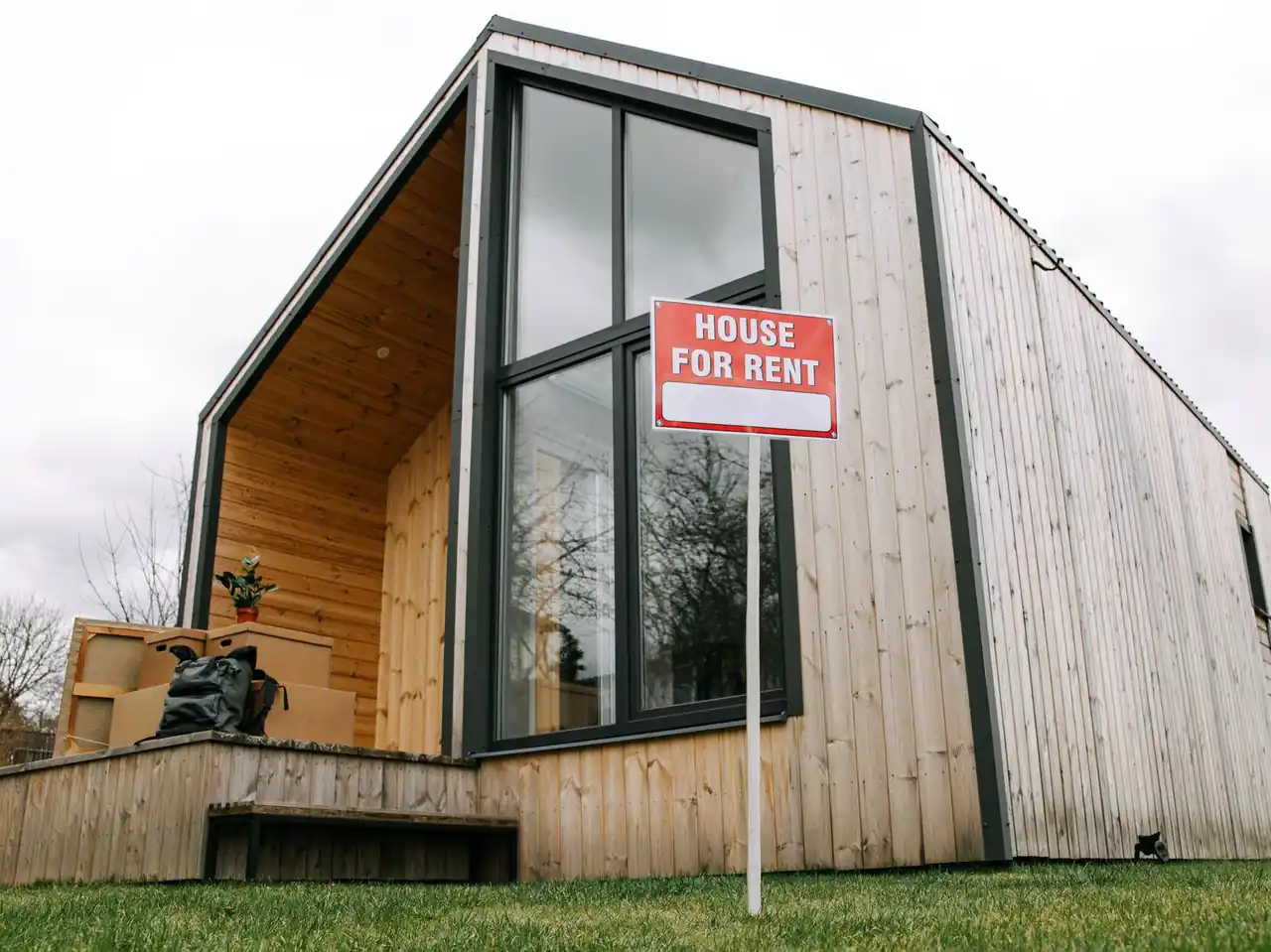
Our pipe bursting machine pulls new HDPE pipe through failed cast iron with two small access pits. This is the go-to method when the line runs under landscaping, a driveway, or a finished patio in Bryan.
View service
Open-cut excavation is still the right call for collapsed sewer pipe, deep bellies, or lines with multiple offset joints. We hand-dig near the foundation and use a mini excavator for the rest of the run.
View service
Call (979) 340-0181 and you will talk to someone who knows Bryan sewer lines, not a call center. We answer 24/7 for emergencies, and we schedule standard estimates Monday through Friday. Most camera inspections get booked within one business day.