Focused arrival windows
Useful updates and clear arrival timing.
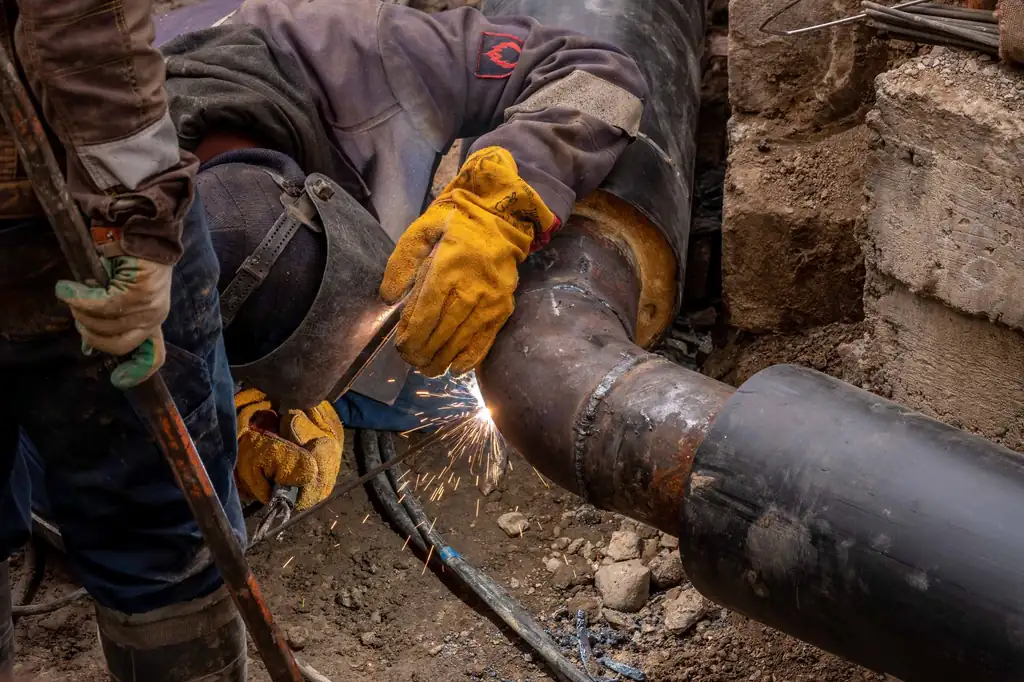
Traditional Sewer Line Replacement in Bryan means digging up the failed line and installing new pipe, and it is still the most reliable fix when a sewer has collapsed, bellied, or filled with roots. We handle open-cut sewer line replacement in Bryan for older homes, rental properties, and commercial buildings across Brazos County. If sewage is backing up or your yard is sinking along the line, call (979) 340-0181 and we will camera the pipe, mark the trench, and give you a straight price before we dig.
Useful updates and clear arrival timing.
Review the approach and price before deciding.
Equipped vehicles and respectful cleanup.
Neighbors serving neighbors with follow-through.
Every open-cut replacement we do in Bryan includes the camera diagnosis, the permit, the excavation, the new pipe, and the restoration. You get one price for the whole job instead of a stack of separate invoices. Here is what is covered.
We run a NASSCO PACP-graded camera inspection before quoting and mark the pipe route across the yard. You see the footage and the defects. This is what tells us whether you need a full replacement or a spot repair.
We pull the plumbing permit and schedule the inspection with the City of Bryan. TSBPE-licensed plumbers perform the work, and we correct anything the inspector flags before the trench is closed.
We open the trench with an excavator, shore where depth requires it, and hand-dig around utilities. The old cast iron, clay, or Orangeburg pipe comes out in sections and gets hauled off site.
We bed the trench with gravel, set new pipe at the correct fall with a laser level, and join sections with proper couplings and solvent-welded fittings. The line is pressure-tested and cameraed before backfill.
We backfill in lifts, compact with a plate compactor, and restore the surface, whether that is sod, gravel, or concrete. You get a yard that settles evenly instead of a sunken trench line six months later.
You receive a written warranty, the camera footage of the finished line, and the permit record. That documentation matters at resale, at lease renewal, and if you ever need to prove what was replaced and when.
Share what is happening and receive a clear next step from the local team.
Traditional Sewer Line Replacement in Bryan is full excavation and replacement of a failed sewer lateral, where we open a trench along the pipe run, pull out the old cast iron, clay, or Orangeburg pipe, and set new PVC or HDPE pipe on fresh gravel and backfill. It is the right call when the existing line has lost its structural integrity, when sections have collapsed, or when roots have crushed the pipe beyond what any liner can bridge. We cut the trench, remove the old pipe, set grade with a laser level, and compact the backfill so the ground settles evenly.
Bryan has a lot of housing stock from the 1950s through the 1970s, and much of it still runs on cast iron pipe or clay pipe that has corroded or cracked after decades in Brazos County's shifting clay soils. Older homes near Downtown Bryan and College Hills are the usual candidates for traditional sewer pipe replacement in Bryan, Texas, because the pipe has simply reached the end of its service life. If you are pricing traditional sewer line replacement cost in Bryan TX, the honest answer is that excavation is often the only permanent fix once the pipe is broken or collapsed.

We run a sewer camera inspection system down the line to find the break, the bellies, and the root masses, then mark the pipe route across your yard with paint and flags. You see the footage. Most inspections take 45 to 90 minutes and tell us whether you need full replacement or a spot repair.
We pull the City of Bryan plumbing permit and call for utility locates so we know where gas, water, and fiber run. Texas State Board of Plumbing Examiners (TSBPE) rules require licensed work on sewer laterals, and we handle that paperwork. Locates usually clear within two to three business days.
Our crew cuts the trench with an excavator, shoring where depth requires it, and hand-digs around utilities. We pull the old cast iron, clay, or Orangeburg pipe out in sections and haul it off. A typical residential trench runs 3 to 5 feet deep and 40 to 80 feet long, and takes one to two days to open and clear.
We bed the trench with gravel, set new PVC or HDPE pipe at the correct fall, and join sections with proper couplings and solvent-welded fittings. A laser level keeps the grade honest. We pressure-test and camera the new line before any dirt goes back in, so problems get caught while the trench is still open.
We backfill in lifts, compact with a plate compactor, and restore the surface, whether that is sod, gravel, or concrete. You get a written warranty and the camera footage of the finished line. Most full replacements wrap in three to five working days, weather permitting.
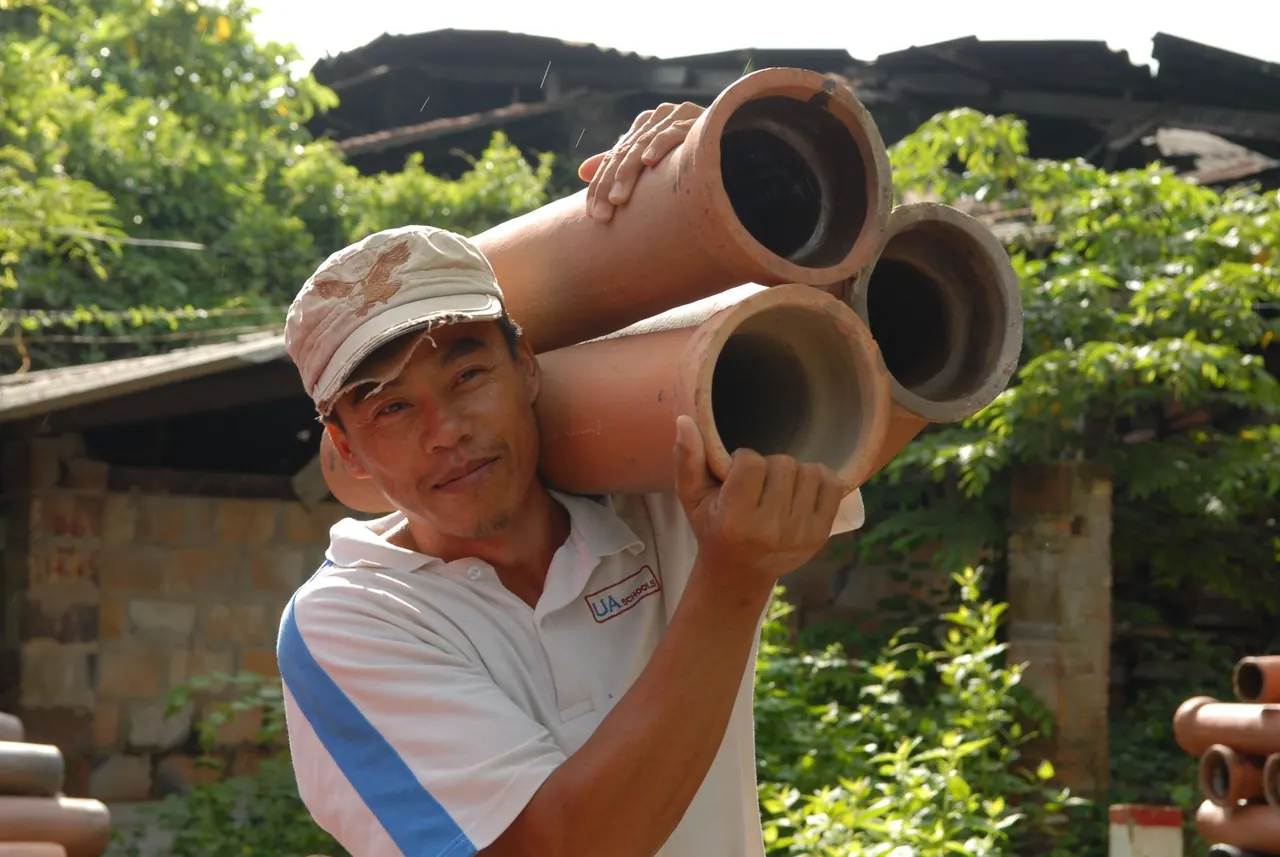
We use RIDGID and Spartan Tool cameras to grade the pipe to NASSCO PACP standards, find breaks and bellies, and record footage you can keep.
A tracked excavator opens the trench along the lateral and lifts the old pipe out in sections. It cuts a residential trench in hours instead of days.
US Jetting hydro-jetters clear grease, roots, and debris before we camera or excavate, so we can see the pipe wall and confirm the actual condition.
We set new pipe grade with a laser level so the line falls at the correct pitch. Bad grade is one of the most common reasons a replacement fails early.
We compact backfill in lifts with a plate compactor so the trench settles evenly and you do not get a sunken line across the yard six months later.
Milwaukee and DEWALT cutters, shovels, and hand trenching tools let us work around gas, water, and fiber lines without machine contact.
For qualifying lines, a HammerHead Trenchless or TT Technologies pipe bursting machine pulls new HDPE through the old pipe with only small entry pits.
We grade every inspection to the NASSCO PACP standard, which gives the pipe defects a consistent rating. That rating is what tells us whether the line can be lined, burst, or needs full excavation.
The core method: open the trench, remove the old pipe, install new PVC or HDPE on gravel bedding, set grade with a laser level, test, and backfill in compacted lifts.
When the existing pipe is intact enough to guide new HDPE, a pipe bursting machine fractures it outward and pulls the new line through. It avoids a full trench but does not suit collapsed or badly offset lines.
CIPP coats the inside of the existing pipe with epoxy resin. It works for cracks and root holes but not for collapsed or bellied pipe, so we only recommend it when the camera shows the pipe can support it.
Before backfill, we pressure-test the new line and run the camera through it. Catching a bad joint while the trench is open costs nothing; catching it after restoration costs a second excavation.
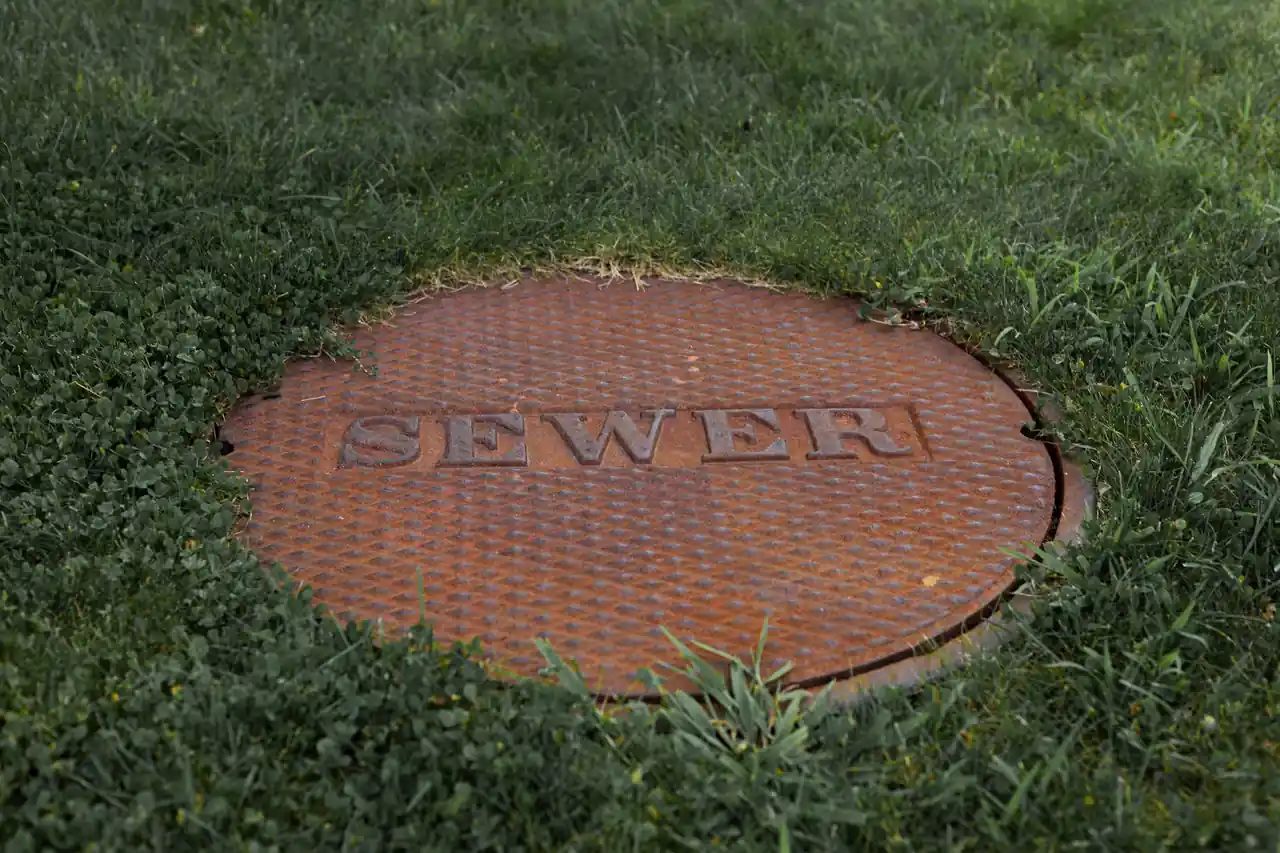
We camera the line, confirm the crack pattern and root masses, and replace the full run with PVC on new gravel bedding. The trench runs through the side yard to keep the driveway and slab intact. No more spring backups, no more annual augering, and a documented replacement you can show at resale.
We respond 24/7, stop the flow, and camera the line. If the pipe is failed, we schedule the open-cut replacement between tenants and pull the City of Bryan permit. The unit is back online fast, the tenant is made whole, and you have camera footage and permit records for your files.
We cut and remove the concrete, excavate the failed pipe, install new PVC at correct grade, and pour the driveway back to match the existing surface. The line flows, the driveway looks intentional rather than patched, and the inspection passes on the first visit.
Orangeburg cannot be repaired, so we excavate the full run and replace it with PVC sized to the home's fixtures, then restore the yard with sod. Chronic clogging stops, and the home gets a modern lateral with a warranty and a known installation date.
We phase the excavation around business hours, coordinate the City of Bryan inspection, and replace the run in sections so the building keeps operating. The lateral is replaced code-correct with minimal disruption, and the business stays open through the job.
Bryan sits on expansive clay soils that shrink and swell with our wet-dry cycles, and that movement is hard on older sewer laterals. Clay pipe and cast iron from the 1950s through the 1970s crack and shift as the soil moves, which is why traditional sewer repair Bryan calls tend to cluster in older neighborhoods like College Hills, Bryan Heights, and Midtown Bryan. Summer heat bakes the ground and winter freezes push it again, so a line that survived decades can fail in a single season. We plan trenches around driveways, slabs, and mature pecan and oak roots, and we pull the City of Bryan permit before we dig. If you are weighing traditional sewer line replacement for older homes Bryan, the deciding factor is usually the pipe material and how much of the run is already cracked. We camera the line, show you the footage, and tell you whether a spot repair will hold or whether the whole run needs to come out. Most residential jobs in ZIP codes 77801, 77802, and 77803 wrap in three to five working days, weather permitting.
Lots of 1950s and 1960s homes with original clay pipe. Root intrusion from mature trees is the most common reason we get called out here.
Older housing stock with a mix of cast iron and Orangeburg laterals. Many of these lines are at the end of their service life and need full replacement.
Newer builds where laterals sometimes run under driveways. When they fail, we cut and restore the concrete as part of the job.
A mix of rentals and owner-occupied homes. We schedule replacements between leases where possible to keep units habitable.
High-turnover rentals where backups cost rent fast. We respond 24/7 and document the work for landlords and property managers.
Soil movement cracks clay pipe and offsets joints over time. We bed new pipe in gravel so it is not sitting directly in the shifting clay.
Roots find the joints and grow into the pipe. We remove the offending roots and backfill with clean gravel to remove the invitation.
Thermal cycling stresses older pipe and can turn a small crack into a full break. We camera the line to catch it before it collapses.
Concrete over the lateral changes the excavation plan. We locate the line first and choose between tunneling and a strategic trench to limit concrete work.
A 1962 home in College Hills had original clay pipe with roots at every joint. The homeowner was augering the line twice a year and the last backup reached the laundry room floor.
We replaced 62 feet of clay pipe with new PVC on gravel bedding, set grade with a laser level, and restored the side yard with sod. The final camera pass showed a clean, correctly graded line. No backups in the year since.
Maintenance: Avoid planting trees or shrubs within 10 feet of the lateral, and have the line cameraed every three to five years. Root intrusion is easier to catch early than to clear after a backup.
A duplex in Austin's Colony had a collapsed lateral under the driveway. Sewage backed into the lower unit, and the driveway had a visible dip where the pipe had failed.
We cut and removed a 10-foot section of concrete, excavated 55 feet of failed pipe, installed new PVC at correct grade, and poured the driveway back to match. The City of Bryan inspection passed on the first visit.
Maintenance: Keep heavy vehicles off the restored section for the first 30 days while the concrete cures. Watch for new dips in the driveway, which can signal soil movement around the pipe.
A 1958 home in Bryan Heights had Orangeburg pipe that had deformed and would not clear. The homeowner had been quoted a patch job that would not have held.
We excavated the full 48-foot run, removed the deformed Orangeburg, and installed new PVC sized to the home's fixtures. The line was pressure-tested and cameraed before backfill, and the yard was restored with sod.
Maintenance: Orangeburg does not come back once it is gone, but keep an eye on the yard for soggy patches. A camera inspection every few years confirms the new line is still clear and correctly graded.
Most Bryan sewer calls come down to one of a handful of failures: roots, collapsed pipe, corrosion, or a line that was never graded right. Here is what we find and how we fix it.
Roots enter at the joints, grow into the pipe, and cause repeat backups every few months. Augering clears them temporarily, but the pipe stays cracked and the roots return stronger. We excavate the root-infested run, remove the offending roots, and install new PVC on clean gravel. Backfilling with gravel instead of the original soil removes the conditions that invited roots in the first place.
A collapsed section blocks the line completely and often shows up as a sinkhole over the lateral. Waste has nowhere to go, and backups reach the lowest drain in the house. Open-cut replacement is the fix. We remove the failed section and the pipe around it, re-set grade with a laser level, and install new pipe so the line drains on the first flush.
Cast iron scales shut from the inside, and Orangeburg pipe deforms and collapses with age. Both cause chronic clogs and eventually full blockages that no amount of hydro-jetting will clear. We replace the full run with PVC sized to your home's flow. Once the old pipe is out, the chronic clogging stops because the interior wall is smooth and the grade is correct.
Backups are a health hazard, not just an inconvenience. Contaminated water reaches tubs, showers, and floors, and the cleanup cost climbs the longer it sits. We respond 24/7, stop the flow, and camera the line to find the cause. If the pipe is failed, we stage the replacement immediately and get your drains working again.
A leaking or broken lateral saturates the soil along the pipe run. The ground sinks, grass dies in a line, and the leak keeps feeding the problem until the pipe is replaced. We locate the leak with a camera, excavate the failed section, and install new pipe with proper bedding. Backfill is compacted in lifts so the surface settles evenly after restoration.
$4,500 - $12,000 depending on length, depth, and surface restoration
Typical 2026 pricing for traditional sewer line replacement in Bryan runs $4,500 to $12,000 for a residential lateral, depending on length, depth, and what sits over the trench. A short run under grass sits near the low end; a longer line under a driveway or slab pushes toward the top. Permit fees, concrete removal, and utility conflicts add to the number. We camera the line first, show you the footage, and give you a written price before we dig. No lowball estimate that grows once the excavator is in the ground.
You are paying for a new pipe with correct grade, a permitted and inspected installation, and a warranty you can hand to a buyer or tenant. A patch that fails in two years costs more than doing it once, properly.
Most Bryan residential laterals run 40 to 80 feet from the house to the city main. Every additional foot adds pipe, gravel, labor, and restoration, so a 80-foot run costs meaningfully more than a 40-foot one.
Deeper lines need more excavation, shoring, and backfill. A line 5 feet down takes longer to open and close safely than one at 3 feet, and the labor difference shows up in the price.
Grass and gravel restore cheaply. Concrete driveways, patios, and slabs require cutting, removal, and a new pour, which adds cost but also gives you a clean finished surface.
Replacing clay pipe or cast iron is straightforward once the trench is open. Orangeburg and badly collapsed lines can require more careful removal and additional bedding to stabilize the new pipe.
Gas, water, and fiber lines crossing the trench mean hand-digging around them instead of machine work. Locates tell us what is down there before we start, and we plan the trench around it.
The City of Bryan plumbing permit and inspection are part of the job. We include the fee in the written price so there is no separate invoice after the work is done.
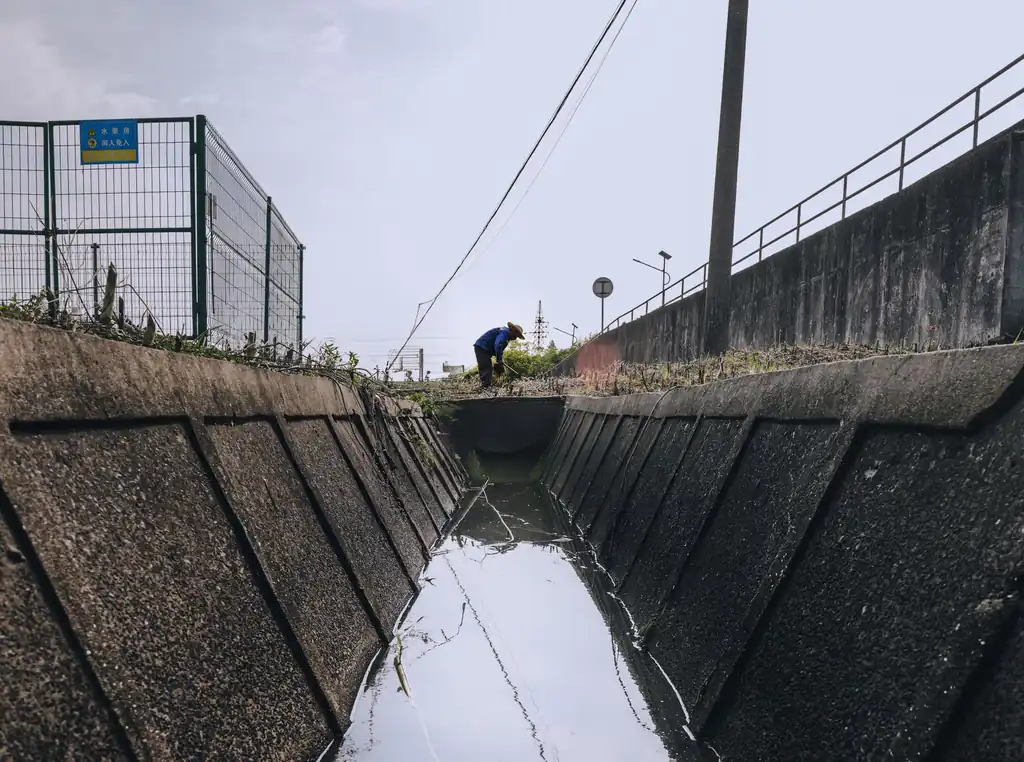
Our 1962 house had clay pipe that finally gave out, roots everywhere. ClearLine cameraed it, showed me the cracks on the screen, and quoted the job the same day. They trenched 62 feet across the side yard, set new PVC, and had the sod back down in four days. No backups since, and the price matched the quote.
I manage two rentals near Midtown and one had sewage backing into the tub on a Sunday. They came out, stopped it, and scheduled the open-cut replacement between tenants. They sent me camera footage of the new line and the permit paperwork. That documentation made the next lease signing easy.
We had a duplex with a collapsed lateral under the driveway. ClearLine cut the concrete, replaced 55 feet of pipe, and poured the driveway back so it looked like nothing happened. Three days of work, inspection passed first time, and they hauled off the old cast iron. Straight pricing, no surprises.
Most residential open-cut replacements in Bryan run $4,500 to $12,000 in 2026, depending on length, depth, and surface restoration. A short 40-foot run under grass sits near the low end; a 80-foot line under a driveway or slab pushes toward the top. Permit fees, concrete removal, and utility conflicts add to the number. We camera the line first and give you a written price before we dig, so you are not guessing.
Traditional replacement opens a trench along the pipe and installs new PVC or HDPE; trenchless methods pull or burst new pipe through the old line with minimal digging. Trenchless works well when the existing pipe is intact enough to guide the new one and the run is straight. Traditional wins when the pipe has collapsed, when there are multiple breaks, or when the line is badly bellied. We camera the line and tell you which one your pipe actually supports.
Plan on three to five working days for a typical residential replacement, weather permitting. Day one is camera, locate, and permit; days two and three are trenching and pipe removal; day four is new pipe, testing, and backfill; day five is restoration and final camera pass. Deeper lines, concrete over the trench, or heavy root masses can add a day or two. We give you a schedule up front and keep you posted.
ClearLine Sewer Solutions does, out of Bryan, TX, serving Brazos County with licensed TSBPE plumbers and NASSCO PACP-certified camera inspections. We handle residential and commercial laterals, pull City of Bryan permits, and restore the surface after backfill. If you are searching for open-cut sewer line replacement near me Bryan TX, call (979) 340-0181 and we will camera the line and quote the job the same week.
Not seeing your question? Our local team can help you understand urgency, scheduling and what to expect.
Ask the local team
Most of our traditional sewer line replacement work is on single-family homes in Bryan, from 1950s bungalows near Downtown to newer builds in Austin's Colony. We size the new pipe to the house's fixtures and restore the yard when we are done.
View service
Restaurants, retail, and office buildings in Bryan often need larger-diameter laterals replaced on a schedule that keeps the doors open. We phase the excavation, work around business hours, and coordinate with the City of Bryan on permits and inspections.
View service
When your pipe can support it, trenchless pipe bursting or CIPP lining avoids a full trench across the yard. We camera the line first and tell you honestly whether trenchless will hold up or whether open-cut replacement is the better long-term call.
View service
We break the price into pipe, labor, permit, and restoration so you can see where the money goes. Bryan jobs typically land between $4,500 and $12,000 depending on length, depth, and what sits over the trench.
View service
Call (979) 340-0181 and you will talk to someone who knows Bryan sewer lines, not a call center. We answer 24/7 for emergencies, and we schedule standard estimates Monday through Friday. Most camera inspections get booked within one business day.