Focused arrival windows
Useful updates and clear arrival timing.
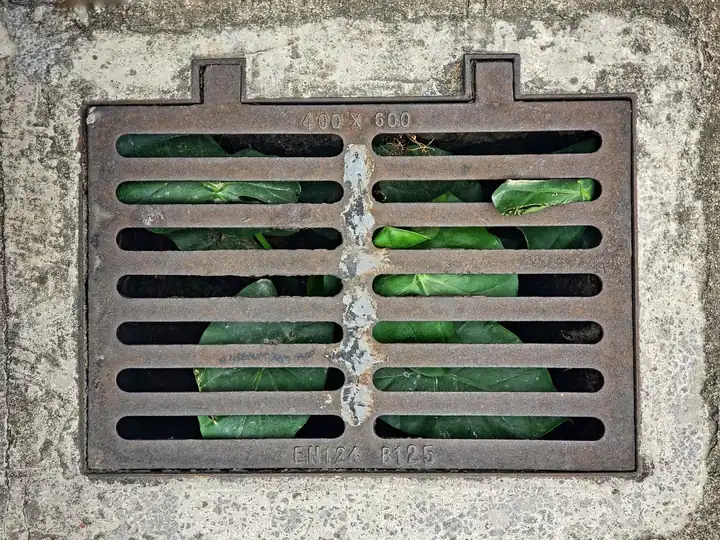
Sewer Pipe Replacement Cost Bryan TX depends on pipe length, depth, material, and access. We run a camera down the line, show you the footage, and hand you a written number before we dig. Whether it's a root-choked clay line in College Hills or a collapsed cast iron pipe near Downtown Bryan, our licensed plumbers replace it right and warranty the work.
Useful updates and clear arrival timing.
Review the approach and price before deciding.
Equipped vehicles and respectful cleanup.
Neighbors serving neighbors with follow-through.
Every replacement quote covers the work from the city tap to the house connection. We list what is included up front so there are no add-ons after the trench is open. If something on your property needs extra work, like a driveway cut or a slab tunnel, it shows on the quote before you approve it.
We record the full run with a sewer camera inspection system, mark depth and defects, and give you the video file. You see exactly what we see before you spend a dollar on pipe.
We pull the plumbing permit through the Texas State Board of Plumbing Examiners, schedule the inspection, and meet the inspector on site. Permit fees are built into your quote, not billed later.
Schedule 40 PVC for open-cut work or HDPE for pipe bursting, plus couplings, fittings, and the tie-in at both ends. We set slope with a laser level and bed the pipe in gravel before backfill.
Trenching with an excavator or hand digging near roots and utilities, shoring where required, gravel bedding, and backfill compacted in lifts with a plate compactor so the ground settles evenly.
Sod replacement over the trench, concrete patching where we cut a driveway or walk, and cleanup of the site. We haul off the old pipe and spoil so you are not left with a pile in the yard.
We camera the new line, confirm flow and slope, and hand you the final video plus written warranty on pipe, fittings, and workmanship. Keep both for resale or future service.
Share what is happening and receive a clear next step from the local team.
Sewer Pipe Replacement Cost Bryan TX is the total price to remove a failed or failing sewer line and install a new one that meets current plumbing code. That number covers the camera inspection, permits, excavation or trenchless pulling, the new PVC or HDPE pipe, couplings, gravel and backfill, compaction, and restoration of the ground above. It is not a patch job. We replace the full run from the city tap to the house connection so you are not paying twice for the same problem two years later.
Most Bryan homeowners call us after a second or third backup. The line is usually original to the house: Orangeburg in 1950s builds, cast iron under older slabs, or clay pipe that roots have been working on for decades. If you are pricing a sewer line replacement price Bryan TX, ask for the camera footage first. We mark the depth and length on the video, then quote the job by the foot so you can see exactly where the money goes.
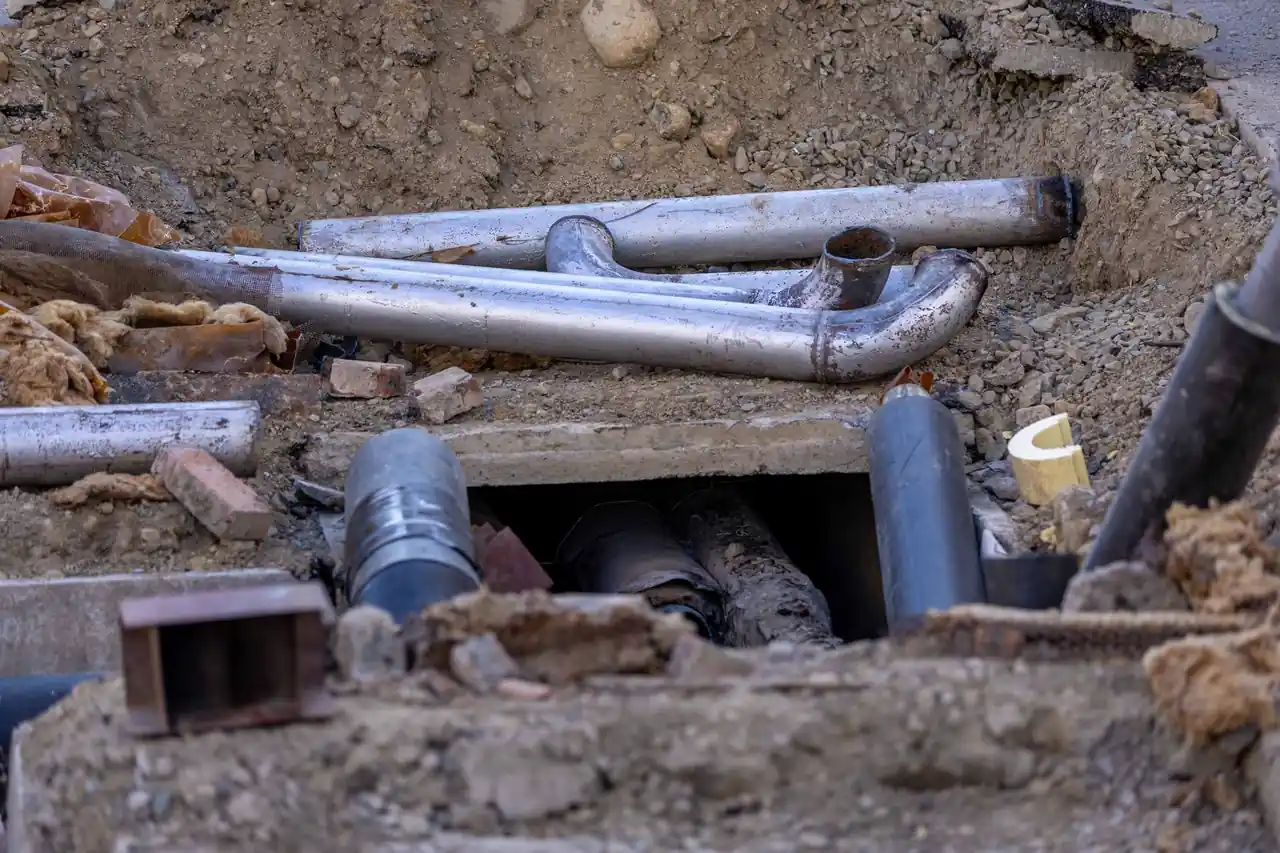
We push a sewer camera inspection system through the cleanout and record the full run. You watch the screen with us: roots, cracks, bellies, or a collapsed section. This takes 30 to 45 minutes and tells us the pipe material, depth, and where the problem actually starts.
We measure the run and price it by the foot, including permits, pipe, backfill, and restoration. You get the number in writing the same day. If trenchless pipe bursting will work, we quote that alongside traditional excavation so you can compare.
We pull the plumbing permit through the Texas State Board of Plumbing Examiners and call 811 for utility locates. That usually takes two to three business days. We schedule your dig date once locates are marked so we are not guessing where the gas and fiber lines run.
Our crew arrives with an excavator or trenchless drilling rig, depending on the plan. We cut out the old pipe, set new PVC or pull HDPE through, tie in at both ends, and set slope with a laser level. Most residential runs take one to two days.
We run water through the new line, camera it again, and confirm flow before backfilling. Gravel goes in lifts, then we compact with a plate compactor and restore sod or concrete. You get the final camera video and the warranty paperwork before we pull off the street.
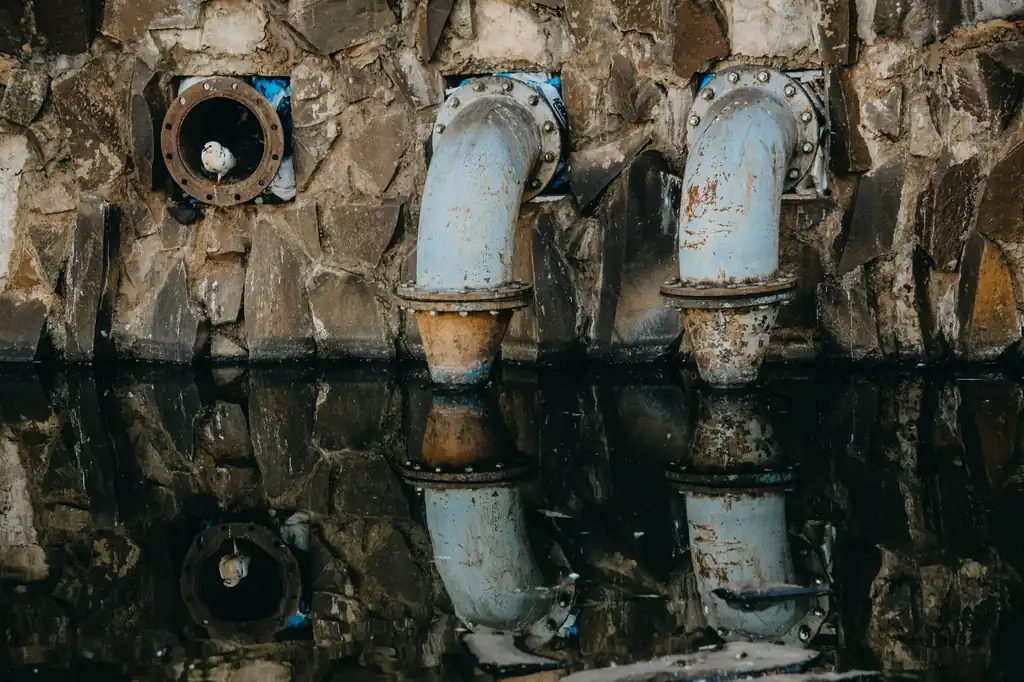
Records the full run, measures depth, and documents defects. We use it before every quote and again after the new line is in.
Pulls a bursting head through the old pipe while new HDPE follows behind. Two small pits replace a 40-foot trench.
Clears roots, grease, and scale so the camera can see the pipe wall. We use it to confirm flow before recommending replacement.
Opens the trench for traditional replacement. We switch to hand tools near gas, fiber, and irrigation lines.
Sets and verifies slope on the new pipe. Correct fall is what keeps waste moving and prevents bellies.
Compacts backfill in lifts so the trench does not settle and crack the sod or concrete above it.
We pull new HDPE through the existing pipe using a bursting head. The old pipe fractures outward and stays in the ground as a sleeve. Best for clay, cast iron, and PVC runs that are still round and correctly graded.
We dig the full trench, remove the old pipe, bed new PVC in gravel, and compact in lifts. This is the method for collapsed pipe, bad grade, and shallow runs where bursting will not work.
Our camera reports follow the NASSCO PACP standard, which grades each defect by type and severity. That gives you a document your insurer, buyer, or lender can read without a second opinion.
For lines with cracks and root intrusion but no collapse, we can install a CIPP liner coated in epoxy resin. We compare lining cost against replacement and tell you which one fits your pipe.
We camera the line, mark root intrusion and offset joints, and quote a full replacement with PVC. We hand dig near the root zone to protect the trees and re-set the beds when we finish. New root-resistant line, no more spring snaking, and the landscaping looks untouched. Most jobs like this finish in two days.
We schedule the camera inspection immediately, quote the replacement by the foot, and book the dig between tenants. The crew works a full day and tests the line before the new lease starts. The unit is ready before move-in, the owner has documentation for the file, and the fixed quote keeps the budget predictable.
We review the inspector's video, confirm the defects, and quote trenchless pipe bursting to avoid cutting the new driveway. Permits and locates are handled while the sale is in option period. The line is replaced and re-scoped, the buyer's plumber signs off, and closing stays on schedule.
We camera each branch, identify the shared failure point, and phase the replacement so the kitchen keeps operating. Work happens after close, and we separate the grease line from the sanitary run. The building passes inspection, the kitchen never closes, and the owner has a documented line condition for the next tenant.
Bryan sits on expansive clay soil that shrinks and swells with our wet and dry cycles. That movement is hard on sewer pipe, especially older clay and cast iron runs, and it is why we see so many offset joints and bellies in neighborhoods built before 1980. Summer heat bakes the ground and drives roots toward the moisture in the line. Fall and winter bring the opposite problem: heavy rain saturates the soil, and a cracked pipe that was draining fine in August starts backing up in October. If you are pricing an average sewer line replacement cost in Bryan Texas, plan for the season. We do most replacements in fall and spring when the ground is workable and yards recover faster. Permits go through the Texas State Board of Plumbing Examiners, and Brazos County inspectors want to see proper bedding, correct slope, and a passing camera test before sign-off. We handle that process on every job, and we know which older subdivisions have clay lines, which have cast iron under slabs, and where the city tap connections tend to fail.
Many homes here date to the 1950s and 1960s with original clay or Orangeburg lines. Root intrusion from mature trees is the most common failure we see.
Newer PVC lines, but soil movement still causes offset joints. We camera these before quoting because the failure is often isolated to one section.
Older commercial and mixed-use buildings with shared runs. Replacements here are phased around business hours and often need after-hours scheduling.
Established lots with large pecan trees and shallow clay lines. We hand dig near the root zone to protect the trees and the irrigation.
Causes offset joints and bellies in older pipe. We set new bedding in gravel and compact in lifts to isolate the pipe from soil movement.
Roots enter through cracked joints and grow into the pipe. Replacing with root-resistant PVC or HDPE solves it permanently instead of annual snaking.
Small leaks become visible in late summer when the soil pulls away from foundations. We schedule inspections before the fall rain season to catch failures early.
Saturated soil exposes cracked pipe fast. If your line backed up last October, the pipe is already compromised and a camera inspection will show where.
A 1959 home with original clay pipe and two root balls in the line. The owner was snaking it every spring and had standing water in the yard after each backup.
We replaced 68 feet of clay with schedule 40 PVC, bedded in gravel and compacted in lifts. The final camera showed clean flow with no bellies. No backups in two years.
Maintenance: Avoid pouring grease or wipes down the drain. Schedule a camera inspection every three to five years, especially if you have large trees near the line.
A Copperfield home with a failed cast iron line running under a new concrete driveway. Two other plumbers quoted a full driveway cut and replacement.
We used pipe bursting to pull 54 feet of HDPE through the old cast iron with two small pits at either end. The driveway stayed intact. The job finished in one day.
Maintenance: Keep the two access pits marked on your property file. If you ever add a fence or pour new concrete, you will know where the line runs.
A duplex near the Texas A&M Area with Orangeburg pipe that had deformed and lost its round shape. Sewage was backing into a downstairs tub between tenants.
We replaced 72 feet of Orangeburg with PVC, tied in both units, and passed inspection before the new lease started. The owner received the final camera video and warranty paperwork.
Maintenance: Have tenants report slow drains immediately. A camera inspection at each turnover catches problems before they become emergency calls.
Most of the calls we get start with the same three symptoms. Here is what is actually happening underground and how we fix it.
Snaking clears the blockage but leaves the cause in place. Roots and offset joints keep catching waste, so you pay for the same call over and over. We camera the line to find the actual failure point. If roots are entering through cracked joints along the run, we replace the pipe with root-resistant PVC or HDPE instead of cutting roots again. One job, done.
That smell means raw waste is soaking into the soil through a crack or a separated joint. It is a health issue and it will get worse with every flush. We locate the break with the camera, isolate it, and replace the damaged section or the full run. We also check the cleanout and the city tap connection, because a failed joint at either end causes the same symptom.
When every drain is slow, the blockage is in the main line, not a single fixture. Waiting usually leads to a full backup, and sometimes to water under a slab. A camera inspection tells us whether the line is bellied, scaled with cast iron rust, or blocked by roots. We hydro-jet to confirm flow, then quote replacement if the pipe condition will not hold. You get the footage and the number the same day.
A collapse stops flow completely. Cutting the driveway is expensive, and homeowners often delay, which leads to emergency sewage backup inside the house. If the pipe qualifies, we use trenchless pipe bursting to pull new HDPE through the old line with two small pits instead of a full driveway cut. When bursting will not work, we cut and patch the concrete and quote both options.
$4,500 - $15,000 depending on length, depth, material, and method
Typical 2026 pricing in this area runs $4,500 to $12,000 for a residential replacement, with trenchless jobs often between $6,000 and $15,000. The number depends on length, depth, material, access, and restoration. We quote by the foot after the camera inspection, so you can see exactly where the money goes. There is no charge for the estimate, and the number we give you is the number you pay unless you approve new work. If you are comparing a sewer line replacement price Bryan TX from another company, ask whether permits, restoration, and the final camera test are included. Ours are.
A replacement done right lasts 50 years or more. Compared to repeat snaking, emergency calls, and water damage, the planned job usually costs less over five years and adds a documented, code-correct line to your home's file.
Most Bryan homes have 50 to 90 feet between the house and the city tap. Price is quoted per foot, so length is the single biggest driver. We measure from the camera footage, not an estimate.
Lines at three feet are straightforward. Deeper runs need shoring and more labor. If the pipe sits under a slab, tunneling adds time and cost, and we quote that separately.
Removing cast iron and Orangeburg takes more labor than PVC. New pipe is almost always schedule 40 PVC or HDPE. The material you have coming out affects the price more than the material going in.
Driveways, slabs, mature trees, and irrigation lines all change the plan. Trenchless pipe bursting avoids concrete cuts and often lowers the total cost by thousands on the right job.
Sod replacement is included in our quotes. Concrete cutting and patching is quoted when we cross a driveway or walk. We list it up front so there is no surprise after the trench is open.
Bryan replacements require a plumbing permit and inspection through the Texas State Board of Plumbing Examiners. Fees are fixed and included in your quote, not billed later.
ClearLine Sewer Solutions is a state-licensed plumbing contractor working out of Bryan. Our technicians hold Master Plumber and Journeyman Plumber licenses through the Texas State Board of Plumbing Examiners, and we carry NASSCO PACP certification for sewer camera inspection. That matters because a camera report is only as good as the person reading it. We have replaced clay, cast iron, Orangeburg, and PVC lines under slabs, driveways, and mature pecan trees across Brazos County. Every job is permitted, inspected where required, and backed by a written warranty on materials and labor.
Our 1958 house had the original clay line and we were snaking it every spring. ClearLine ran a camera, showed us three root balls and an offset joint, and quoted 68 feet of replacement. They had it done in a day and a half and re-sodded the strip. No backups since, and the price matched the quote to the dollar.
I manage four rentals and one had sewage backing into the tub on a Sunday. They came out same day, confirmed a collapsed section with the camera, and had a crew replacing the line by Tuesday. They worked around my tenant's schedule and sent me the final video and warranty paperwork for my files.
We were selling and the buyer's inspector flagged the sewer scope. ClearLine quoted trenchless pipe bursting instead of tearing up our new driveway. It saved us about 30 feet of concrete and closed on time. The buyer's plumber re-scoped it and it passed clean.
Most residential replacements in Bryan run $4,500 to $12,000 in 2026, with trenchless jobs often landing between $6,000 and $15,000. The spread comes down to length, depth, pipe material, and whether we cross a driveway or slab. A 60-foot clay line at three feet deep is a very different job than 90 feet of cast iron under a concrete drive. We quote by the foot after the camera inspection, so you get a real number, not a range.
Five things move the price: run length, burial depth, pipe material, access, and restoration. Deeper lines need shoring and more labor. Cast iron and Orangeburg cost more to remove than PVC. A line under a driveway or slab adds concrete cutting and repair. Mature trees mean hand digging near roots. Permits and locates add a fixed amount. We walk through each factor on your quote so you can see where the money goes.
Standard homeowners insurance usually excludes sewer line replacement because it is considered wear and tear, not a sudden event. Some policies cover the sewage backup damage inside the house, not the pipe itself. A separate service line endorsement or home warranty may cover part of the replacement. We document the failure with camera footage and photos so your claim has what it needs, and we work directly with adjusters when a covered event is involved.
Call (979) 340-0181 and we schedule a camera inspection, usually within two business days. We record the full run, measure the length and depth, and email you a written quote the same day. There is no charge for the estimate itself. If you have a recent scope from a home inspector, send it over and we can often quote from that video without a second trip.
Not seeing your question? Our local team can help you understand urgency, scheduling and what to expect.
Ask the local teamSingle-family homes make up most of our replacement work in Bryan. We size the new line to the fixture count, set slope correctly, and restore the yard so your Sewer Pipe Replacement Cost Bryan TX quote covers the whole job.
View serviceRestaurants, shops, and offices on Bryan's commercial corridors need replacements scheduled around business hours. We phase the work, keep grease lines separated, and quote commercial Sewer Pipe Replacement Cost Bryan TX with after-hours options.
View service
Pipe bursting pulls new HDPE through the old pipe with two small pits. It is the fastest way to replace a line under a driveway or mature landscaping, and it often lowers the total Sewer Pipe Replacement Cost Bryan TX by avoiding concrete repair.
View serviceOpen-cut excavation is still the right call for collapsed pipe, bad grade, or shallow runs. We dig a clean trench, replace the full line, and compact the backfill so the ground settles evenly. It is the most predictable option for Sewer Pipe Replacement Cost Bryan TX.
View serviceCall (979) 340-0181 and you will talk to someone who knows Bryan sewer lines, not a call center. We answer 24/7 for emergencies, and we schedule standard estimates Monday through Friday. Most camera inspections get booked within one business day.