Focused arrival windows
Useful updates and clear arrival timing.
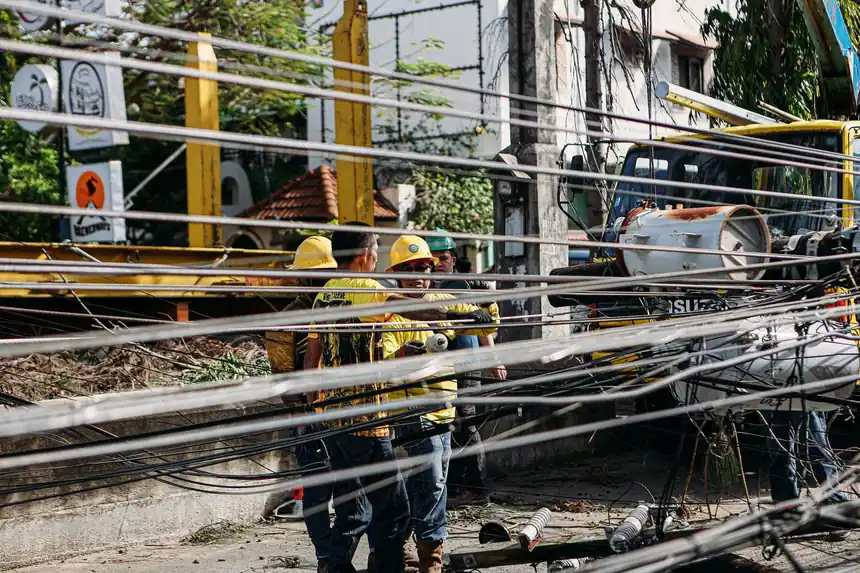
Cured-in-Place Pipe Lining vs Replacement Bryan TX comes down to one thing: what a sewer camera actually sees inside your line. We run that camera through every lateral before we quote a number, then tell you straight whether CIPP lining vs sewer replacement in Bryan, Texas is the smarter call for your pipe, your yard, and your budget. Same-day inspections across Brazos County.
Useful updates and clear arrival timing.
Review the approach and price before deciding.
Equipped vehicles and respectful cleanup.
Neighbors serving neighbors with follow-through.
Every job starts with video and ends with a flow test. What changes is the method in the middle. Here is what is included on both paths, and what we add only when your line actually needs it.
We record the entire lateral with a sewer camera inspection system and grade every defect to NASSCO PACP standards. You get the footage and the findings before any price is discussed.
Roots, grease, and scale come out with a hydro-jetter before lining or replacement. A clean, round bore is what makes a liner bond and what lets new pipe slide into place.
You get both numbers from one visit: the CIPP lining price and the open-cut or pipe bursting replacement price. No second trip, no second inspection fee.
We pull the required Bryan and Brazos County permits and build to current plumbing code. That record matters when you sell the house.
On excavation jobs we compact gravel and backfill in lifts and restore the surface. On lining jobs we restore the single access pit and leave the rest of your yard untouched.
We run a flow test, hand you the after video, and put the warranty in writing: 10 years on lining workmanship, 15 years on installed pipe.
Share what is happening and receive a clear next step from the local team.
Cured-in-Place Pipe Lining vs Replacement Bryan TX is a repair decision that compares two proven methods: installing an epoxy-saturated pipe liner (CIPP) inside the existing pipe, or excavating and pulling the old line out for new PVC pipe. CIPP lining rebuilds the pipe from the inside out, so a cracked sewer pipe or corroded cast iron pipe gets a new structural wall without a trench through your lawn. Replacement removes the failed pipe entirely, which is the only correct answer when the line has collapsed or the grade is wrong.
Most Bryan homeowners call us after a sewage backup, a soggy patch in the yard, or a slab leak they cannot explain. In older neighborhoods, deteriorated clay pipe and Orangeburg pipe failure are the usual culprits, and root intrusion shows up in nearly every line we camera west of Downtown Bryan. If you are weighing cured-in-place pipe lining vs replacement cost in Bryan TX, the honest answer starts with a sewer camera inspection system, not a sales pitch.
We feed a sewer camera inspection system through the cleanout and record the whole run. You watch the monitor with us. We mark the distance of every crack, root mass, and offset so the decision is based on measurements, not opinion. Takes 30 to 45 minutes.
Before any liner goes in, the pipe has to be clean and round. We hydro-jet the line with US Jetting equipment to cut out roots and grease, then re-camera it. A liner bonded over debris will fail early, so this step is not optional.
For CIPP, we pull an epoxy-saturated liner into place, inflate it, and cure it with heat or ambient cure, usually four to six hours. For replacement, we dig the trench or use a pipe bursting machine with HammerHead Trenchless tooling to pull HDPE pipe through the old line.
We reconnect every branch with pipe couplings and Inserta Tee fittings, then verify fall with a laser level. A line that holds water because of a bad grade will back up again in a year, so we check slope before we backfill anything.
We compact gravel and backfill in lifts with a compactor, restore the surface, and run a final flow test. You get the after video and a written warranty on the work. Most residential jobs wrap in one to three days.
Records the full lateral and grades every crack, root mass, and offset to NASSCO PACP standards so the lining vs replacement decision is based on evidence.
Cuts roots and grease out of the line at up to 4,000 psi before lining or replacement, so the new pipe or liner bonds to a clean, round bore.
Splits the old pipe outward while pulling new HDPE pipe behind it, replacing collapsed or root-damaged lines without a full open trench.
Bores a guided path for new pipe on longer runs and under hard surfaces where open-cut is not practical.
Used for open-cut replacement when the pipe has collapsed or the grade is wrong and no trenchless method will fix it.
Verifies fall on the new line and compacts gravel and backfill in lifts so the ground settles properly after excavation.
Pipe cutters, inspection reels, and locating equipment used daily for accurate cuts and clean reconnections.
An epoxy-saturated liner is pulled into the cleaned pipe, inflated, and cured with heat or ambient cure for four to six hours. The result is a seamless structural wall with a 50-year design life that seals cracks and joints.
A bursting head is pulled through the old pipe, splitting it outward while new HDPE pipe is dragged into the void behind it. It replaces the full run at the same or larger diameter without a continuous trench.
The honest answer for collapsed sewer pipe, bad grade, or Orangeburg pipe failure. We excavate, remove the failed pipe, install new PVC pipe or HDPE pipe, and restore the surface.
Every inspection is graded to the national PACP standard, which gives you an objective rating of the pipe rather than a verbal opinion. It is the same standard municipalities use.
High-pressure water and cutting nozzles clear root intrusion and grease before any repair. Skipping this step is the most common reason liners fail early.
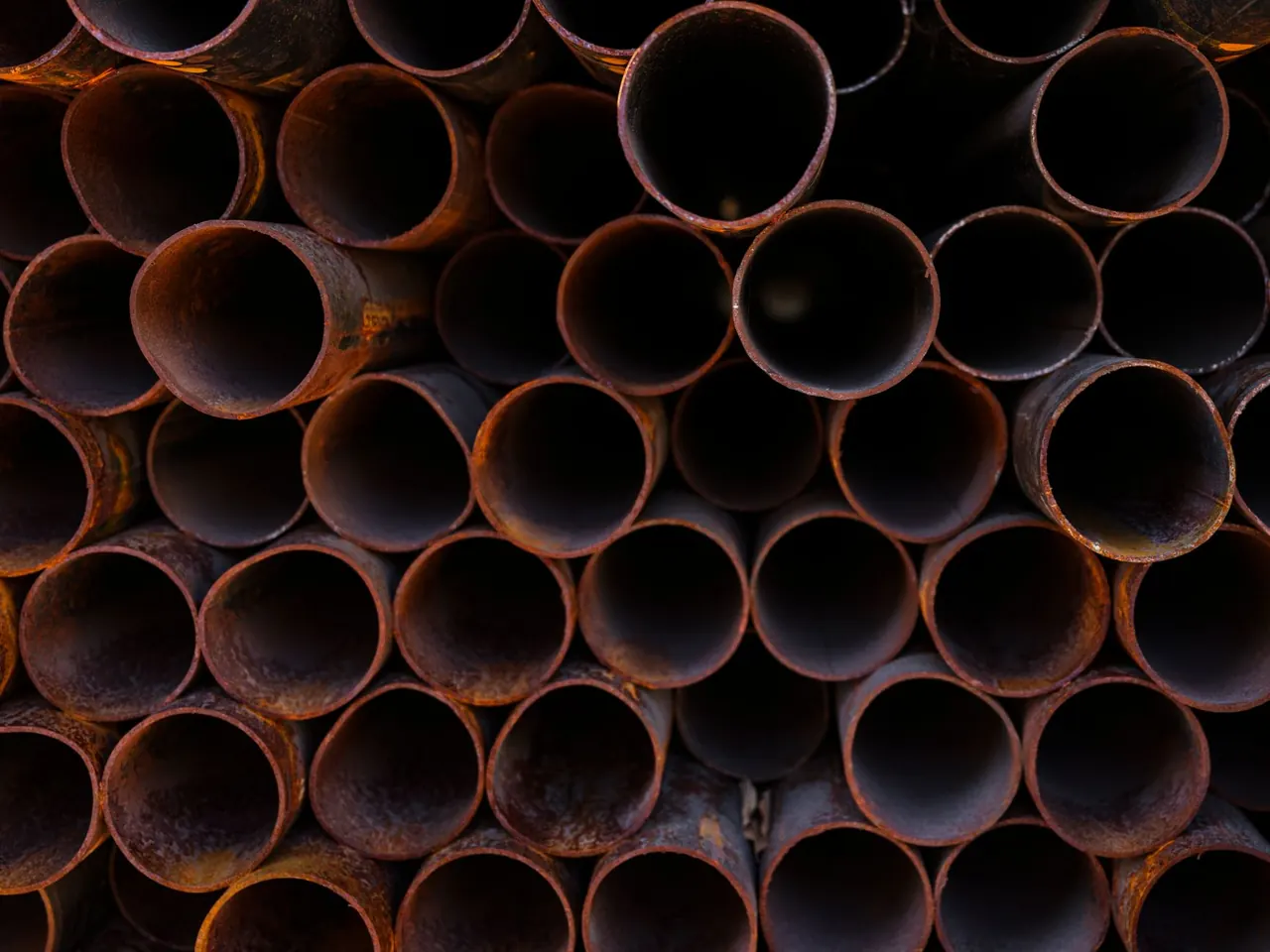
We hydro-jet the roots, camera the segments, and line the run if the pipe is still aligned. One access pit at the cleanout, no trench through the root zone. Backups stop, the trees stay, and the homeowner avoids a five-figure excavation bill. Typical lining job runs one to two days.
Collapsed pipe cannot be lined, so we use a pipe bursting machine with HammerHead Trenchless tooling to pull new HDPE pipe through the old run without cutting the driveway. New pipe, correct grade, and the driveway stays intact. Most bursting jobs finish in two to three days.
We camera both laterals, quote lining and replacement, and schedule the work between tenant move-outs so no unit loses drains for more than a day. Documented repair with permits, a 10-year lining warranty, and no lost rent from a multi-day open-cut job.
Trenchless lining or bursting avoids breaking out the slab. We camera to confirm the pipe is a lining candidate, then cure the liner in place. The leak stops without foundation work, which usually saves tens of thousands compared to open-cut under a slab.
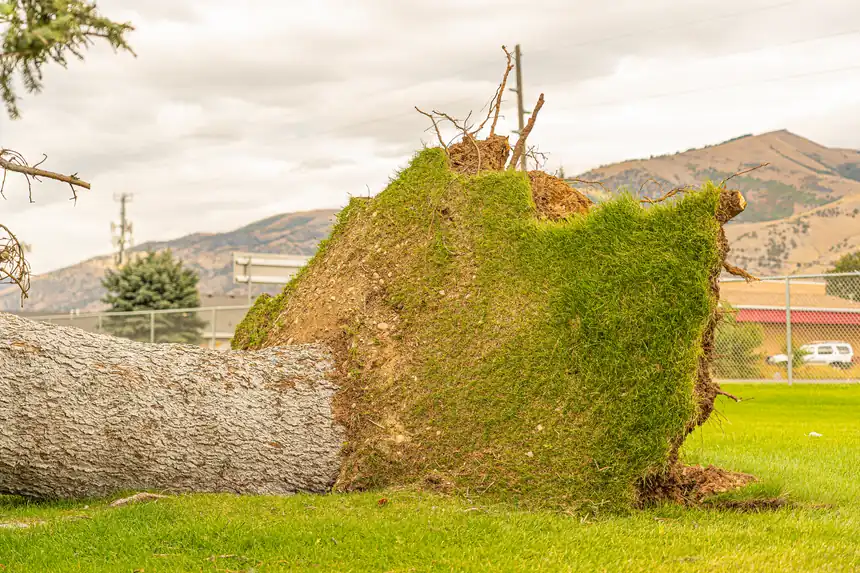
Bryan's soil is heavy clay that expands and contracts with our wet-dry cycles, and that movement is what cracks and offsets sewer laterals across Brazos County. Homes built before 1970 in Bryan Heights, College Hills, and Downtown Bryan often still have deteriorated clay pipe or Orangeburg pipe, while 1980s subdivisions like Briarcrest and Parkway Terrace more often have cast iron pipe that has scaled shut. Root intrusion from mature pecans and live oaks is the single most common finding in our camera footage. Summer heat bakes the ground and winter freezes push it, so we see a spike in cracked sewer pipe calls after the first hard freeze and again in late spring. If you are comparing CIPP lining vs replacement for older homes Bryan, the deciding factor is usually wall condition and alignment, not age alone. We handle permits through the city and Brazos County, and we schedule around the Texas A&M academic calendar so rental turnover does not collide with a sewer project.
Heavy clay soil and mature trees make root intrusion the top issue. Most laterals here are original clay pipe and are strong lining candidates when still aligned.
Pre-1960 housing stock with a high concentration of Orangeburg pipe and deteriorated clay pipe. Replacement is common; lining works where segments are intact.
Newer construction with PVC pipe, so problems usually trace to grade, bellies, or post-construction soil movement rather than material failure.
High-traffic rental laterals see grease and heavy use. We schedule lining and replacement between tenant turnovers to keep units rentable.
Slab-on-grade homes where trenchless lining or bursting avoids breaking out the foundation, which is the biggest cost driver on these lots.
Cracks and offsets laterals over time, especially at pipe joints. It is why we check alignment with the camera before recommending lining over replacement.
Roots enter at joint gaps and widen them. Hydro-jetting clears them, and CIPP lining seals the joints so roots cannot return.
Ground movement after a freeze pushes cracked sewer pipe calls up sharply. We keep emergency crews available through winter for backups and breaks.
These materials cannot be lined once deformed or crushed, so replacement with HDPE pipe or PVC pipe is the only durable fix.
A homeowner was snaking the same lateral every 14 months for root intrusion. The clay pipe had open joints and about 30 percent root blockage, but the segments were still aligned and round.
We hydro-jetted the roots out and lined 38 feet of pipe in one day. Two years later the line flows full and the homeowner has not had a single backup. Lining cost roughly 40 percent less than the replacement quote.
Maintenance: No root cutting needed on a seamless liner. We recommend a camera check every three to five years and avoiding planting new trees within 10 feet of the lateral.
Sewage was surfacing in a South Bryan yard, and the camera showed Orangeburg pipe flattened to about half its original diameter under a concrete driveway. Lining was not possible.
We used pipe bursting to pull new HDPE pipe through the failed run in two days. The driveway stayed intact, grade was verified with a laser level, and the line passed a full flow test before we left.
Maintenance: HDPE pipe resists root intrusion and chemical attack. Keep the cleanout accessible and schedule a camera check every five years as a baseline.
A landlord near the Texas A&M Area had weekly clogs in a duplex lateral. Camera footage showed cast iron pipe scaled down to about 60 percent of its original bore, with no collapse or offset.
We hydro-jetted the scale and lined the run in one day. Both units kept working drains throughout, and the landlord had the after video and warranty in hand the same afternoon.
Maintenance: Avoid pouring grease down the drain and schedule hydro-jetting every 18 to 24 months on rental properties with heavy turnover.
Sewer problems rarely fix themselves, and the cheap fix today is often the expensive one next spring. Here is what we see most in Bryan and how we handle it.
Every backup leaves sewage in your home and stresses the pipe wall further. Left alone, roots widen joints until the pipe collapses and lining is no longer an option. We hydro-jet the roots out, camera the wall condition, and line the pipe to seal the joints permanently. Roots cannot re-enter a seamless liner, so the backups stop instead of returning every 18 months.
Scale narrows the bore until every drain is slow and clogs happen weekly. Snaking only pokes a hole through the buildup and the problem returns within weeks. We camera the line and measure how much wall is left. If the pipe is still round, CIPP lining restores the full bore. If the wall is too thin, we replace the run with PVC pipe and reset the clock.
This tar-paper pipe flattens over time and cannot be cleaned or lined. It eventually crushes completely, and you find out when sewage backs up into the lowest drain in the house. Orangeburg pipe failure means replacement, full stop. We excavate or burst the failed run and install HDPE pipe, then verify grade with a laser level so the new line flows correctly.
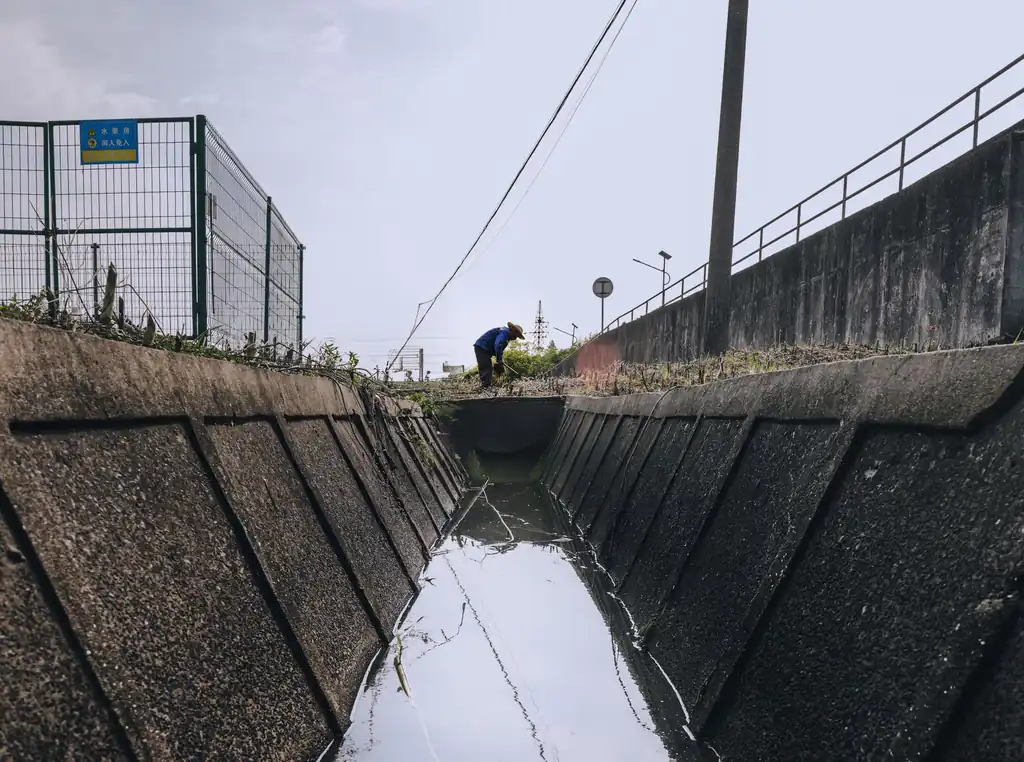
Storm inflow overwhelms a cracked or offset line and pushes sewage into your home. It also signals that groundwater is entering the pipe through failed joints. We camera the line to find the infiltration points. CIPP lining seals cracked joints and offset gaps, which keeps storm water out and takes pressure off your system during the next big rain.
$6,000 - $20,000 depending on method, length, and access
Typical 2026 pricing in this area runs $6,000 to $12,000 for residential CIPP lining and $9,000 to $20,000 for open-cut replacement on the same run. Lining usually lands 30 to 50 percent below replacement because there is no trench, no surface restoration, and far less labor. Pipe bursting sits between the two. The only way to get a real number is a camera inspection, because length, depth, and access change the price more than anything else. We quote both options from one visit, in writing, the same day. If you are comparing CIPP lining vs sewer replacement Bryan TX, ask for both figures side by side.
You are paying for a documented diagnosis, a code-correct repair, and a warranty you can hand to a buyer at resale. Both paths come with the camera footage, the permits, and the after video, so you know exactly what was done and why.
A 30-foot lateral at three feet deep is the cheap end. A 60-foot run at eight feet deep needs more liner, more excavation, and more shoring, which pushes both quotes up.
Cracked but aligned pipe is a lining candidate and costs less. Collapsed, bellied, or badly offset pipe requires replacement, which adds excavation and new pipe material.
Lining under a slab, driveway, or mature landscaping is where trenchless methods save the most money. Open-cut under concrete means saw-cutting and pouring back a patch.
Orangeburg pipe and deteriorated clay pipe often need full replacement, while cast iron and PVC pipe are more often lining candidates. Material drives which method applies.
Bryan and Brazos County permits, backfill, compaction, and surface restoration are part of the job. Trenchless work avoids most restoration cost.
After-hours emergency response costs more than a scheduled job. If your line is backing up at 2 a.m., we stabilize it first and schedule the permanent repair for daytime rates.
Our technicians hold Texas State Board of Plumbing Examiners (TSBPE) licenses, including Master Plumber and Journeyman Plumber credentials, and we carry NASSCO PACP certification for sewer condition assessment. That means the footage we show you is graded to a national standard, not eyeballed. We work with RIDGID, Milwaukee, DEWALT, Spartan Tool, General Pipe Cleaners, and TT Technologies equipment daily, and every crew member holds OSHA safety certification. When we say a line is a candidate for lining, that call is backed by a PACP rating you can read yourself.
We had roots in the clay pipe for years and two companies told us to replace the whole run. ClearLine cameraed it, showed me the footage, and lined about 35 feet instead. Saved me thousands and they did not dig up my yard. Two years in, no backups.
I manage three rentals and one had a collapsed line under the driveway. They explained why lining would not work there and did a pipe burst replacement instead. Clean work, permits pulled, and they had it done in three days. Tenants were only inconvenienced for one.
Sewage backed up into the laundry room on a Sunday. They came out same day, jetted the line, and quoted both lining and replacement. I picked lining. They cured it Tuesday and I had the after video that afternoon. Straight answers the whole way.
In 2026, most residential CIPP lining in Bryan runs $6,000 to $12,000, while open-cut replacement on the same run typically lands between $9,000 and $20,000. Length, depth, and access drive the spread. A 40-foot lateral under a clear yard is the cheap end; a line under a slab or a mature pecan tree is the high end. We quote both after the camera inspection, in writing, the same day.
CIPP lining is better when the pipe is cracked, root-damaged, or corroded but still round and correctly graded. Replacement is better when the pipe has collapsed, bellied, or is offset badly. In older Bryan neighborhoods with deteriorated clay pipe, we line about 60 percent of the lines we inspect and replace the other 40 percent. The camera decides, not the sales sheet.
A properly installed CIPP liner carries a 50-year design life, and we warranty our lining workmanship for 10 years. New PVC or HDPE pipe installed by replacement carries a 15-year warranty and a 50 to 100-year service life. Both outlast the Orangeburg pipe and thin-wall cast iron common in pre-1970 Bryan homes, which is usually the real comparison.
ClearLine Sewer Solutions installs CIPP lining and performs full sewer replacement across Bryan and Brazos County. We are TSBPE-licensed, NASSCO PACP certified, and we carry both lining and excavation equipment, so you are not handed off to a subcontractor. Call (979) 340-0181 and we will camera the line and quote both options.
Not seeing your question? Our local team can help you understand urgency, scheduling and what to expect.
Ask the local team
When lining is not the right call, we replace the full lateral with new PVC pipe. This is the direct alternative in the Cured-in-Place Pipe Lining vs Replacement Bryan TX decision, and we quote both from the same camera inspection.
View service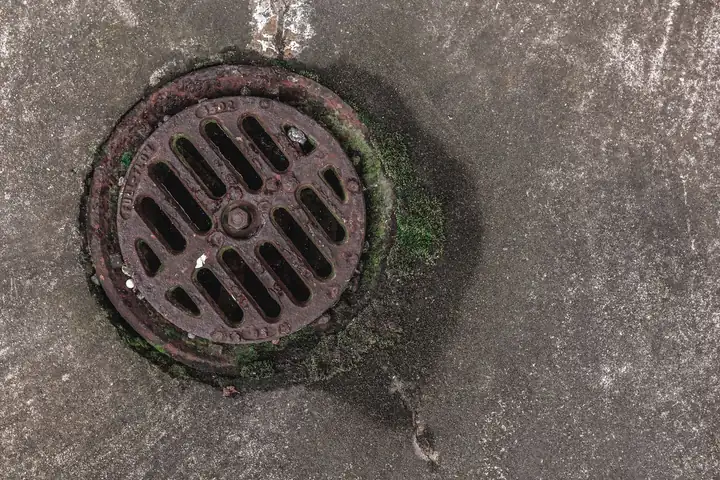
Restaurants and retail in Midtown Bryan and Bryan Towne Center need minimal downtime. We schedule lining or replacement overnight so your drains are back before the morning rush, and we handle grease-loaded lines with hydro-jetting first.
View service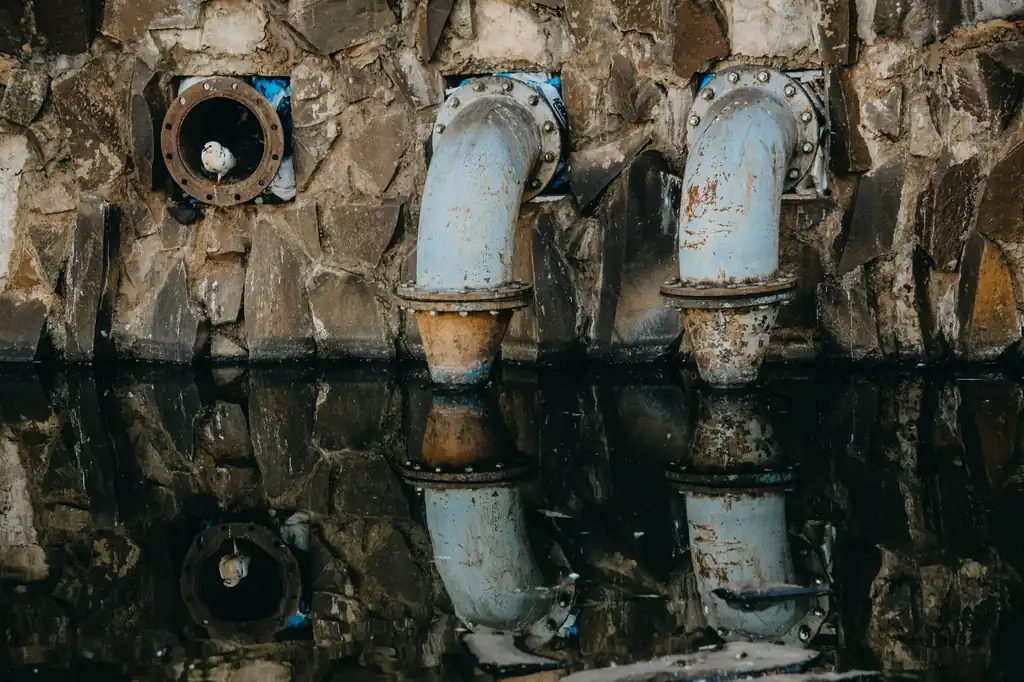
Pipe bursting pulls new HDPE pipe through the old line with a HammerHead Trenchless machine. It is the middle path between lining and open-cut, and it works well when the pipe is too far gone to line but you want to keep the yard intact.
View service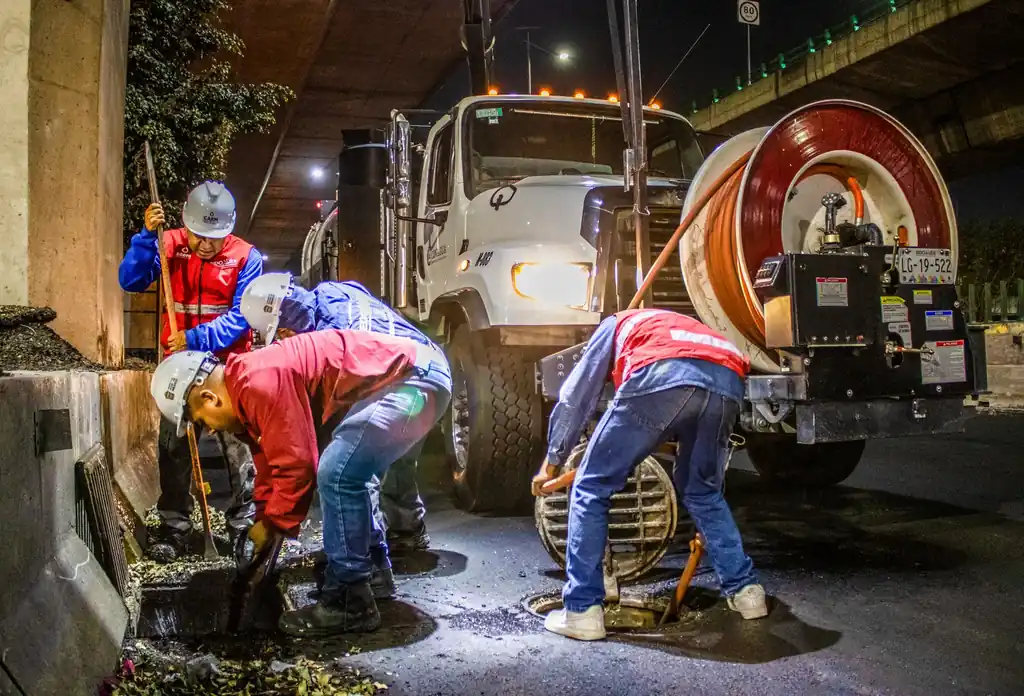
Open-cut excavation with an excavator and trenching tools is still the right answer for collapsed sewer pipe, bad grade, or a line that needs a new route. We restore the surface and compact backfill in lifts so the ground settles properly.
View serviceCall (979) 340-0181 and you will talk to someone who knows Bryan sewer lines, not a call center. We answer 24/7 for emergencies, and we schedule standard estimates Monday through Friday. Most camera inspections get booked within one business day.