Focused arrival windows
Useful updates and clear arrival timing.

Sewer Line Replacement for Multi-Unit Buildings in Bryan means pulling the failed line under your apartment building, duplex or fourplex and putting back a code-correct pipe that handles every unit's flow. We work in Bryan and across Brazos County, so we know the old clay and cast iron running under properties near Texas A&M and Downtown Bryan. If your tenants are calling about backups, we camera the line, quote the fix, and get it replaced.
Useful updates and clear arrival timing.
Review the approach and price before deciding.
Equipped vehicles and respectful cleanup.
Neighbors serving neighbors with follow-through.
Every multi-unit replacement is quoted from the camera footage, so you know what is covered before we dig. Here is what comes standard on a ClearLine job in Bryan, and what we price separately when the site calls for it.
A NASSCO PACP camera pass through the full shared lateral, plus locator marking of the run. You get the footage and a written condition report before you approve anything. This is how we confirm whether the whole line needs replacement or just one section.
We pull the City of Bryan plumbing permit and call in 811 locates for gas, electric, water and fiber before excavation. Permit turnaround in Brazos County runs two to five business days, and we handle the inspection scheduling on your behalf.
Full removal of the failed cast iron pipe, clay pipe or Orangeburg pipe, and installation of new PVC pipe or HDPE pipe on compacted gravel at the correct fall. Branch tie-ins at each unit use Inserta Tee fittings and sealed couplings.
Backfill in compacted lifts, then restoration of concrete, asphalt or sod where we opened the ground. On trenchless jobs, restoration is limited to the small launch and retrieval pits, which keeps your parking and landscaping intact.
We hydro-jetter the new line, run a final camera pass, and hand you the footage, warranty paperwork and permit sign-off. That package is what lenders, appraisers and city inspectors ask for on multi-unit properties.
Share what is happening and receive a clear next step from the local team.
Sewer Line Replacement for Multi-Unit Buildings in Bryan is the full removal and replacement of the shared lateral that carries waste from every unit to the city main. On a fourplex or 20-unit apartment building, that line is bigger and deeper than a single-family lateral, so we start with a sewer camera inspection system to map the run, find the bellies, and confirm whether root intrusion or a collapsed sewer pipe is the real problem. Then we pull the old pipe and set new PVC or HDPE pipe at the correct fall.
Bryan's older multi-unit stock around College Hills and the Texas A&M Area was largely built with cast iron pipe and clay pipe that has now corroded or cracked after decades of heavy use. When a line serves eight or more units, one blockage turns into a sewage backup in every downstairs bathroom. That is why we treat multi-unit sewer line replacement Bryan TX as a scheduled project, not a patch job, and why we camera first so you only pay to dig once.
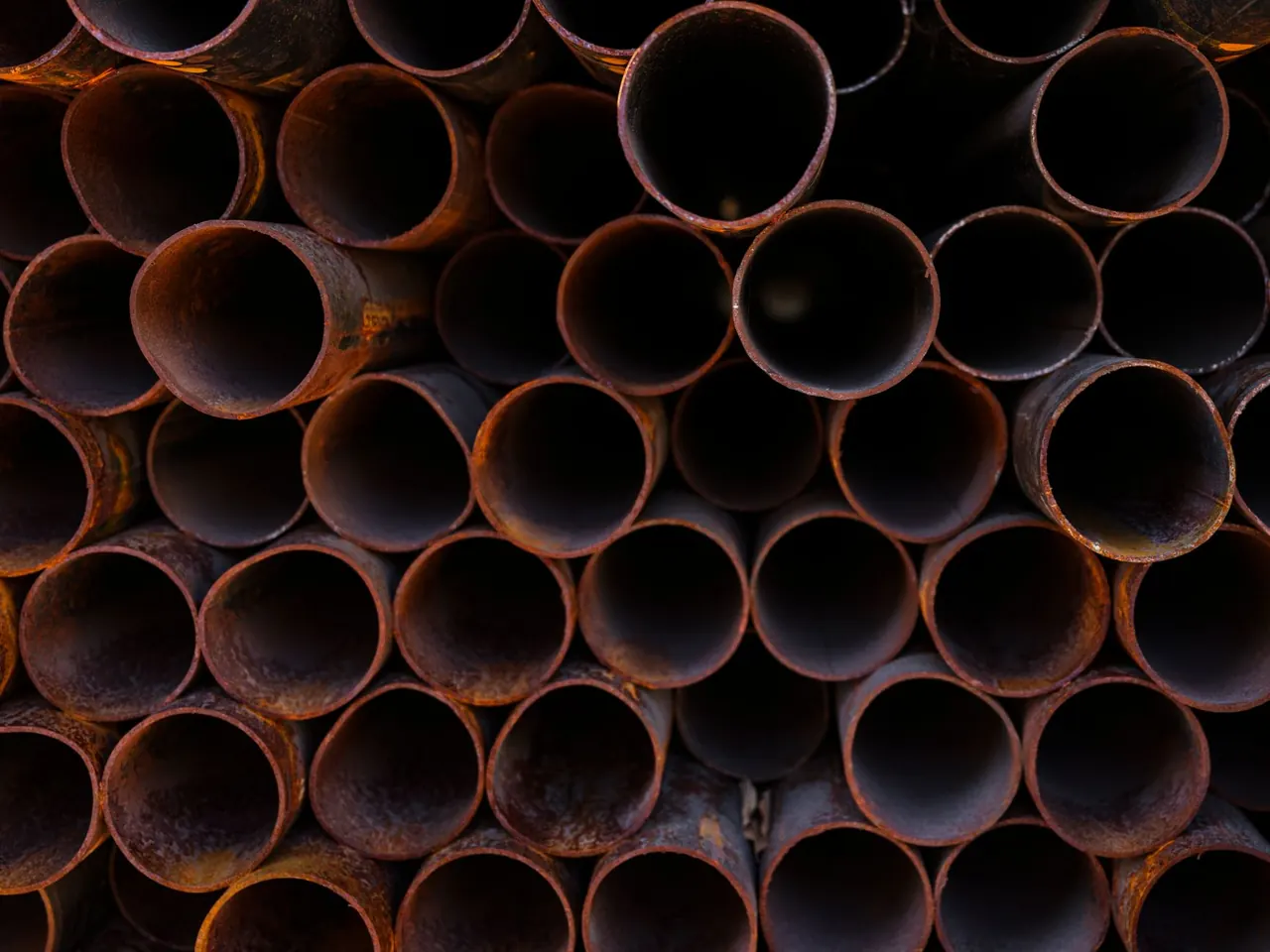
We run a sewer camera inspection system through the cleanout and mark the entire run with a locator, including any section under a slab, driveway or parking pad. You get footage and a written scope the same day. This step takes 60 to 90 minutes on a typical fourplex.
We pull the City of Bryan plumbing permit and confirm utility locates before anyone digs. If tenants need water shutoff windows, we coordinate with your property manager so residents get 24-hour notice. Permit turnaround in Brazos County usually runs two to five business days.
Where the run is open, we trench with an excavator and hand-dig near the foundation. Where it passes under a parking area or mature landscaping, we use a pipe bursting machine or trenchless drilling rig to pull new HDPE pipe through the old line with minimal surface damage.
We cut out the old cast iron pipe or clay pipe, set new PVC pipe on compacted gravel at the correct fall, and tie in each unit's branch with Inserta Tee fittings and pipe couplings. Every joint gets checked with a laser level before backfill goes in. This is the step that decides whether the line lasts.
We backfill in lifts with a compactor, restore concrete or sod, then hydro-jetter the new line and run a final camera pass. You get the footage, the warranty paperwork, and a walkthrough. Most jobs wrap the same day the last connection is made.
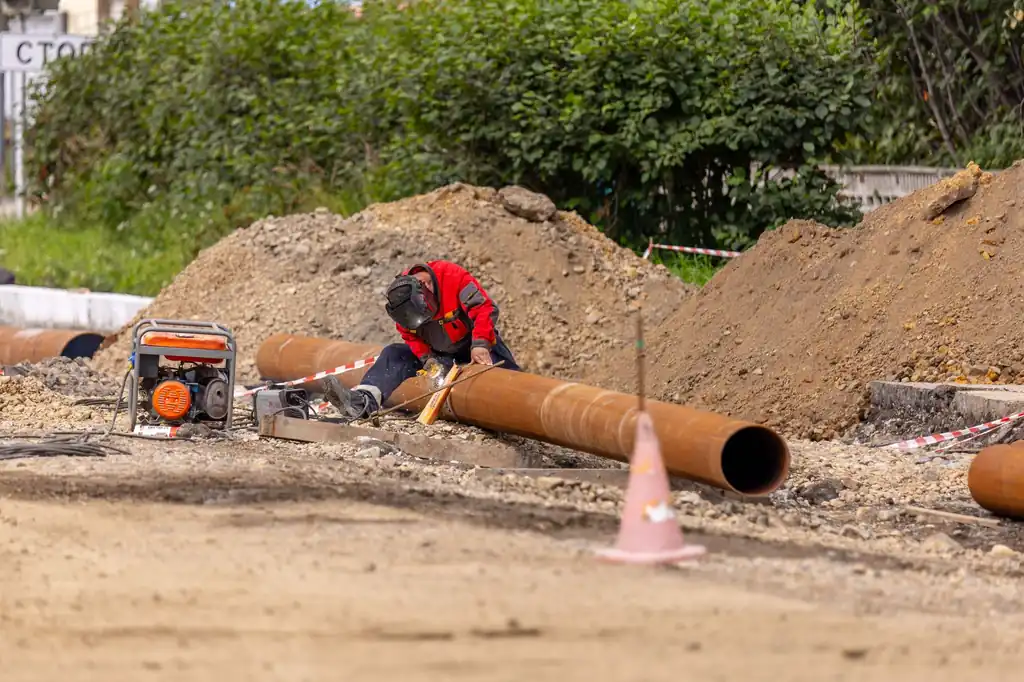
Pushes a lighted camera through the shared lateral to record pipe material, locate failures, and document condition for lenders and inspectors. Every multi-unit quote starts here.
Pulls new HDPE pipe through the old line while fracturing it outward. Used when the run passes under parking, driveways or mature landscaping on Bryan properties.
Clears grease, scale and roots at high pressure before inspection, and flushes the new line after installation. We run it at the pressure the pipe material can safely handle.
Clean, square cuts on cast iron pipe and PVC pipe so couplings seat properly. Square cuts are what keep joints from leaking under a multi-unit building.
Compacts backfill in lifts so the trench does not settle and crack the new pipe or the surface above it. This is critical under parking areas and driveways.
Used for temporary clearing and for branch lines inside the building when a unit's drain needs service alongside the main replacement.
The standard coding system for sewer camera inspection. It gives every defect a standardized rating, which is what lenders and city inspectors read when they review a multi-unit property. Our PACP-certified technicians produce the report.
We pull new HDPE pipe through the old line using a bursting head, fracturing the old pipe outward into the soil. On multi-unit properties, this avoids cutting parking, driveways and landscaping, and it leaves a seamless new line.
Where the run is shallow and accessible, we excavate, remove the old pipe, and set new PVC pipe on compacted gravel at the correct fall. Backfill goes in lifts with a compactor so the surface stays level.
We assess whether a pipe liner with epoxy resin is a viable alternative to full replacement. On multi-unit runs, lining only works when the pipe is still round and aligned, so we compare it against replacement after the camera pass.
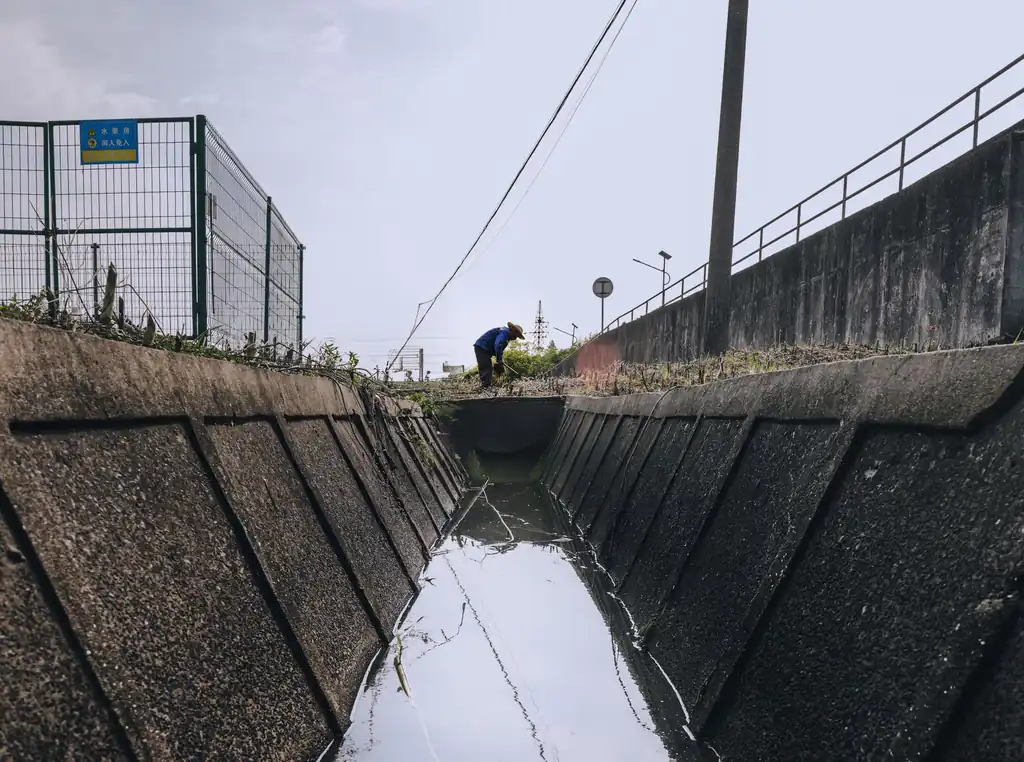
We camera the line the same week, identify a collapsed section under the parking area, and pull new HDPE pipe with a trenchless rig so no parking spaces are lost. The work is scheduled around tenant move-in traffic. The line is replaced in two days, parking stays open, and the property enters the semester with a documented, warrantied lateral and no pending tenant complaints.
We run a NASSCO PACP camera inspection, document the cracked and root-damaged sections, and replace the full run with PVC pipe on compacted gravel. We pull the City of Bryan permit and schedule the inspection. The owner gets before-and-after footage, a written warranty and a passing inspection report, which clears the lender's condition on the refinance.
We respond on our 24/7 emergency line, isolate the blockage, and stop the backup with a temporary measure. A camera pass on Monday confirms a broken sewer line section, which we replace that week. The immediate backup is contained the same night, tenants stay in their units, and the failed section is replaced with new pipe and a warranty within a week.
We inspect all three laterals in one mobilization, prioritize the worst line, and phase replacements so only one building is disrupted at a time. Each job gets its own permit and documentation package. All three buildings are on new pipe within a month, the manager has one point of contact, and the jetting budget for the portfolio drops to near zero.
Bryan's soil is the biggest factor in how a multi-unit sewer line performs. Our clay expands hard in wet springs and shrinks in dry summers, which shifts the ground around buried pipe and shears couplings on old clay and cast iron lines. That is why we bed new pipe in gravel and compact backfill in lifts instead of dumping spoil back in. Building stock matters too: a lot of Bryan's multi-unit properties around College Hills, Bryan Heights and the Texas A&M Area went up between the 1950s and 1980s, so they are still running original clay pipe, cast iron pipe or Orangeburg pipe well past its service life. When we quote sewer line replacement for apartments in Bryan Texas, we plan for that older infrastructure and for the mature trees that send roots into every open joint. Permits come from the City of Bryan, and we handle the plumbing permit and utility locates before we break ground. If you are searching for how to replace sewer line in multi-unit buildings Bryan, the short answer is: camera first, choose trenchless or open-trench based on what is above the pipe, and document the finished line for your records.
A high concentration of mid-century fourplexes and small apartment buildings with original clay pipe laterals. Root intrusion from mature trees is the most common failure we see here.
Student rentals with heavy daily flow and tight move-in windows. We schedule replacements between semesters and use trenchless methods to keep parking available.
Older duplexes and fourplexes where cast iron pipe has corroded down to partial diameter. Chronic slow drains here usually mean the line needs replacement, not another jetting.
Newer multi-unit properties where soil movement has sheared couplings at the building edge. These repairs are usually short and targeted rather than full-run replacements.
Mixed-use buildings with shared laterals running under sidewalks and alleys. Trenchless replacement keeps the streetscape intact and avoids closing pedestrian access.
Soil movement cracks rigid clay pipe and shears couplings on cast iron. New PVC pipe bedded in gravel flexes with the ground instead of snapping, which is why bedding and compaction matter as much as the pipe itself.
Roots find every open joint in old clay pipe and expand it. Replacement with sealed PVC joints removes the entry points, and gravel bedding discourages roots from traveling along the trench.
Cast iron corrodes from the inside, scaling down to half its diameter over decades. Multi-unit buildings with 10 or more units feel this first as chronic slow drains on upper floors.
Multi-unit sewer work needs a plumbing permit and utility locates before excavation. We build two to five business days of permit turnaround into every schedule so the job does not stall mid-dig.
Three ground-floor units backed up in the same week. Two prior plumbers had jetted the line, and the property owner was crediting rent for water damage. Camera inspection showed a collapsed clay pipe section under the parking apron with roots through every joint.
We pulled new 6-inch HDPE pipe through the old line with a pipe bursting rig, avoiding any parking demolition. The job finished in two days. In the six months since, the property has had zero backup calls and no jetting bills.
Maintenance: We recommend a camera inspection every 24 months on multi-unit lines and a light hydro-jetter pass if the building serves a restaurant or laundry. Keep grease and wipes out of the system and the line will outlast the building.
A 1960s fourplex with original clay pipe failed a lender's camera inspection during a refinance. Multiple cracked sections and root intrusion showed on the footage, and the owner needed documented repairs to close.
We replaced the full 70-foot run with PVC pipe on compacted gravel, pulled the City of Bryan permit, and provided before-and-after footage plus a written warranty. The refinance closed two weeks later with no further conditions.
Maintenance: Keep the cleanout accessible and schedule a camera pass every two to three years. If you notice slow drains in more than one unit, call before it becomes a backup.
Sewage backed into both units of a Downtown Bryan duplex on a Friday night. The line was fully blocked and the owner could not reach anyone. We responded on our 24/7 line and stopped the backup with a temporary measure that night.
A Monday camera pass confirmed a broken sewer line section from soil movement. We replaced the failed section with new PVC pipe and sealed couplings, tested the line, and restored the sidewalk. Total time from first call to final test was five days.
Maintenance: Watch for gurgling toilets and slow drains in both units at once. On a shared line, that pattern means the problem is in the lateral, not the fixtures, and it needs a camera pass.
Shared laterals fail differently than single-family lines. Here are the problems we see most on Bryan apartment buildings, duplexes and fourplexes, and how we fix them for good.
Every backup means emergency calls, water extraction, flooring replacement and rent credits. On a shared line, one blockage hits every unit on the stack at once, and the damage compounds each time it happens. We camera the line to find the actual failure point, then replace the damaged section or the full run with new PVC pipe. Most Bryan multi-unit properties go from monthly backups to none after replacement, and we document the fix with before-and-after footage.
Bryan's mature pecan and oak trees find every joint in clay pipe. Cutting roots buys a few months at best. Eventually the roots open the joints wide enough that soil enters the line and creates a full blockage. We replace the root-damaged run with PVC pipe and sealed couplings, so there are no open joints for roots to enter. Where trees are close to the line, we bed the pipe in gravel to discourage root travel along the trench.
Cast iron pipe corrodes from the inside out. By the time it fails, it may be down to half its original diameter, which causes chronic slow drains and repeated jetting bills across a multi-unit building. Replacement restores full flow capacity. We cut out the corroded cast iron pipe, set new PVC pipe sized for the building's unit count, and pressure-test every joint before backfill. No more annual jetting budget.
A collapsed sewer pipe cannot be jetted open, and open-trench repair means cutting asphalt, closing parking and paying for concrete restoration. On an occupied property, that disruption is often worse than the pipe failure itself. We use a pipe bursting machine or trenchless drilling rig to pull new HDPE pipe through the old line from small launch pits. You keep your parking, restoration costs drop sharply, and the new line is seamless from cleanout to main.
$8,000 - $35,000 depending on scope
Typical 2026 pricing for multi-unit sewer line replacement in Bryan runs $8,000 to $35,000, depending on length, depth, pipe diameter and what sits above the line. A short open-trench replacement on a fourplex sits near the low end. A 20-unit building with a line under a parking lot, plus concrete restoration, pushes toward the top. Trenchless methods cost more per foot but usually save more in restoration, which often makes them the cheaper total on occupied properties. We quote from camera footage, so the number you get is the number you pay.
You are paying to dig once. A properly bedded, code-correct replacement with documented camera footage protects the property, clears lender and inspection requirements, and ends the cycle of emergency calls and rent credits that quietly cost more than the replacement itself.
A 60-foot run at three feet deep is a straightforward dig. A 200-foot run at eight feet deep needs shoring, more excavation time and more backfill. Depth is often the single biggest driver of cost on Bryan multi-unit properties.
A fourplex may run on 4-inch pipe, while a 20-unit building needs 6-inch or larger. Bigger pipe costs more per foot, and more units mean more branch tie-ins, each of which adds labor and fittings.
Trenchless costs more per foot for equipment and setup, but it avoids cutting asphalt, concrete or landscaping. On a property where parking cannot close, trenchless is usually the cheaper total once restoration is counted.
Replacing concrete, asphalt or sod over an open trench adds cost. We restore to a clean, level finish, and on trenchless jobs restoration is limited to small launch and retrieval pits.
The City of Bryan requires a plumbing permit and inspection for multi-unit sewer work. Permit fees and inspection scheduling add a fixed cost, and we build the two-to-five-day turnaround into the schedule.
After-hours emergency response costs more than a scheduled replacement. If your line is failing but not yet blocked, scheduling the work during normal hours saves money and lets us plan around tenant occupancy.
Our team holds a Master Plumber License through the Texas State Board of Plumbing Examiners (TSBPE), and every technician on a multi-unit job carries OSHA safety certification and NASSCO PACP certification for sewer condition assessment. That matters on commercial and multi-family properties, where the camera report has to stand up to a lender's review. We have replaced shared laterals under apartment buildings, duplexes, fourplexes and student rentals throughout Brazos County, and we carry the insurance and bonding that property owners require before we break ground.
I manage a 12-unit building near College Hills and had backups in three downstairs units in the same week. ClearLine cameraed the line, showed me the collapsed section on video, and replaced it in two days. They staged equipment so tenants could still park. Six months later, zero calls. Worth every dollar.
My fourplex had chronic slow drains for years and two plumbers just jetted it. ClearLine found the root intrusion through the old clay pipe and replaced the whole run with PVC. They handled the City of Bryan permit and sent me before-and-after footage. I finally have documentation for my lender.
We had a line under our parking lot fail right before move-in week. ClearLine used pipe bursting so we never lost a single parking space, and the job was done in a day and a half. They coordinated water shutoffs with our residents and kept everything clean. I have already referred them to two other managers.
Most multi-unit replacements in Bryan run $8,000 to $35,000 in 2026, depending on length, depth and access. A 4-unit building with a 60-foot open run typically lands near the low end. A 20-unit property with a line under a parking lot, plus concrete restoration, pushes toward the top. Trenchless methods cost more per foot but avoid slab and asphalt repair, which often evens out the total.
Plan on one to three days on site for most Bryan multi-unit jobs. Camera and locate take 60 to 90 minutes. Permits add two to five business days before we dig. An open-trench replacement on a fourplex is usually a single day. A trenchless pull under a parking area runs two days. Larger apartment buildings with multiple branch tie-ins can stretch to three or four days.
In Bryan, the property owner is responsible for the lateral from the building to the city main, including the portion under the parking lot or slab. Tenants are responsible only for what they flush. That is why owners carry the cost of a shared-line failure. If the break sits on the city side of the main tap, the City of Bryan handles it, and we tell you which side you are on after the camera pass.
ClearLine Sewer Solutions does. We are a state-licensed plumbing contractor working out of Bryan, and we handle multi-unit sewer repair Bryan projects from camera inspection through final test. We carry a Master Plumber License, NASSCO PACP certification and full insurance for occupied properties. Call (979) 340-0181 and we will schedule a camera inspection, usually within a few days.
Not seeing your question? Our local team can help you understand urgency, scheduling and what to expect.
Ask the local team
Single-family laterals are shorter and shallower than a multi-unit run, but the failure modes are the same: root intrusion, cracked sewer pipe, and old clay pipe. If you own both a rental house and a fourplex in Bryan, we handle both under one crew.
View service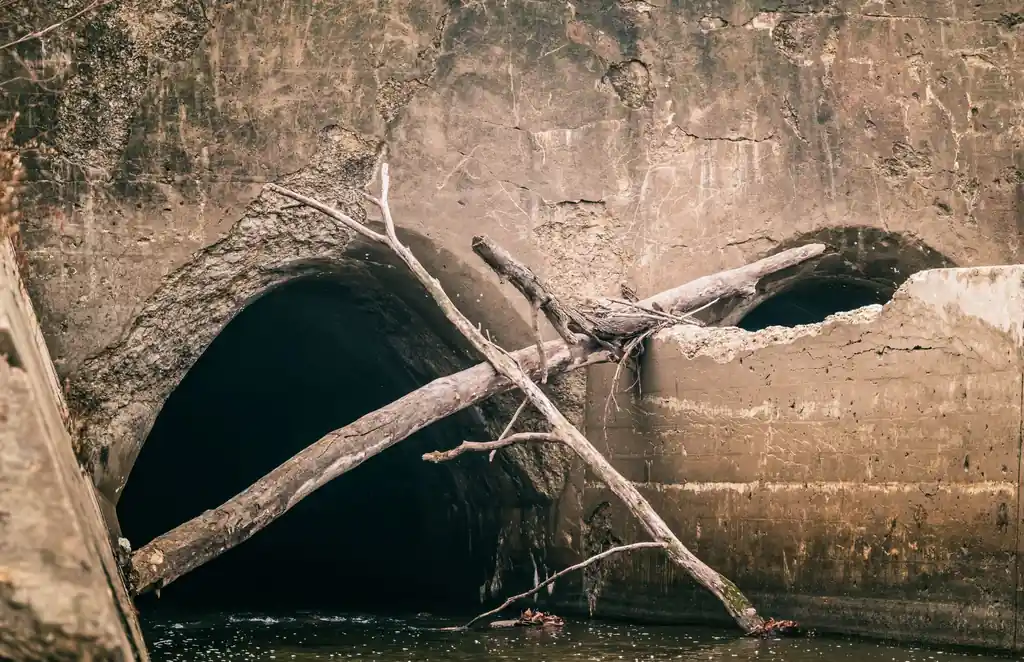
Restaurants, laundromats and retail centers push far more volume through a shared line than an apartment building. We size commercial replacements larger and often add cleanouts at the building edge so future service does not require digging up the parking lot.
View service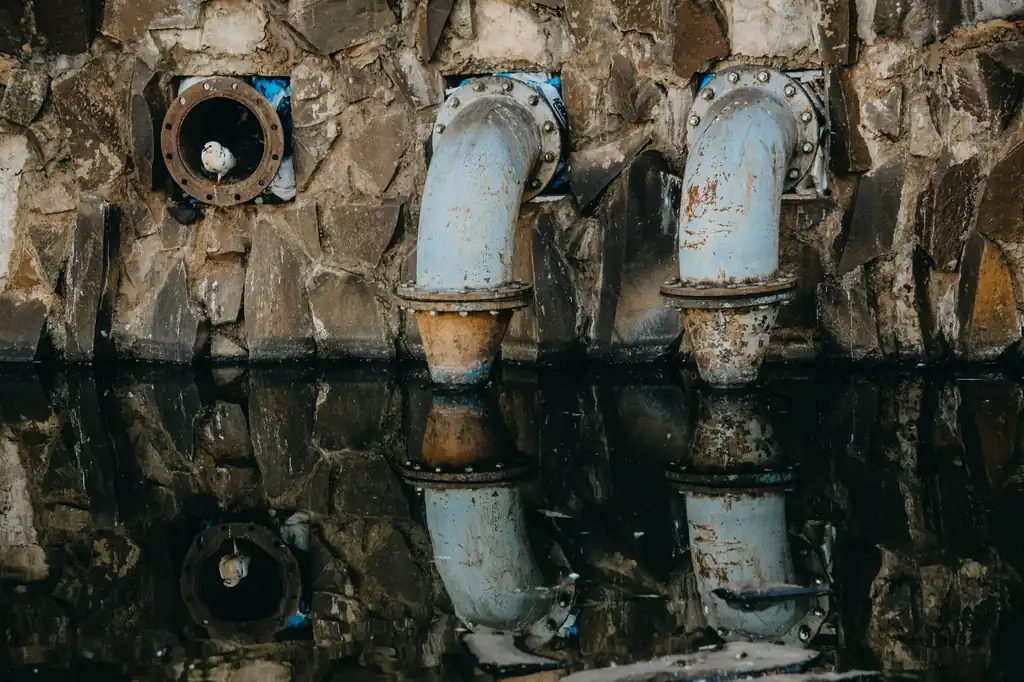
Trenchless is the default choice when a multi-unit line runs under parking, driveways or mature trees. We pull new HDPE pipe through the old line with a pipe bursting machine, which keeps tenant parking intact and cuts restoration costs on Bryan properties.
View service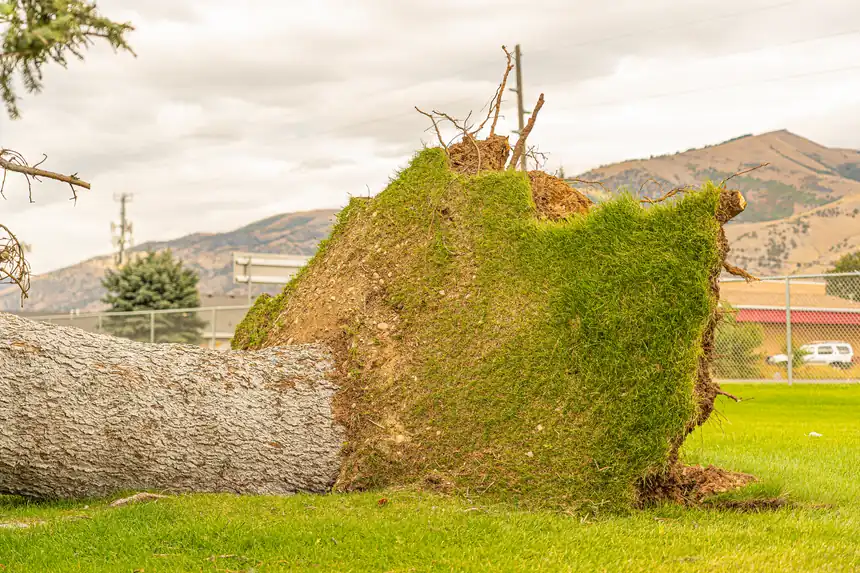
When the run is open and shallow, open-trench replacement is faster and cheaper than trenchless. We excavate with an excavator, hand-dig near foundations, and set new PVC pipe on compacted gravel. Most fourplex jobs finish in a single day.
View serviceCall (979) 340-0181 and you will talk to someone who knows Bryan sewer lines, not a call center. We answer 24/7 for emergencies, and we schedule standard estimates Monday through Friday. Most camera inspections get booked within one business day.