Focused arrival windows
Useful updates and clear arrival timing.
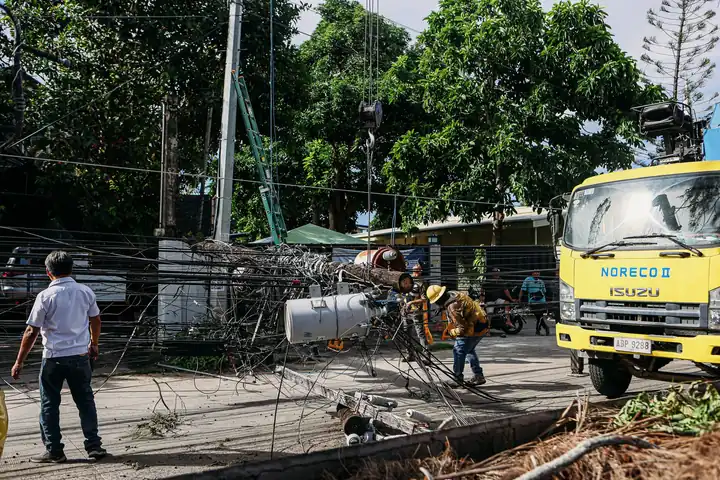
Sewer Line Replacement for Older Homes in Bryan means pulling out the failing clay, cast iron, or Orangeburg pipe under your yard and putting in a new, code-correct line that handles tree roots and heavy soil. If your 1950s-1970s Bryan home backs up every few months, smells in the yard, or has bellies holding waste, we camera the line, show you the problem, and replace it. Call (979) 340-0181.
Useful updates and clear arrival timing.
Review the approach and price before deciding.
Equipped vehicles and respectful cleanup.
Neighbors serving neighbors with follow-through.
Every Bryan replacement we do starts with a camera inspection and ends with a signed inspection and a clean yard. Here is what is in the scope, and what we quote separately if your property needs it.
A NASSCO PACP camera pass from the cleanout to the city main, with the footage recorded and defects marked on the ground. You see exactly what we see before any price is discussed.
We file the City of Bryan plumbing permit, call 811 for locates, and meet the inspector on site. You get the signed-off paperwork when the job closes, which matters at resale.
Clay tile, cast iron pipe, or Orangeburg pipe is cut out and hauled off. On trenchless jobs the old line is burst in place and the fragments stay in the ground behind the new HDPE.
Schedule-40 PVC or HDPE pipe, set with a laser level to the correct fall, bedded in gravel, and backfilled in compacted lifts. Joints are solvent-welded or mechanically coupled to code.
We compact the trench, replace soil, and rake the yard back to grade. Sod replacement and concrete repair are quoted separately so you know exactly what restoration costs before we start.
After backfill we run the camera one more time and give you the video. It is proof the new line is clear, on grade, and tied into the city main with no obstructions.
Share what is happening and receive a clear next step from the local team.
Sewer Line Replacement for Older Homes in Bryan is the full removal and replacement of a failing underground sewer lateral, usually clay tile, cast iron, or Orangeburg pipe, with new PVC or HDPE pipe that meets current plumbing code. We run a sewer camera inspection system through the line first to map every crack, root intrusion, and bellied section, then we dig or burst the old pipe out and set the new one at the correct fall. Most Bryan jobs run 40 to 90 feet from the house to the city main.
Homes built in Bryan before 1980 were plumbed with materials that were never meant to last 50 years. Clay pipe joints shift in Brazos County's expansive clay soil, cast iron corrodes from the inside out, and Orangeburg pipe simply deforms under load. If you are searching for old home sewer line replacement Bryan TX, the trigger is usually repeat backups, sewage odors in the yard, or a camera report showing a collapsed sewer pipe. We handle older home sewer repair Bryan the same week you call.
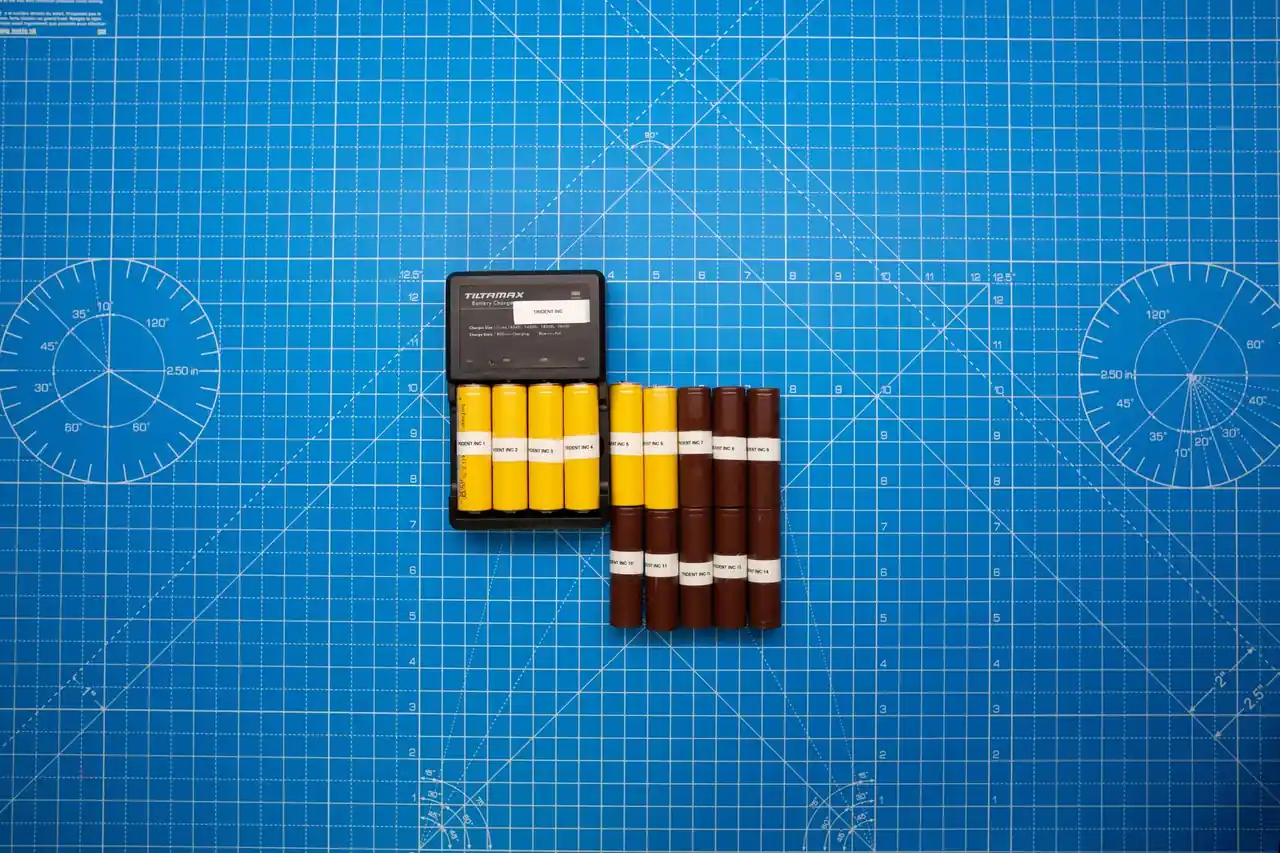
We push a sewer camera inspection system from the cleanout to the city main and record the footage. You watch the screen with us. We mark depth and location on the ground with paint so you can see exactly where the collapsed sewer pipe or root intrusion sits. This visit takes 45 to 90 minutes and costs nothing when you move forward with the replacement.
Same day or next morning, you get a written scope: pipe length, material, depth, method (trenchless or open cut), permit, and total price. No hourly surprises. If the line runs under a slab or driveway, we note that up front so the number does not move. You approve it, we schedule the dig.
We file the plumbing permit with the City of Bryan and call 811 so gas, water, electric, and fiber are marked. That usually takes two to three business days. We also confirm the city main connection point and check for any easement restrictions before the excavator shows up.
On open-cut jobs we dig with an excavator, cut out the old clay or cast iron with a pipe cutter, and haul it off. On trenchless jobs we dig two pits and pull new HDPE pipe through with a pipe bursting machine. Either way, the new line is set with a laser level to the correct fall, bedded in gravel, and compacted in lifts.
The city inspector signs off on the line before we backfill. Then we compact the trench, restore the surface, and run a final camera pass so you have video proof of the new pipe. Most Bryan jobs finish in one to three days of on-site work, and we leave the yard raked and the driveway clear.
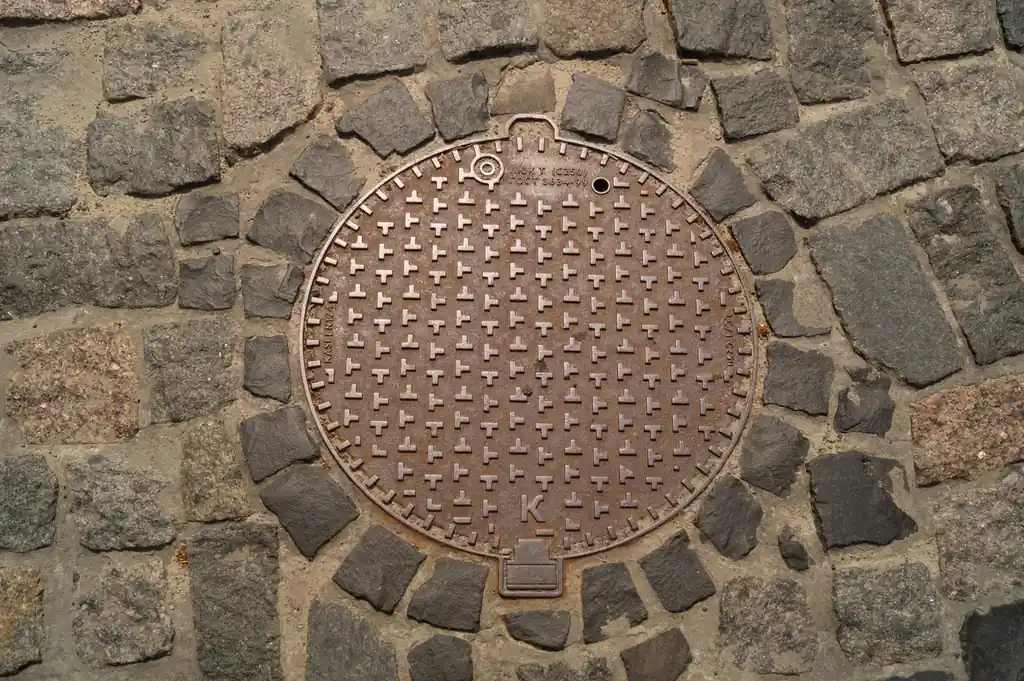
Pushed from the cleanout to the city main to record pipe condition, locate defects, and verify the finished line. Every Bryan replacement starts and ends with a camera pass.
Pulls a bursting head through the old clay or cast iron pipe and drags new HDPE behind it. Used when the line runs under driveways, trees, or finished landscaping.
Bores a guided path for new pipe when the existing alignment has to change or the old line is too damaged to burst. Keeps the surface intact on tight Bryan lots.
Clears roots, grease, and scale before inspection so the camera can see the true condition of the pipe. Also used to clean the new line before the final camera pass.
Digs the open-cut trench on jobs where bursting will not work. We shore the trench per OSHA rules and keep the spoils contained so the yard stays usable.
Sets the new pipe to the correct fall and compacts the backfill in lifts so the line does not settle. This is what keeps a new Bryan sewer line from bellies years later.
We grade every defect on the PACP scale so you get an objective condition report, not a sales pitch. The grade drives the scope: isolated cracks may be lined, but bellied or collapsed runs get replaced.
A bursting head expands the old pipe into the surrounding soil while new HDPE is pulled through behind it. Ideal for Bryan jobs where the sewer runs under a driveway, patio, or mature tree.
When the alignment must change or the pipe is too far gone to burst, we dig to grade, remove the old material, and set new PVC on gravel bedding. The trench is compacted in lifts before backfill.
For sound pipe with isolated cracks, we can install a CIPP liner saturated with epoxy resin instead of digging. We tell you honestly when lining is the right call and when replacement is the only durable fix.
Every Bryan replacement is permitted through the City of Bryan and inspected before backfill. We meet the inspector on site and hand you the signed-off paperwork when the job closes.
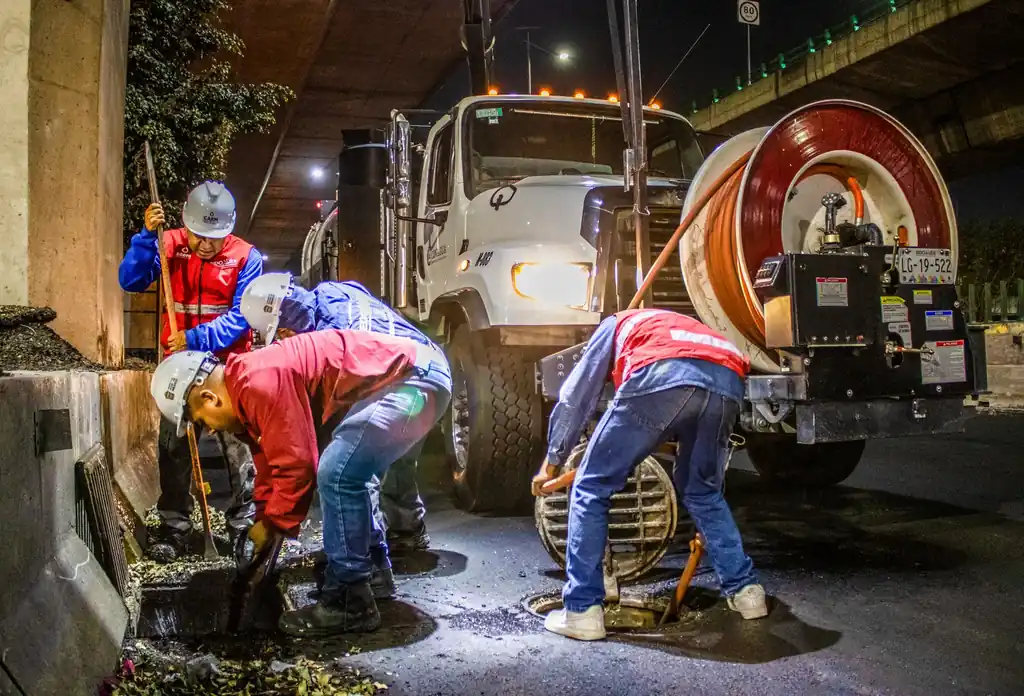
We camera the line, hydro-jet the roots out, and replace the root-damaged clay run with PVC. The permit is filed with the City of Bryan, and the inspector signs off before we backfill and restore the yard. No backups the following spring, and a camera video showing a clean, round, root-free line from the house to the city main.
We respond same day, stop the backup, and schedule a trenchless pipe bursting replacement so the driveway and lawn stay intact. Work is staged around the tenant's schedule, and we document everything for the owner. Tenant stays, the property is back in service in two days, and the landlord has permit paperwork and camera footage on file for the next lease.
We use a pipe bursting machine to pull new HDPE through the old cast iron from two small pits, leaving the concrete driveway untouched. The new line is set to grade and inspected before backfill. Full flow restored, driveway intact, and a warrantied line that will not corrode the way cast iron did.
Open cut would kill the tree and destroy the walk. We hand-dig the two access pits, burst the old clay, and pull new HDPE through, protecting both the tree and the brick. New sewer line in place, tree and walkway untouched, and the yard back to grade within a week of the dig.
Bryan sits on expansive clay soil that swells when wet and shrinks when dry, and that movement is what breaks so many old sewer lines here. Clay tile joints separate, cast iron cracks at the collar, and Orangeburg pipe flattens under the load. Add pecan and live oak roots hunting for water, and a 1950s lateral rarely makes it past 60 years. Most of our Bryan work is in post-war neighborhoods like College Hills and Bryan Heights, plus the 1970s subdivisions out toward Copperfield and Greenbrier. We pull City of Bryan plumbing permits on every job, call 811 for locates, and schedule the inspection before backfill. If you need sewer line replacement for older homes in Bryan, Texas, we can usually camera the line within a day or two of your call. For homeowners comparing old house sewer replacement contractor Bryan TX options, ask whether the bid includes the permit, the inspection, and the final camera pass. Ours does.
Post-war housing stock with original clay laterals and mature pecan trees. Root intrusion is the most common failure we see here.
1950s homes with cast iron and clay pipe that has reached the end of its service life. Many lines run under mature landscaping.
1970s construction with Orangeburg and early PVC laterals. Orangeburg failures are common, and driveways often sit over the line.
Historic blocks where the sewer runs under brick walkways and old trees. Trenchless methods protect the streetscape and the root systems.
Mix of older and newer homes. We see cast iron corrosion on the older runs and settle-related bellies on the newer ones.
Soil movement shifts clay pipe joints and cracks cast iron collars. It is the main reason old Bryan laterals fail, and it is why we bed new pipe in gravel and compact the backfill in lifts.
Roots find every joint and crack. We hydro-jet before inspection so the camera sees the true damage, and we install tight-jointed PVC so roots cannot re-enter the new line.
Dry soil shrinks and pulls away from the pipe, opening joints. We see more cracked and separated lines after a hot, dry Bryan summer than at any other time of year.
Saturated ground loads the pipe and pushes groundwater into open joints, which is when backups show up. We schedule replacements before the spring rains when we can.
A 1958 College Hills home backed up every spring for three years. The camera showed roots through every clay joint and two bellied sections holding waste. Drain cleaning bought a few months each time.
We pulled the City of Bryan permit, dug a 62-foot trench, and replaced the clay with schedule-40 PVC bedded in gravel. The inspector signed off with no corrections, and the final camera pass showed a clean, round line.
Maintenance: Keep the cleanout accessible and avoid pouring grease or wipes down the drain. We recommend a camera check every five years on older Bryan homes, even after replacement.
A 1972 Copperfield home had a collapsed Orangeburg line under the concrete driveway. The lowest floor drain backed up with sewage, and the pipe was too flat to snake or line.
We dug two pits and burst the old pipe, pulling new HDPE through in a day and a half. The driveway was never touched, and the new line was set to grade and inspected before backfill.
Maintenance: No special care needed for HDPE. Keep tree roots away from the two access points, and have the line cameraed once every five to seven years.
A 1955 Bryan Heights home had slow drains throughout and a sewage smell in the yard. The camera showed cast iron scaled nearly shut and cracked at two collars.
We cut out the corroded cast iron pipe, replaced the full run with PVC, and matched the fall to the existing line. Drains ran full flow the same day, and the yard odor was gone within a week.
Maintenance: Avoid chemical drain cleaners, which accelerate corrosion in any remaining cast iron. An annual hot-water flush keeps the new PVC line running clear.
Most older Bryan homes show the same handful of failures. Here is what we find, what happens if you wait, and how we fix it for good.
Roots keep growing back after every drain cleaning, and the line eventually blocks completely during a holiday or a rainstorm when you least want a plumber. We hydro-jet the line to clear roots, camera it to grade the damage, then replace the root-filled clay run with tight-jointed PVC. New pipe has no joints for roots to enter, so the problem stops at the source instead of returning every spring.
Orangeburg deforms and flattens with age, so waste has nowhere to go. You get sewage backup in the lowest drain, and the pipe cannot be snaked or lined because there is no round shape left. Orangeburg cannot be repaired, only replaced. We excavate or burst the failed run, remove the tar-paper pipe, and install new PVC or HDPE on compacted gravel. Most Bryan Orangeburg replacements finish in one to two days on site.
Cast iron corrodes from the inside, so a 4-inch line can act like a 2-inch line. Drains slow to a trickle, and the pipe eventually cracks or collapses under the soil load. We cut out the corroded cast iron pipe with a pipe cutter, replace it with smooth PVC, and match the fall to the existing run. If only part of the line is bad, we replace that section and tie in with mechanical couplings rated for the load.
A bellied section collects solids and paper, so the line backs up even when it looks clear on a snake. Left alone, the belly grows and the pipe eventually cracks or collapses. We camera and locate the belly, then decide between open-cut replacement and rerouting the lateral around the foundation. Either way the new pipe is set on compacted gravel with a laser level so it cannot settle back into the same dip.
$4,500 - $12,000 depending on length, depth, and method
Typical 2026 pricing in Bryan runs $4,500 to $12,000, with most 60-foot open-cut jobs landing near $7,000 to $9,000. Trenchless pipe bursting usually adds $1,500 to $3,000 because of the equipment and the two access pits. Depth matters more than length: a line 6 feet down costs more to dig and shore than one at 3 feet. We camera the line first, then give you a fixed written price, so the number you approve is the number you pay. If you are comparing older home sewer repair Bryan bids, make sure the permit, inspection, and final camera pass are in the scope.
A new sewer line ends the cycle of $300 to $600 drain-cleaning visits every few months. Most Bryan homeowners break even within two to three years, and the line is warrantied against defects in materials and workmanship.
A 40-foot line at 3 feet deep is a different job than a 90-foot line at 7 feet. Deeper trenches need shoring per OSHA rules and more backfill, which adds labor and equipment time to the price.
Pipe bursting and directional drilling add $1,500 to $3,000 over open cut, but they save driveways, patios, and mature trees. On many Bryan lots the savings on restoration more than cover the difference.
Sod replacement, concrete repair, and brick walkway resetting are quoted separately so you can see the real cost. We restore the trench to grade as part of the job and price any hardscape repair up front.
If the tap at the city main is broken or the connection needs a new Inserta Tee, that adds time and material. We check the connection during the camera inspection so it is in the quote, not a surprise.
The City of Bryan plumbing permit and inspection are part of every job we do. We file them for you, and the fee is included in the written scope rather than billed later.
We are a state-licensed plumbing contractor working Bryan and Brazos County, and older sewer lines are most of what we see. Our technicians hold Master Plumber and Journeyman Plumber licenses through the Texas State Board of Plumbing Examiners, plus NASSCO PACP certification for sewer camera inspection. We carry OSHA safety certification, EPA lead-safe certification for work around pre-1978 homes, and IAPMO certification on the pipe and fittings we install. That combination matters on older Bryan homes, where the sewer line often runs beside lead water service and old gas stubs.
Our 1958 house backed up every spring for three years. ClearLine cameraed the line and showed us roots through every clay joint. They pulled the permit, dug a 62-foot trench, and had new PVC in the ground in two days. No backups since, and the inspector signed off without a single correction. Worth every dollar.
We had a collapsed Orangeburg line under the driveway. I expected them to tear out the concrete. Instead they dug two pits and burst the old pipe, pulling new HDPE through. Driveway is untouched, job was done in a day and a half, and they left the yard cleaner than they found it.
I manage three older rentals near campus, and backups were costing me tenants. ClearLine replaced the laterals on two of them and lined the third where the pipe was still sound. They coordinated with my tenants, documented everything, and gave me the permit paperwork for each property. Straight answers, fair price.
Most Bryan replacements run $4,500 to $12,000 in 2026, with a typical 60-foot open-cut job landing near $7,000 to $9,000. Trenchless pipe bursting usually adds $1,500 to $3,000. Depth, pipe length, driveway or slab crossings, and whether the city main connection needs work drive the number. We camera the line first and give you a fixed written price.
Bryan homes built before 1980 were plumbed with clay tile, cast iron, or Orangeburg pipe that was never designed to last this long. Clay joints separate in Brazos County's shifting clay soil, cast iron corrodes and scales shut, and Orangeburg deforms under load. Once the pipe is bellied, cracked, or root-filled, patching stops working and replacement is the durable fix.
On-site work is usually one to three days. Permit and 811 locate wait time adds two to three business days before we dig. A straight 50-foot open-cut replacement in a clear yard can finish in a single day; a trenchless job under a driveway or a line running under a slab can stretch to three or four days. We give you the schedule up front.
We do. ClearLine Sewer Solutions is a state-licensed plumbing contractor serving Bryan and Brazos County, and older sewer lines are most of our work. Call (979) 340-0181 and we will camera the line, show you the problem, and quote the replacement. If you are searching old home sewer line replacement near me Bryan TX, that is us.
Not seeing your question? Our local team can help you understand urgency, scheduling and what to expect.
Ask the local team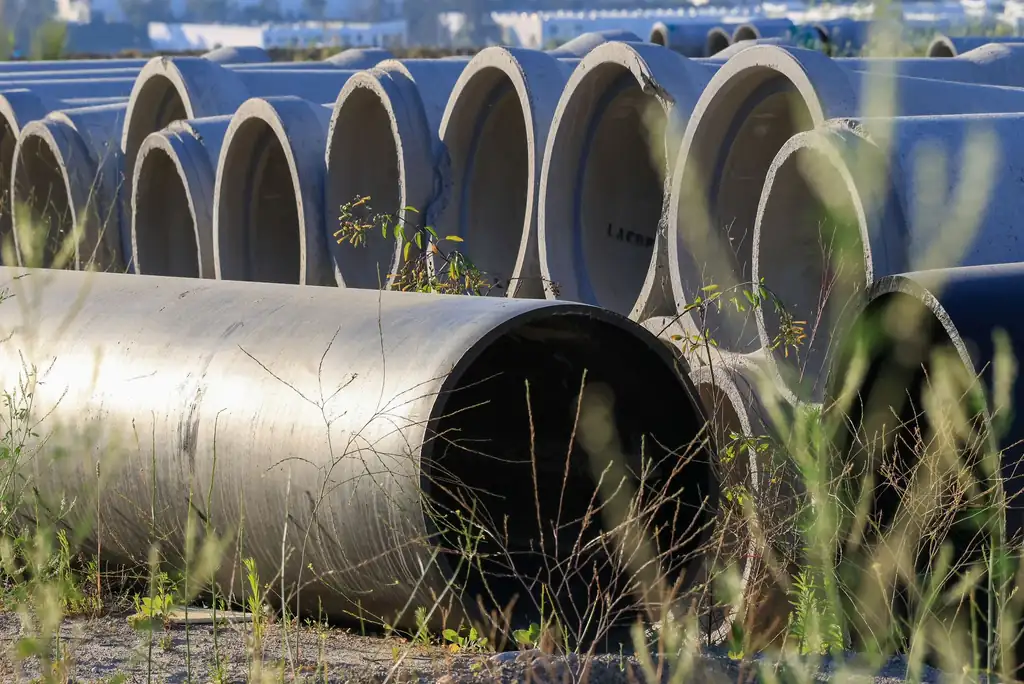
The core service for Bryan homeowners. We replace the full lateral from the house cleanout to the city main, sized and sloped to code, with the yard restored and the inspection signed off.
View service
Restaurants, salons, and multi-tenant buildings on older Bryan commercial blocks often share failing clay laterals. We schedule around business hours and handle grease-laden lines with hydro-jetting before replacement.
View servicePipe bursting and directional drilling let us replace a Bryan sewer line from two small pits. Best when the old line runs under a mature tree, a driveway, or finished landscaping you would rather not tear out.
View service
Open-cut excavation is still the right call when the old pipe is severely bellied or the alignment has to change. We dig, remove the old clay or cast iron, set new PVC on gravel, and compact the trench in lifts.
View service
Call (979) 340-0181 and you will talk to someone who knows Bryan sewer lines, not a call center. We answer 24/7 for emergencies, and we schedule standard estimates Monday through Friday. Most camera inspections get booked within one business day.