Focused arrival windows
Useful updates and clear arrival timing.
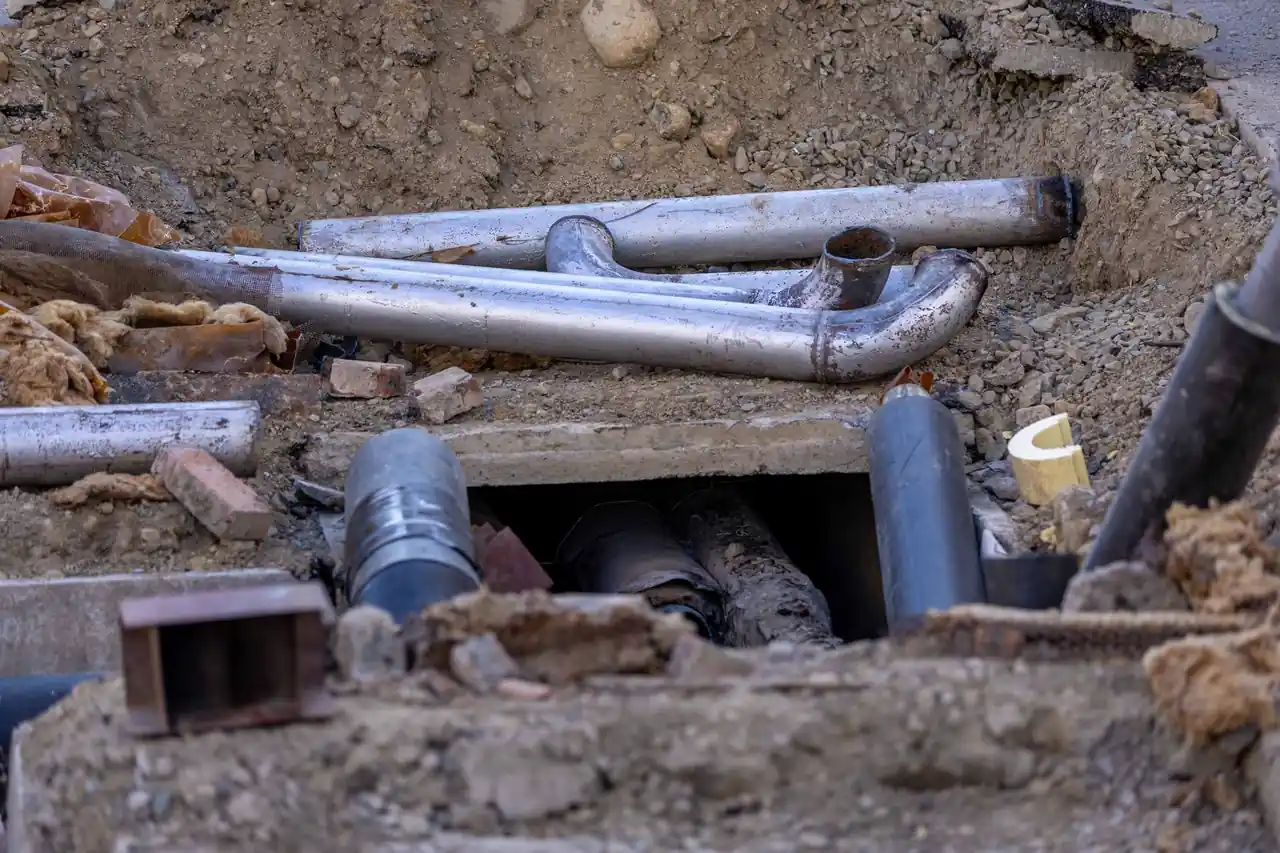
Sewer Line Replacement Permits in Bryan are the paperwork most homeowners never think about until a city inspector stops the job. We handle the application, the TSBPE-licensed plumbing sign-off, and the final inspection so your new line is legal, insurable, and covered. If you are replacing a collapsed sewer pipe in a 1950s College Hills home or a rental near Texas A&M, we pull the right permit the first time and keep the work moving.
Useful updates and clear arrival timing.
Review the approach and price before deciding.
Equipped vehicles and respectful cleanup.
Neighbors serving neighbors with follow-through.
Every permitted sewer replacement we sell includes the city application, the licensed contractor of record, the inspection coordination, and the paperwork you keep. Add-ons like driveway replacement, sod restoration, or interior slab repair get priced separately and shown on the same quote.
We prepare the application, attach the camera footage and scope, pay the city fee, and track the review to issuance. You get the permit number and a copy of the approved scope for your records.
The permit is filed under our state-licensed plumbing contractor record, which is what Bryan requires. Our TSBPE Master Plumber and Journeyman Plumber license holders supervise the work from excavation through inspection.
A NASSCO PACP-trained operator runs a sewer camera inspection system before and after the replacement. Both recordings go into your file, and the before footage supports the permit scope.
We schedule the city inspection, meet the inspector on site, and keep the trench open until it passes. If the inspector flags anything, we correct it and re-inspect at no extra charge to you.
After sign-off, we backfill with gravel and native soil, compact in lifts, and restore the surface. Driveway cuts, sod, and landscaping restoration are quoted up front so there is no surprise line item.
Share what is happening and receive a clear next step from the local team.
A sewer line replacement permit is the city's written approval to dig up, cut out, and reconnect a private sewer lateral. In Bryan, that means an application through the city's building department, a licensed plumbing contractor listed on the record, and an inspection before the trench is backfilled. The permit ties your address to the scope: how many feet of pipe, what material goes back in, and whether the connection at the city main gets inspected too. Without it, the work is unpermitted, and that follows the property.
Brazos County soil moves. Bryan sits on heavy clay that swells after every fall rain and shrinks hard in August, and that cycle cracks cast iron pipe and shears old clay joints. Add root intrusion from pecan and oak canopies in Pecan Ridge and Woodland Hills, and you get the two calls we run most: sewage backup and a slow drain that never clears. If you are pricing sewer line replacement permit cost in Bryan TX before you commit, we will tell you what the city fee runs and what our side of the permit work includes.
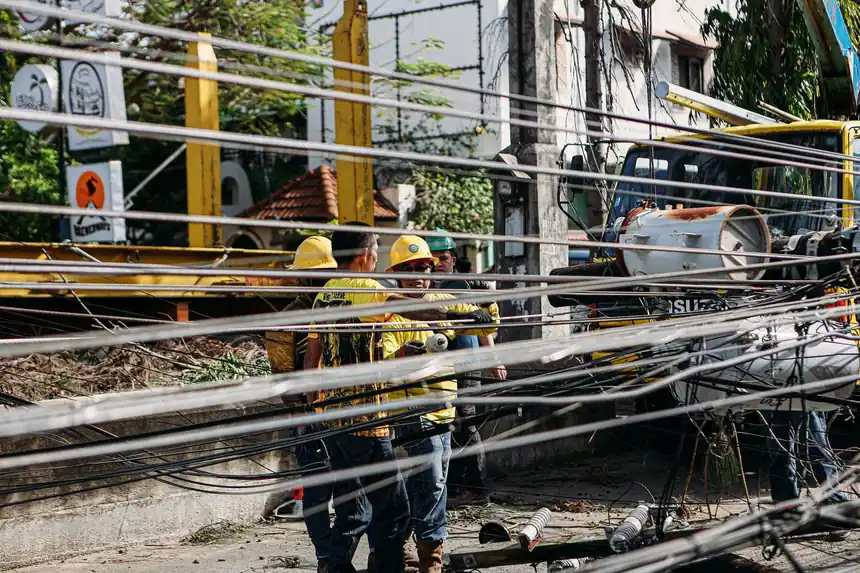
We run a sewer camera inspection system down the line and record the footage. You see the root intrusion, the offset joint, or the collapsed sewer pipe on the monitor with us. That footage determines the scope we put on the permit application and whether trenchless is an option.
We file the sewer line replacement permit with the city under our licensed plumbing contractor record. You do not stand in line. Typical turnaround in Bryan runs three to seven business days, and we tell you the number up front so you can plan around it.
Before anyone digs, we call in utility locates and mark the sewer route, water service, and any irrigation. On slab homes in Copperfield and Austin's Colony, we also map the interior drain runs so the excavation stays tight and your landscaping survives.
We cut out the failed section with a pipe cutter, excavate with a mini excavator or by hand in tight side yards, and set new pipe to grade with a laser level. Trenchless pipe bursting with a HammerHead Trenchless or TT Technologies rig avoids most of the digging when the line allows it.
The city inspector views the open trench, checks slope and materials, and signs off. Then we backfill with gravel and native soil, compact in lifts with a compactor, and restore the surface. You get the inspection record and a walkthrough before we leave.
Records the inside of the lateral before and after replacement. The footage supports the permit scope and shows you the failure on the monitor.
Pulls new HDPE pipe through the old line while breaking it outward. Used when the route runs under driveways, slabs, or mature landscaping.
Opens the trench for traditional replacements and handles tight side-yard access where a full-size machine will not fit.
Clean cuts on cast iron pipe, clay pipe, and PVC pipe so couplings seat properly and the new run lines up to grade.
Sets the fall on the new pipe and compacts backfill in lifts so the trench does not settle and break the line later.
Clears roots and grease before camera inspection so we can see the pipe wall and confirm whether replacement is actually needed.
Our operators code the inspection to PACP standards, which produces consistent, defensible footage. That footage goes into the permit application and gives the city inspector a clear view of the failure before the dig.
We pull new HDPE pipe through the existing alignment using a bursting head, fracturing the old pipe outward. Restoration is minimal, and the permit scope is smaller than a full open cut.
For collapsed lines and deep runs, we excavate, set new pipe on a laser-level grade, bed it in gravel, and compact the backfill. The trench stays open for inspection before it closes.
We assess whether epoxy resin CIPP lining can solve the problem without a full replacement. If the pipe is cracked but structurally sound, lining may work. If it is collapsed or bellied, we replace it and permit the dig.
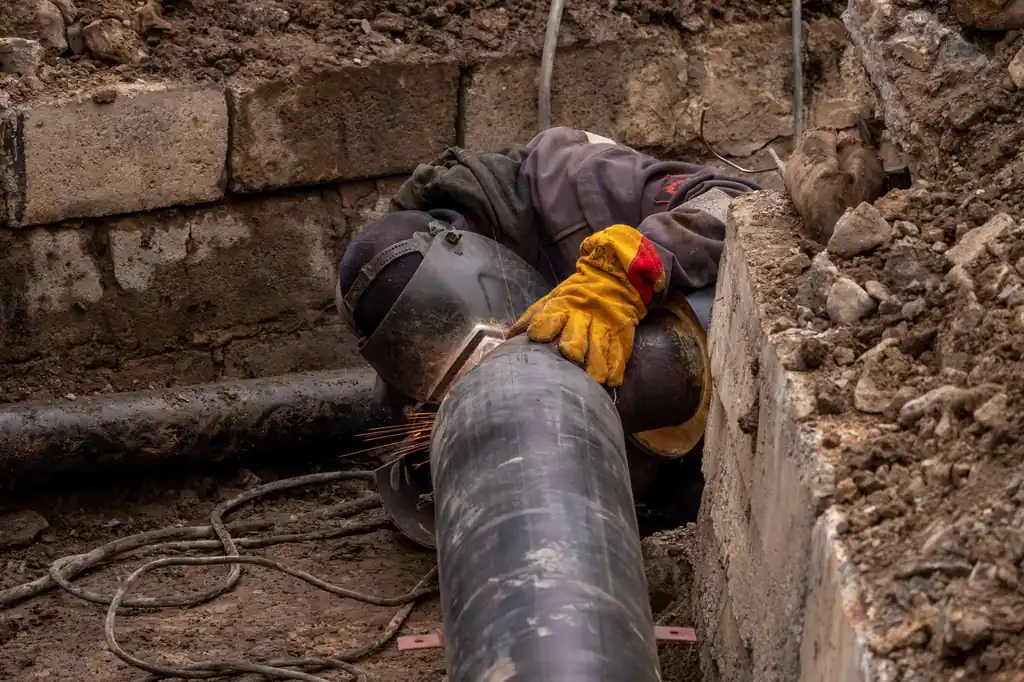
We camera the line, quote the replacement and permit together, and file the application within a day of approval. The city inspects the open trench, we backfill, and you get the record the buyer's title company wants. Closing stays on schedule, and the buyer gets a permitted, inspected lateral instead of a repair credit negotiation.
Camera footage shows root intrusion at multiple joints. We stop the immediate backup, then permit and replace the run with root-resistant pipe. Trenchless pipe bursting keeps the mature landscaping intact. No more backups, no torn-up yard, and an inspected line that holds through the next root season.
We schedule the camera inspection, file the permit, and complete the replacement in the gap between leases. Inspection records go into the owner's file for the next property manager handoff. The unit re-rents on time with permitted, documented sewer work and no disclosure surprises.
We scope both branches, identify the failed section, and file one permit covering the shared run. Work is phased so both units keep water service except during the tie-in. Both tenants stay housed, the line passes inspection, and the owner has one permit record for the whole property.
Bryan sits on expansive clay soil that swells with fall rain and shrinks through a dry August, and that movement is what breaks most laterals here. Homes built before the 1970s in Bryan Heights, College Hills, and near Downtown often still have clay pipe or Orangeburg pipe, while mid-century houses closer to the Medical District tend to have corroded cast iron pipe. When we file a sewer permit Bryan TX property owners need, we attach camera footage showing the actual failure, which speeds review and prevents the inspector from questioning the scope. Winter freezes are rare but hard, and a frozen lateral can crack at the joint; spring storms saturate the ground and expose bellies that were invisible in dry weather. If you are pricing sewer line replacement permit cost in Bryan TX, remember the city fee is the small part. The real variable is depth, surface type, and whether the line runs under a slab or driveway. We quote all of it before we file.
Lots of 1950s homes with original clay pipe and shallow laterals. Camera inspection almost always shows root intrusion at the joints.
Newer slab construction where interior access and concrete restoration drive the permit scope and the schedule.
Mature pecan and oak canopy means heavy root pressure on laterals. Trenchless replacement protects the landscaping.
Older commercial and residential stock with cast iron pipe and tight easements that require careful shoring and hand digging.
Shifts and cracks rigid pipe over time. We bed new PVC pipe or HDPE pipe in gravel to absorb movement and hold grade.
Roots enter at every joint gap. We replace with tight-jointed pipe and document root damage in the permit footage.
Older homes may have lead-related materials in the surrounding plumbing. Our EPA lead-safe certification covers safe handling during the dig.
Saturated ground can collapse trench walls. We shore to OSHA standards and schedule inspections around weather windows.
A 1958 home had clay pipe with roots at four joints and a slow drain that backed up into the laundry room twice in one year. The seller needed a clean sewer record before closing.
We replaced 62 feet of clay pipe with PVC pipe, passed inspection on the first visit, and backfilled the same day. The camera footage after the install showed a clean, root-free run at proper grade.
Maintenance: Avoid planting trees within 10 feet of the lateral and schedule a camera inspection every three to five years to catch root intrusion early.
A Pecan Ridge home had a collapsed section under a concrete driveway. The owner expected to lose the driveway and pay for a new pour on top of the sewer work.
We used trenchless pipe bursting to pull 48 feet of new HDPE pipe through the old alignment. The driveway stayed intact, and the permit inspection passed with only two small access pits to restore.
Maintenance: Keep the access pits clear of landscaping and watch for any new settling at the driveway edges after the first rainy season.
A duplex near the Texas A&M Area had Orangeburg pipe that deformed and collapsed, causing repeated backups on one side. The owner needed permitted work documented between leases.
We replaced 55 feet of Orangeburg pipe with PVC pipe, filed the permit under our license, and passed inspection before the next tenant moved in. The inspection record went into the owner's file.
Maintenance: Keep a copy of the inspection record with the property documents and have the line camera-checked before each lease turnover.
Most Bryan sewer calls trace back to the same handful of failures. Here is what we see, what happens if you wait, and how we fix it with the paperwork done right.
Roots keep coming back after every hydro-jetting, and the line eventually blocks completely. Repeated backups damage flooring and drywall, and the repair bill grows with each flood. We camera the line, confirm the root damage, and replace the affected run with PVC pipe and tight joints. The permit covers the excavation and the new connection, and the inspection confirms the grade before backfill.
Waste has nowhere to go, so it backs into the lowest drain in the house. Standing sewage in a Bryan yard is a health hazard and a code violation the city can cite. We excavate the failed section, replace it with new pipe set to grade with a laser level, and permit the work. If the line runs under a driveway or slab, we price trenchless pipe bursting as an alternative before we dig.
A title company finds the missing permit, the closing stalls, and you pay for a re-dig and inspection on someone else's timeline. Buyers walk when the paperwork is messy. We inspect the existing line, document what was done, and file a corrective permit with the city. If the pipe itself is failing, we replace it under the same permit and hand you a clean inspection record for closing.
The tar-paper pipe deforms over decades and collapses without warning. Patches do not hold, and every root pass makes the wall thinner until the line gives out completely. We replace the full Orangeburg run with PVC pipe or HDPE pipe, permit the work, and inspect the connection. Because these failures are common in Bryan's older housing stock, we document the replacement thoroughly for future resale.
$4,500 - $12,000 for a permitted residential replacement, plus $75 - $250 in city permit fees
Typical 2026 pricing in Bryan for a permitted residential sewer lateral replacement runs $4,500 to $12,000 depending on length, depth, surface type, and whether the line runs under a slab or driveway. The city permit fee itself is usually $75 to $250. Trenchless work costs more per foot than open excavation but saves far more in restoration. We quote the permit, the pipe, the labor, the inspection, and the surface repair as one number so you can compare apples to apples.
A permitted replacement protects your resale, keeps your material warranty valid, and means the city inspected the work before it was buried. The cheapest unpermitted dig is the one you pay for twice.
Most Bryan residential laterals run 40 to 80 feet from the house to the city main. Longer runs add pipe, labor, and inspection scope, and the permit fee scales with footage.
Deeper laterals require more excavation and trench shoring to OSHA standards. A line eight feet down costs meaningfully more to replace than one three feet down.
Grass is cheap to restore. Concrete driveway, sidewalk, or slab access adds cutting, removal, and pour-back, or pushes the job toward trenchless pipe bursting.
PVC pipe is the standard replacement. HDPE pipe with trenchless pipe bursting costs more per foot but avoids most restoration. We price both when the line allows either.
If the connection at the city main is included in the permit scope, the inspection and tie-in add time and coordination. We confirm this during the camera inspection.

We are a state-licensed plumbing contractor working Bryan and Brazos County sewer lines, and permits are part of every replacement we sell. Our technicians hold TSBPE Master Plumber and Journeyman Plumber licenses, and we carry OSHA safety certification for confined-space and trench work. Camera operators are trained to NASSCO PACP standards, so the footage we submit with an application is the same footage the inspector reviews. We work with RIDGID, Milwaukee, DEWALT, Spartan Tool, General Pipe Cleaners, and US Jetting equipment daily, and we know which Bryan neighborhoods have clay pipe, which have cast iron, and which still have Orangeburg pipe waiting to fail.
Our 1958 house had clay pipe that finally gave out. ClearLine ran a camera, showed me the roots on the screen, and filed the permit the same week. The inspector signed off on the open trench and they backfilled the next morning. Two days of digging and my side yard looks like they were never there.
I manage six rentals near campus and needed a sewer replacement permitted fast between tenants. They handled the city paperwork, kept me updated on the review, and passed inspection on the first visit. The inspection record went straight into my files. That is the part most contractors leave you to figure out alone.
Sewage backed up into the laundry room on a Sunday. They came out that night, stopped it, and started the permit Monday. Because the line ran under the driveway, they went trenchless and saved the concrete. Final cost matched the quote. I have already sent two neighbors their way.
Yes. Bryan requires a plumbing permit for any private sewer lateral replacement, and the work must be done by a licensed plumbing contractor. The permit covers the excavation, the pipe materials, the slope, and the connection. Skipping it can stall a home sale, void material warranties, and trigger a re-dig at your expense. We file it for you.
City permit fees for a residential sewer lateral replacement in Bryan generally run $75 to $250 depending on linear footage and whether the connection at the main is included. That is the city's fee only. Our quote bundles the permit, labor, pipe, and inspection into one number, so you are not writing separate checks to the city and the contractor.
Plan on three to seven business days for a standard residential permit in Bryan, and longer if the property is in a floodplain or the scope touches a city easement. We file the day you approve the quote and give you a realistic issue date. Emergency replacements start immediately under a repair-and-permit sequence.
A licensed plumbing contractor files the application, signs the permit, and meets the inspector on site. We handle that end to end under our TSBPE license, including the camera footage and scope the city reviews. You sign the authorization and we take it from there. Call (979) 340-0181 to start the application.
Not seeing your question? Our local team can help you understand urgency, scheduling and what to expect.
Ask the local team
Single-family homes in Bryan make up most of our permitted replacements. We pull the permit, replace the lateral, and pass inspection. Older homes in Bryan Heights and College Hills often need clay pipe or cast iron pipe swapped to PVC pipe in the same visit.
View service
Restaurants and retail along Bryan Towne Center and Midtown Bryan need permitted sewer work scheduled around business hours. We file commercial permits, coordinate with the city on grease-laden lines, and phase the dig so you keep serving customers.
View service
Trenchless pipe bursting with a HammerHead Trenchless rig replaces the line through existing access pits. The permit scope is smaller, the restoration is lighter, and most Bryan driveways and mature landscaping stay intact. We confirm suitability with camera footage first.
View serviceWhen the line is collapsed, badly bellied, or under a slab, open excavation is the honest answer. We permit the full dig, shore the trench to OSHA standards, and restore the surface. Common in older Bryan neighborhoods with shallow utilities.
View service
Call (979) 340-0181 and you will talk to someone who knows Bryan sewer lines, not a call center. We answer 24/7 for emergencies, and we schedule standard estimates Monday through Friday. Most camera inspections get booked within one business day.