Focused arrival windows
Useful updates and clear arrival timing.
Sewer Line Replacement Under a Slab in Bryan means pulling out a failed pipe beneath your foundation and putting a code-correct line back in its place. We handle slab sewer line replacement Bryan TX homeowners call about most: cast iron that has rotted through, clay pipe crushed by roots, and Orangeburg that has collapsed. If your drains gurgle, back up, or smell, call (979) 340-0181 and we will camera the line the same day.
Useful updates and clear arrival timing.
Review the approach and price before deciding.
Equipped vehicles and respectful cleanup.
Neighbors serving neighbors with follow-through.
Every slab sewer line replacement we do in Bryan includes the camera inspection, the pipe, the concrete patch, and the paperwork. Here is what is covered on a standard job, and what we price separately when your situation calls for it.
We run a NASSCO PACP-graded camera pass from the cleanout to the city tap and record it. You get the video file, and we mark the failed section on your floor before anything gets cut. This is the step that tells us whether you need a full replacement or a spot repair.
We saw-cut the slab along the pipe route, break out the concrete, and pour a patch back flush with the surrounding floor once the new line is tested. The patch is included in the price, not billed as a separate trade.
We install new PVC pipe at the correct fall with pipe couplings at every tie-in. The old cast iron, clay, or Orangeburg pipe leaves the site. We do not reuse failed sections or patch around them.
Before backfill goes in, we pressure-test the new line and run the camera through it a second time. If a joint is off or a fitting leaks, we fix it while the trench is still open. You see the second pass on screen.
We backfill with gravel and compact it in lifts with a plate compactor so the soil under the patch does not settle. Floors get protected before we start, and we haul off the old pipe and concrete. You are left with a level patch and a working line.
Sewer replacement in Bryan needs a permit and an inspection. We pull the permit, meet the inspector on site, and keep the signed-off record on file with your camera footage so it is there when you sell the house.
Share what is happening and receive a clear next step from the local team.
Sewer Line Replacement Under a Slab in Bryan is a plumbing repair that removes a failed sewer pipe running beneath a concrete foundation and installs a new line in its place. The work starts with a sewer camera inspection system pushed through a cleanout, which tells us whether the pipe is cracked, collapsed, or packed with roots. From there we choose the method: open excavation through the slab, or trenchless pull that avoids breaking concrete. Most Bryan homes built before 1985 still have cast iron, clay, or Orangeburg pipe under the floor, and all three fail with age.
Bryan sits on expansive clay soil that shifts with every wet and dry cycle, and that movement is hard on buried pipe. Add live oak and pecan roots hunting for moisture, plus decades of grease and paper inside a 4-inch line, and you get the backups we see in College Hills, Bryan Heights, and the older blocks near Downtown Bryan. If you are pricing sewer line replacement under slab cost in Bryan TX, the honest answer is that a camera inspection comes first. We do not quote a slab job until we have seen the inside of your pipe.
We run a sewer camera inspection system from the cleanout to the city tap and record the whole pass. You watch the screen with us. This is where we find root intrusion, cracked sewer pipe, or a collapsed section, and where we measure the depth and length of the failed run. Expect 45 to 60 minutes, and you get the video file.
We mark the pipe route across your floor with a laser level and locate the exact break points. Then we map the cut lines so the concrete patch is as small as the job allows. For trenchless work we also locate the launch pit and the pull pit. You see the marks before any saw touches the slab.
We saw-cut the slab, break out the concrete, and dig the trench with an excavator where access allows, hand tools where it does not. Floors get plastic sheeting and plywood protection before we start. On a typical 20-foot under-slab run, this stage takes one to two days and generates most of the dust and noise.
The old cast iron, clay, or Orangeburg pipe comes out and new PVC pipe goes in at the correct fall, with pipe couplings at every tie-in. If the run is long and the soil allows, we use a pipe bursting machine or trenchless drilling rig instead, pulling HDPE pipe through the old line and skipping most of the digging.
We pressure-test the new line and run the camera through it a second time before anything gets covered. Then we backfill with gravel and compact it in lifts with a compactor, pour the concrete patch, and finish it level with the surrounding floor. Final walkthrough takes about 30 minutes.
Pushed from the cleanout to the city tap to record the inside of the pipe. We use it before and after replacement, and you watch the screen with us.
Pulls new HDPE pipe through the old line while breaking the old pipe outward into the soil. This is how we replace under-slab lines without cutting concrete.
Clears grease, scale, and roots from a line before inspection. We use US Jetting and Spartan Tool units on Bryan sewer work.
Used for open excavation where access allows. In tight hallways and finished rooms we switch to shovel and trenching tools and hand-dig the run.
Sets the fall on the new pipe and marks the slab cut lines so the concrete patch is as small as the job allows.
Compacts gravel backfill in lifts so the soil under the patch does not settle and crack the new concrete.
Clean cuts on cast iron, PVC, and HDPE pipe. Precise cuts mean better joints and fewer leaks down the road.
We grade every camera pass to NASSCO PACP standards, the same system municipal crews use. That means the condition of your pipe is documented in a format any inspector or engineer can read. You get the footage and the grade.
We pull new HDPE pipe through the old line from a launch pit and a pull pit outside the foundation. The old pipe breaks outward into the soil. It works when the old pipe is the right size and the run is fairly straight, and it keeps your slab intact.
When the pipe is collapsed, offset, or too damaged to pull, we excavate. We saw-cut the slab, dig the trench, remove the failed pipe, and install new PVC pipe at the correct fall. This is the method for Orangeburg pipe failure and badly crushed clay.
For some under-slab lines, we coat the inside of the existing pipe with epoxy resin and a liner instead of replacing it. CIPP works for cracked pipe but not for collapsed or offset runs. We tell you honestly when lining is the right call.
Before backfill goes in, we pressure-test the new line and run the camera through it again. If a joint is off, we fix it while the trench is open. This is the step that keeps you from paying twice.

We camera the line, confirm the corroded cast iron pipe has scaled shut and cracked, and replace roughly 25 feet of it with PVC pipe. We cut a channel through the slab, set the new pipe at the correct fall, and pour the patch back level. Backups stop, the drains run like new, and the homeowner has camera footage and a permit record for resale. Job took four days including concrete cure.
We camera both branches, isolate the rear unit's failed run, and go trenchless where the pipe size allows. A pipe bursting machine pulls new HDPE pipe through the old clay line from two small pits outside the foundation. No slab cut, no flooring removal, and tenants back in the unit in two days. The landlord gets the camera footage and warranty paperwork on file.
Orangeburg cannot be repaired, so we excavate. We saw-cut the slab, dig the trench by hand because of the tight hallway, remove the failed run, and install new PVC pipe with compacted gravel backfill. The line is code-correct and pressure-tested, the patch is flush with the hall floor, and the homeowner can lay new flooring after the concrete cures. Five-day job start to finish.
We isolate the sewer from the water lines, camera the sewer, and find a cracked section under the slab. We replace the failed pipe, pressure-test it, and confirm the leak is gone before backfill. Water bill returns to normal, the soil under the slab dries out, and the foundation stops moving in that corner. Repair documented with photos and video.
Bryan's expansive clay soil is the biggest factor in under-slab sewer work here. The ground swells when it is wet and shrinks when it is dry, and that movement cracks clay pipe and pulls cast iron joints apart over time. The older housing stock in College Hills, Bryan Heights, and the blocks near Downtown Bryan still has cast iron, clay, and Orangeburg pipe under the slab, and all three fail with age. Summer heat bakes the soil dry, then fall rains soak it, and that cycle is hard on buried lines. We schedule most under-slab replacements in the cooler months when the ground is workable, but emergency calls come year-round. If you are comparing sewer line replacement under slab for older homes Bryan, the camera inspection is the only way to know which pipe you have and how much of it needs to come out. We pull the Bryan permit, meet the inspector, and keep the signed-off record with your footage.
Mid-century homes with cast iron under the slab. We see corroded pipe and repeat backups here more than anywhere else in Bryan.
Older housing stock with clay and Orangeburg pipe. Root intrusion at joints is the most common failure we find.
Newer builds where under-slab lines are usually PVC, but soil movement still causes joint separation and cracked pipe.
Renovated older homes where the sewer route crosses finished floors. Trenchless work saves the tile and the original hardwood.
1970s homes with Orangeburg pipe that has deformed. These jobs almost always need open excavation and a concrete patch.
Movement cracks clay pipe and separates cast iron joints. It is the main reason under-slab lines fail in Bryan, and it is why we compact backfill in lifts after a replacement.
Roots find moisture at pipe joints and grow into the line. Hydro-jetting clears them for a while, but a root-damaged pipe under a slab usually needs replacement.
The wet-dry cycle speeds up soil movement and pipe failure. We see more under-slab calls in late summer and again after heavy fall rain.
Pipe from the 1950s through the 1970s is at or past its service life. When we camera these lines, we usually find scaling, cracks, or offset joints.
A 1958 ranch house had backed up three times in two years. The camera showed 22 feet of corroded cast iron pipe under the slab, scaled shut to about half its original diameter, with a cracked section near the hall bathroom.
We cut an 18-inch channel through the slab, removed the failed cast iron, and installed new PVC pipe at the correct fall. Pressure test passed, second camera pass was clean, and the concrete patch cured flush with the hall floor. No backups in the year since.
Maintenance: We recommend a camera check every three to five years and a hydro-jet if you notice slow drains. Avoid pouring grease down the kitchen drain. The new PVC pipe should outlast the house.
A homeowner had sewage smell in the yard and slow drains across the house. The camera found root intrusion and a cracked joint in the clay pipe under the slab. Two previous plumbers had only jetted the line.
We went trenchless. A pipe bursting machine pulled new HDPE pipe through the old clay line from two small pits outside the foundation. No slab cut, no flooring removal. The job took a day and a half and the smell was gone the same week.
Maintenance: Keep trees and large shrubs at least 10 feet from the sewer route. We suggest a camera check every five years. The HDPE pipe handles root pressure better than the clay it replaced.
A 1974 home had a collapsed line under the hall bathroom. Orangeburg pipe had deformed and crushed, and the toilet would not flush without backing up into the shower. The slab had to come up.
We saw-cut the slab, hand-dug the trench through the hallway, removed the failed Orangeburg, and installed new PVC pipe with compacted gravel backfill. The patch was poured flush and the line passed inspection. Five days start to finish.
Maintenance: Wait for the concrete to cure before laying new flooring, usually about a week. We keep the camera footage and permit record on file. Schedule a camera check if you ever notice slow drains returning.
Most under-slab failures in Bryan fall into a handful of patterns. Here is what we see, what happens if you leave it, and how we fix it.
If a line clogs twice in a year, the pipe itself is failing. Snaking clears the symptom and leaves the cracked or collapsed section in place. The next backup usually comes faster and backs up more waste. We camera the line, find the failed section, and replace it with new PVC pipe. Once the cracked or collapsed run is out, the backups stop. Most Bryan homeowners we help had already paid for two or three drain cleanings before they called us.
That smell means waste is leaving the pipe before it reaches the city main. Under a slab, the leak saturates the soil and can undermine the foundation. It also attracts pests and makes the yard unusable. We locate the leak with the camera, excavate the failed section under the slab, and replace it. Then we pressure-test the new line before backfill. The smell goes away because the waste is back inside the pipe where it belongs.
When every drain is slow, not just one, the problem is in the main line, not a single fixture. A partially collapsed sewer pipe under the slab restricts flow and gets worse as the pipe deforms. We run a camera from the cleanout and measure the restriction. If the pipe is deformed or offset, we replace the run. If it is root intrusion at a joint, we cut the roots and replace that section. Either way, you get a straight answer and a written price.
A leaking under-slab line keeps the soil wet in one spot, which makes the clay here expand and contract unevenly. That shows up as cracks in tile, sticking doors, and slab movement that gets worse each season. We find and replace the leaking pipe, then compact the backfill in lifts so the soil under the patch is stable. Fixing the water source is the first step. We document the repair with photos so your foundation contractor has the full picture.
$4,500 - $15,000 depending on scope
Typical 2026 pricing for under-slab sewer replacement in Bryan runs $4,500 to $15,000, with most single-family jobs landing near $7,500. The range is wide because the work is different on every house. A short trenchless pull with no concrete work sits at the low end. A long open excavation under finished tile, with a city tap tie-in and a large patch, sits at the top. We give you a written price after the camera inspection, before any concrete gets cut.
The price covers the camera inspection, the pipe, the concrete patch, the permit, and the warranty. You get the footage and the paperwork. A failed line left alone will cost you more in backups, water damage, and foundation repair than the replacement does.
Pipe is priced by the foot. A 15-foot replacement costs far less than a 40-foot run. The camera pass measures the failed section so the quote reflects your actual line, not a guess.
Deeper lines mean more digging and more shoring. Most Bryan under-slab lines sit 18 to 36 inches below the floor. Past three feet, labor and safety requirements push the price up.
Trenchless pipe bursting skips the concrete cut and the patch, which saves money and time. Open excavation costs more because of the saw-cutting, the concrete removal, and the patch pour.
Tile and hardwood cost more to remove and reset than carpet or vinyl. We protect floors before we start, but some finishes need a flooring contractor after the patch cures.
PVC pipe and couplings are the standard for replacements. Tie-ins to the city main, cleanout additions, and any cast iron transitions add material and labor to the job.
Bryan requires a permit and an inspection for sewer replacement. We pull the permit and meet the inspector on site. The fee is part of the job cost, not a surprise line item.
Our technicians hold Master Plumber and Journeyman Plumber licenses through the Texas State Board of Plumbing Examiners, and we carry OSHA safety certification for confined-space and excavation work. We have pulled failed cast iron, clay, and Orangeburg pipe out from under Bryan slabs in College Hills, Villa West, and the older streets near Downtown Bryan. We run NASSCO PACP camera standards on every inspection so the footage is graded the same way a municipal crew would grade it. When we say a line is collapsed, you can see it on the screen.
Our 1950s house had cast iron under the slab and we had snaked it three years running. ClearLine camered it, showed us the cracked section on screen, and quoted the job that afternoon. They cut a channel about 18 inches wide, replaced roughly 22 feet of pipe, and poured the patch back level. Two days of work and no backups since.
We had sewage smell in the yard for a month and two other plumbers told us to just keep jetting it. ClearLine found root intrusion at a joint under the slab and gave us the option to go trenchless. They pulled new pipe through with the bursting machine and never touched our tile. Done in a day and a half.
A duplex I rent near campus backed up on a Sunday night. ClearLine came out, stopped the flow, and camered both branches Monday morning. The rear unit had collapsed clay pipe under the slab. They replaced it, pulled the permit, and passed inspection. Tenants were back in by Thursday and I have the footage on file.
Most under-slab replacements in Bryan run $4,500 to $15,000 in 2026, with a typical single-family job landing near $7,500. Length of the run, depth, pipe material, and whether we can go trenchless drive the number. A short 15-foot cast iron replacement with a small concrete patch sits at the low end. A 40-foot run under a finished floor with tile, plus a city tap tie-in, pushes toward the top. The camera inspection tells us which one you are looking at.
We cut and break a channel in the slab along the pipe route, dig down to the failed line, cut the old pipe out, and set new PVC pipe at the correct fall. Then we pressure-test, backfill with compacted gravel, and pour a concrete patch flush with the floor. Where the pipe size and soil allow, we skip most of the concrete work and pull new HDPE pipe through the old line with a pipe bursting machine instead.
Sometimes, yes. Trenchless pipe bursting pulls a new HDPE pipe through the old line from two small pits outside the foundation, so the slab stays intact. It works when the old pipe is the right size, the run is fairly straight, and there is room for the launch and pull pits. Cracked or offset clay pipe with heavy root intrusion may rule it out. The camera pass tells us in about an hour.
We do. ClearLine Sewer Solutions handles slab sewer line replacement across Bryan and Brazos County, including College Hills, Bryan Heights, Austin's Colony, and the older blocks near Downtown Bryan. Our technicians are state-licensed, we run NASSCO PACP camera inspections, and we handle the concrete patch as part of the job. Call (979) 340-0181 and we will get a camera on your line.
Not seeing your question? Our local team can help you understand urgency, scheduling and what to expect.
Ask the local team
Most of our under-slab work is residential. Single-family homes in Bryan with cast iron or clay pipe under the floor are the jobs we see weekly, and we handle the camera, the dig, the pipe, and the concrete patch as one project.
View service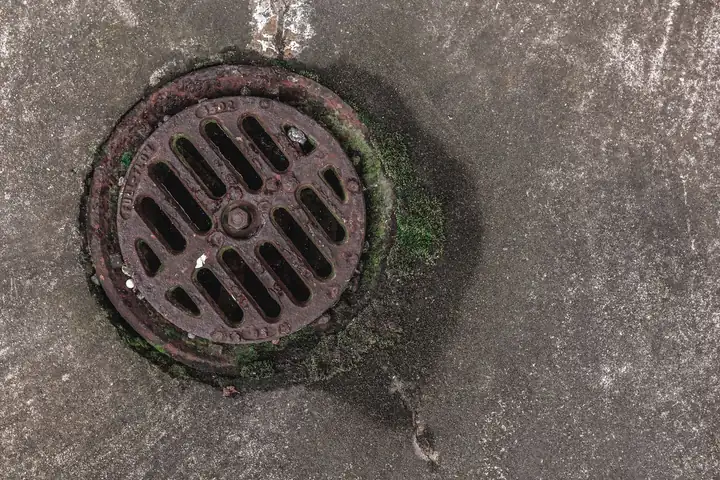
Restaurants and retail buildings near Bryan Towne Center and Midtown Bryan often have under-slab lines carrying heavy grease loads. We schedule commercial replacements after hours so your business does not lose a day of revenue.
View service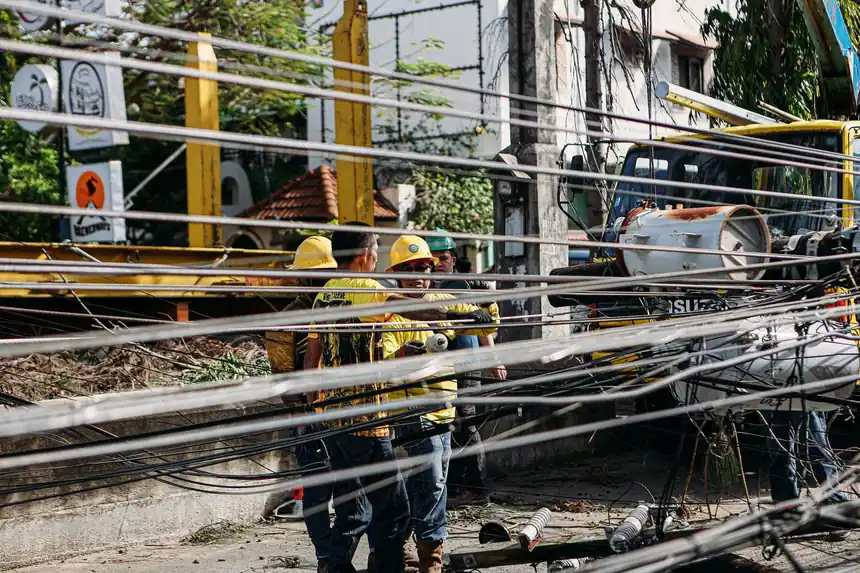
When your under-slab line qualifies, trenchless replacement keeps the concrete intact. We pull new HDPE pipe through the old run with a pipe bursting machine, which means no slab cut, no flooring removal, and a much shorter job.
View service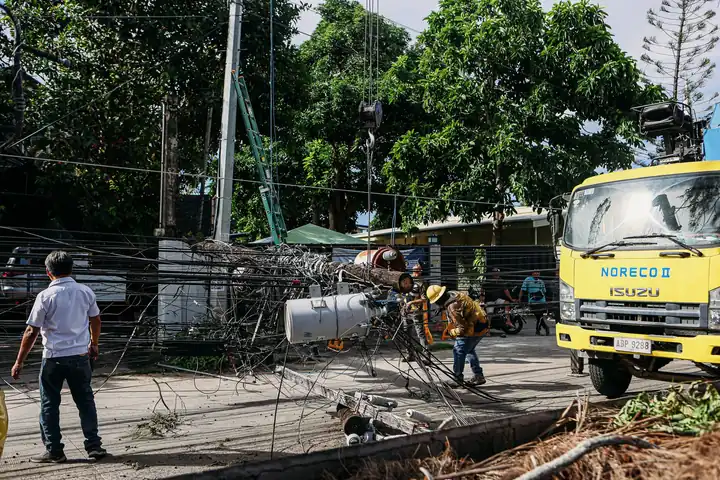
Some under-slab lines cannot be pulled. Offset clay pipe, heavy root intrusion, or a collapsed section means open excavation. We saw-cut the slab, dig the trench, replace the pipe, and pour the patch back level.
View serviceCall (979) 340-0181 and you will talk to someone who knows Bryan sewer lines, not a call center. We answer 24/7 for emergencies, and we schedule standard estimates Monday through Friday. Most camera inspections get booked within one business day.