Focused arrival windows
Useful updates and clear arrival timing.
Sewer Line Replacement Under Landscaping in Bryan means pulling a failed line out from under flower beds, sod and irrigation without wrecking the yard you paid for. We handle landscaping sewer line replacement in Bryan for homeowners in College Hills, Austin's Colony and the Texas A&M area whose clay or cast iron pipe has finally quit. You get a camera-verified diagnosis, a written scope, and a crew that puts the grass back.
Useful updates and clear arrival timing.
Review the approach and price before deciding.
Equipped vehicles and respectful cleanup.
Neighbors serving neighbors with follow-through.
Every replacement we quote in Bryan covers the pipe, the dig and the yard. Here is what comes standard, so you can compare our number against anyone else's apples to apples.
A NASSCO PACP-certified tech runs the sewer camera inspection system, records the footage, and marks the line path with a sonde locator. You get a copy of the video and a written diagnosis before any digging starts.
We pull the Bryan or Brazos County permit, schedule the pre-backfill inspection, and keep the signed inspection record in your file. That paperwork matters when you sell or file a claim.
Sod gets cut in squares, rolled and stacked in shade. Beds are hand-dug around root balls. After backfill we re-lay the sod, water it in, and leave you a two-week watering schedule so the turf knits back.
Every irrigation head, valve box and lateral we uncover gets flagged on arrival and re-set on the same zone layout after backfill. We run each zone before we leave to confirm nothing was nicked during the dig.
New PVC or HDPE pipe goes in on laser grade, bedded in gravel, with proper pipe couplings at the house stub and city tap. Backfill is placed in compacted lifts with a plate compactor so the trench does not settle into a dip.
Old clay, cast iron or Orangeburg pipe leaves with us, along with excess spoil. We run a final camera pass and a flow test to prove the line before we call the job done and hand over warranty paperwork.
Share what is happening and receive a clear next step from the local team.
Sewer Line Replacement Under Landscaping in Bryan is a licensed excavation and pipe replacement service that removes a failed main sewer line running beneath lawns, planting beds, walkways and irrigation zones, then installs new pipe and restores the surface. We start with a sewer camera inspection system to mark the exact failure, then choose between trenchless pipe bursting and a hand-dug open trench. On most Bryan lots the line sits 3 to 6 feet down, so the job is as much about protecting roots and sprinkler runs as it is about the pipe.
Most calls we take in Bryan come from homes built between 1955 and 1985, where deteriorated clay pipe or Orangeburg pipe has finally collapsed. Live oak and pecan roots find the joints, and after a wet spring the line shifts. If you have been pricing landscaping sewer line replacement near me Bryan TX, the honest answer is that the yard work is half the job. We map every irrigation head, cable and bed edge before a shovel hits dirt, and we keep the spoils on tarps so your lawn does not get buried.
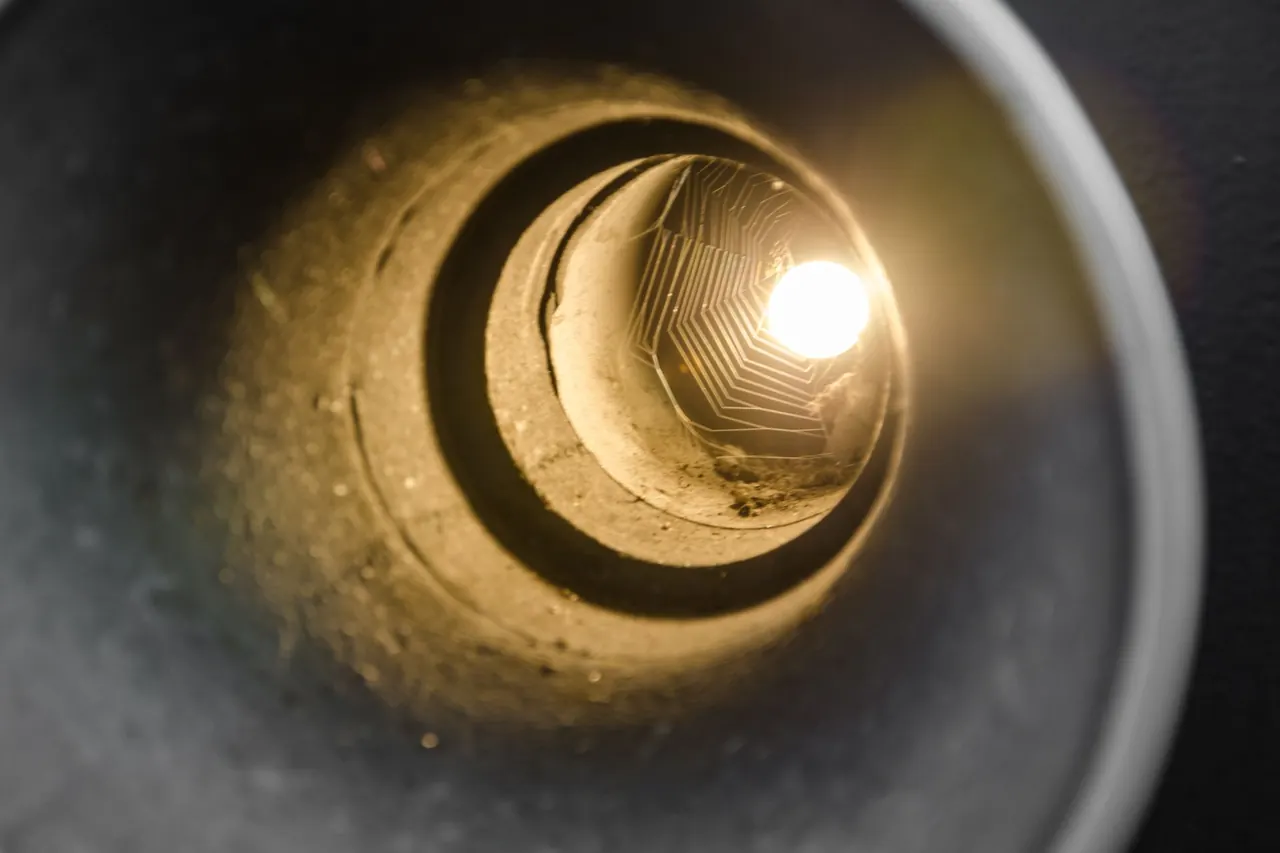
We run a RIDGID sewer camera down the cleanout and record the full line. A sonde locator paints the path on the surface, and we flag every irrigation head, valve box and cable we can find. You watch the footage with us. This takes 60 to 90 minutes and costs nothing if you hire us for the replacement.
Before any digging, we cut and roll sod along the proposed path, lay plywood over walkways, and tarp the spoil pile. Beds get a hand-dig perimeter so we can lift plants instead of cutting them. We photograph the yard on arrival so there is no argument later about what was there before we started.
If we are trenching, a compact excavator opens a 24- to 36-inch trench along the flagged path, shored where depth exceeds 5 feet per OSHA rules. If we are bursting, we dig two pits and pull the bursting head through. Either way, the old clay, cast iron or Orangeburg pipe comes out and gets hauled off.
We set new PVC pipe or HDPE pipe on grade with a laser level, tie into the city tap and the house stub with proper pipe couplings, and bed the line in gravel. Every joint gets checked before backfill. A typical residential run of 50 to 70 feet takes one to two days to install once the trench is open.
We backfill in compacted lifts, re-lay the sod, reset irrigation, and run a final camera pass plus a flow test to prove the line. You get the footage and the warranty paperwork before we pull off site. Most jobs wrap in two to four days, and we do a follow-up look at the sod at the two-week mark.
RIDGID and General Pipe Cleaners cameras with sonde locators record the line and mark its path on the surface. Every replacement starts here.
Pulls a bursting head through the old pipe while towing new HDPE behind it. Used for trenchless replacement under established landscaping.
Opens trenches up to 6 feet deep and sets OSHA-compliant shoring. We use a 24- to 36-inch bucket to keep the cut narrow.
Cleans grease, roots and scale out of the line before camera inspection so we can see the pipe wall clearly.
Sets the new pipe on consistent grade and compacts backfill in lifts so the trench does not settle into a dip.
Pipe cutters, reciprocating saws and impact drivers for cutting out old cast iron and fitting new couplings in tight pits.
Our camera operators are PACP certified, which means the footage is coded to a national standard. Insurers, home inspectors and real estate transactions accept it without argument.
We pull new HDPE pipe through the old line from two small pits. It works on straight runs with intact pipe profile and leaves the middle of the yard untouched. The camera tells us if your line qualifies.
When the pipe is crushed or the grade is wrong, we open a shored trench, remove the old pipe, and set new PVC on laser grade. Shoring follows OSHA rules on every trench deeper than 5 feet.
CIPP lining with epoxy resin is sometimes viable instead of replacement. We evaluate it on camera and quote it alongside replacement when the pipe still holds its shape, so you can compare cost and lifespan.
We hand-dig the bed perimeter, lift the shrubs with root balls intact, and burst the old clay line from two access pits. New HDPE pipe goes in, and the shrubs go back in the same holes the same day. The line is replaced in two days, the shrubs survive, and the homeowner avoids a trench across the front lawn.
We camera the wye, find the failed branch, and replace only that section. The other unit stays in service the whole time, and we coordinate access with the tenants directly. The recurring backup stops, tenants never lose water, and the landlord gets footage and permit paperwork for the file.
The camera shows a cracked sewer pipe leaking into the soil. We excavate the failed section, replace it with PVC on grade, and re-lay the sod over the trench. The wet spot dries out, the backups stop, and the St. Augustine knits back within about three weeks of watering.
Orangeburg cannot be lined or burst reliably, so we excavate the full run, remove the tar-paper pipe, and install new PVC bedded in gravel with proper couplings at both ends. The line is fully replaced with material that will outlast the house, and the yard is restored with fresh sod over the trench.
Bryan sits on expansive clay soils that shrink in summer and swell after fall rains, and that movement is hard on old sewer pipe. The city has a deep stock of homes built between 1955 and 1985 with deteriorated clay pipe, cast iron pipe and Orangeburg pipe still in the ground. Live oak, pecan and elm roots find every joint, and the wet springs we get in Brazos County push groundwater into cracked sewer pipe. We plan around that. Fall is the best window for sod restoration because the turf is still growing but the heat stress is gone, so if you are reading this in October, you are in the right season to get it done. Work in Bryan requires a permit and a pre-backfill inspection, and we handle both. Whether you are in Bryan Heights, Woodland Hills or the Medical District, the sequence is the same: camera, locate, protect the yard, replace the pipe, restore the surface. If you have been putting off a landscaping sewer line replacement Bryan TX job because you cannot face the yard damage, the trenchless option usually changes that math.
Heavy concentration of 1960s homes with original clay laterals and mature shade trees. Hand-digging around root balls is standard here.
Newer construction, but irrigation systems are dense. We flag every zone before digging and re-test all of them after backfill.
Older housing stock where Orangeburg pipe and cast iron show up together. Full-run replacement is usually the right call.
Large lots with long sewer runs and established landscaping. Trenchless bursting saves the most yard here.
Rentals and duplexes with shared laterals. We schedule around tenant access and keep the other unit in service.
Movement separates pipe joints and cracks rigid clay and cast iron. We bed new pipe in gravel and use HDPE where flexibility matters, which reduces the chance of a repeat failure.
Roots are the leading cause of blockages we see in Bryan. We cut them during excavation and install root-resistant pipe, then advise on root barriers where the tree is close to the line.
Saturated soil pushes groundwater into cracked sewer pipe and overwhelms the line. We camera for infiltration points and replace the sections that are letting water in.
Replacement work needs a permit and a pre-backfill inspection. We pull the permit and schedule the inspection so the job does not stall waiting on paperwork.
A 1962 home had clay pipe under a bed of azaleas with a live oak 8 feet away. The line backed up every three months, and the homeowner had paid for four cleanouts in two years. The camera showed root intrusion at six joints.
We burst the line trenchless from two pits, installed 58 feet of new HDPE pipe, and left the azaleas in place. The line tested clean on camera, and the yard had two 4-foot pits instead of a 58-foot trench.
Maintenance: Water the two pit areas for two weeks and keep the tree on its normal schedule. We recommend a camera check every three years on lines near mature oaks.
A soggy strip of St. Augustine stayed wet through August, and the downstairs tub backed up during spring rains. The camera found a cracked sewer pipe leaking into the soil about 40 feet from the house.
We excavated the failed section, replaced 42 feet with PVC on laser grade, and bedded it in gravel. The wet spot dried within a week, and the sod went back in squares over the trench.
Maintenance: Keep the new sod watered daily for 10 days, then taper off. Avoid parking or driving over the trench for the first month while the backfill settles.
An older home had Orangeburg pipe that had deformed and would not clear. Two drain companies had tried to jet it, and the line collapsed further. Sewage was backing into the laundry room.
We excavated the full 65-foot run, removed the tar-paper pipe, and installed new PVC with proper couplings at the house stub and city tap. The line passed inspection and the flow test on the first pass.
Maintenance: Nothing special beyond normal use. Keep the inspection paperwork and camera footage in your home file for resale, and avoid pouring grease down the drain.
Most of the calls we get in Bryan are one of these five failures. Each one has a different fix, and the camera tells us which one you have.
Roots widen joints, catch paper and grease, and cause repeat backups every few months. Left alone, the root mass crushes the pipe and turns a spot repair into a full replacement. We cut the roots, camera the damage, and replace the affected run with root-resistant HDPE or PVC. If the rest of the line is sound, we replace only the damaged section and save you the cost of a full dig.
Collapsed pipe cannot be cleared or lined. Sewage backs into the lowest drain in the house, and the soggy strip in the yard gets bigger with every flush. We excavate to the failure, remove the crushed pipe, and set new PVC on laser grade bedded in gravel. Orangeburg gets fully replaced because no lining product will hold it together.
Corroded cast iron pipe narrows over decades until every drain in the house is slow. It eventually rots through and leaks under the slab or the yard. We cut out the failing iron, tie new PVC in with proper couplings, and test the full run. On mid-century Bryan homes we often replace the yard section and leave the under-slab portion if the camera shows it is still solid.
When the ground is saturated, a cracked sewer pipe lets groundwater in and overwhelms the line. You get backups at the worst possible time, usually on a weekend. We camera the line, find the cracked section or bad joint, and replace it. We also check the city tap and the cleanout for blockages. If the line is undersized for the fixture load, we tell you before we dig.
If you have paid for three or four cleanouts in two years, the pipe is failing in multiple places. Spot repairs keep the drain moving but never fix the underlying problem. We camera the entire run end to end and give you an honest read on whether replacement is cheaper than another repair. Most Bryan homeowners break even on replacement within two years of stopping the repair cycle.
$4,200 - $11,500 depending on scope
Typical 2026 pricing in Bryan runs $4,200 to $11,500 for a residential replacement under landscaping, and the spread comes down to four things: run length, depth, pipe material and how much yard has to be restored. Trenchless bursting usually costs a little more than open trench on the pipe side but saves on sod and irrigation. We quote the whole job, camera included, so you are not comparing a pipe price against a pipe-plus-yard price. Call (979) 340-0181 and we will give you a written range after the camera run.
You are paying for a camera-verified diagnosis, a permitted installation, and a yard that gets put back. The pipe is warrantied, the workmanship is warrantied, and the footage and inspection record stay in your file for resale.
A 40-foot run at 3 feet deep is a different job than an 80-foot run at 6 feet. Deeper trenches need shoring, more spoil handling and more backfill compaction, which adds labor and time.
Collapsed pipe has to be excavated. Intact pipe can often be burst trenchless. Orangeburg and badly corroded cast iron usually mean full replacement, while a single cracked joint may only need a spot repair.
A plain lawn is easy to cut and re-lay. Established beds, specimen shrubs, irrigation zones and hardscape edging add hand-digging and reset time, which shows up in the labor line.
Trenchless costs more on equipment but less on restoration. Open trench costs less on equipment but more on sod, irrigation and backfill. We price both when your line qualifies for either.
Bryan and Brazos County require a permit and a pre-backfill inspection. The fee is modest, but scheduling matters. We pull the permit and coordinate the inspection so the job does not sit open.
Fences, sheds, driveways and mature trees over the line path change the plan. Tunneling under a driveway or hand-digging around a root mass adds time but protects what is already there.
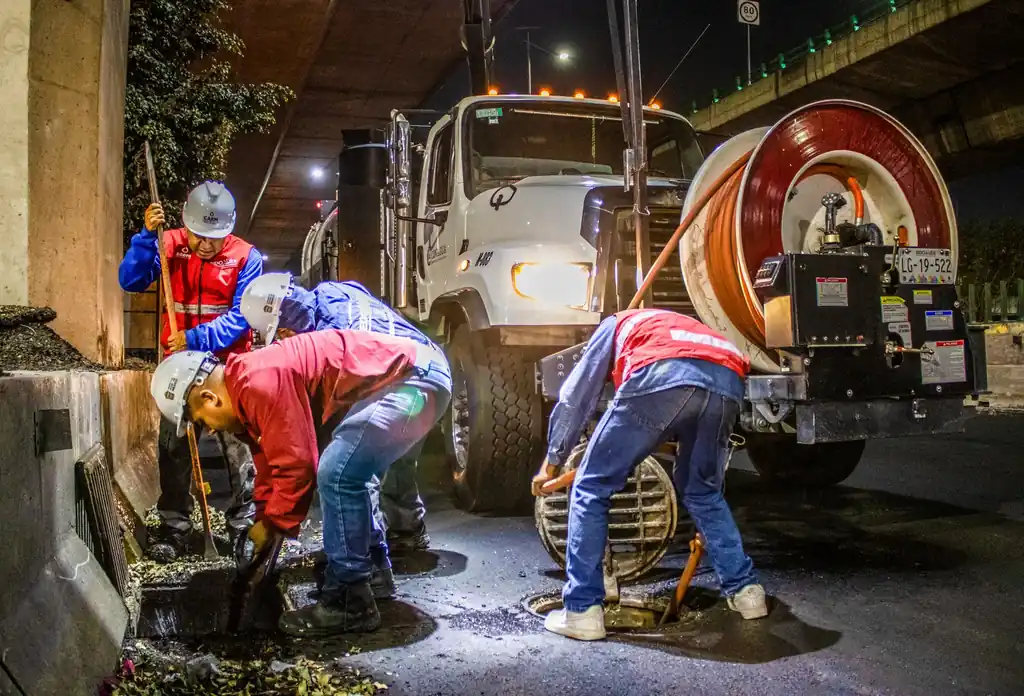
ClearLine Sewer Solutions is a state-licensed plumbing contractor working Bryan and Brazos County. Our field crews hold Master Plumber and Journeyman Plumber licenses through the Texas State Board of Plumbing Examiners, and our camera techs carry NASSCO PACP certification so the inspection footage holds up with insurers and real estate transactions. We run Milwaukee and DEWALT cordless tools, Spartan Tool and General Pipe Cleaners drain machines, and US Jetting hydro-jetters for pre-replacement cleaning. We know where the old clay lines run in College Hills, where Orangeburg pipe still hides in post-war neighborhoods, and how deep the frost line never gets here, which is why our lines sit shallower than a northern crew would guess.
Our 1962 house had clay pipe under a bed of azaleas and a live oak. ClearLine ran the camera, showed me the root intrusion on screen, and quoted trenchless. Two pits, one day, and the azaleas are still there. They re-laid the sod and watered it in before they left. I have had three neighbors ask who did it.
We had sewage backing into the downstairs tub on a Sunday night. They came out, stopped the flow, and came back Monday to replace about 60 feet of collapsed pipe under the front lawn. The price matched the quote, the sod went back in squares, and the irrigation still works. That is all I wanted.
I manage a duplex near campus with a shared lateral that kept clogging. ClearLine cameraed it, found the wye was the problem, and replaced that branch without touching the other unit. Tenants never lost service. They sent me the footage and the permit paperwork the same week, which made my records easy.
Most residential jobs in Bryan run $4,200 to $11,500 in 2026, depending on length, depth and how much yard has to come up. A 50-foot trenchless burst with two access pits sits at the low end. A 70-foot open trench through established beds, with full sod restoration and irrigation reset, lands at the high end. Camera inspection, permits and haul-off are included in our quotes.
We locate the line with a camera and sonde, flag every irrigation head and bed edge, then either burst the old pipe with a HammerHead rig from two small pits or open a shored trench along the flagged path. New PVC or HDPE pipe goes in on laser grade, gets bedded in gravel, and is tested before we backfill. Sod is re-laid and watered in the same week.
We can save most of it, not all of it. Trenchless pipe bursting leaves only two access pits, so a lawn that would have been cut end-to-end keeps its middle. When we do trench, we roll sod in squares, hand-dig around root balls, and lift plants rather than cut them. Expect 80 to 90 percent turf survival on a typical Bryan job, with the rest re-sodded.
ClearLine Sewer Solutions does, out of Bryan, Texas, serving Brazos County and ZIPs 77801, 77802, 77803, 77807 and 77808. We are a state-licensed plumbing contractor with NASSCO PACP camera techs and trenchless equipment on our own trucks. Call (979) 340-0181 and we will run a camera, show you the footage, and quote the pipe and the yard together.
Not seeing your question? Our local team can help you understand urgency, scheduling and what to expect.
Ask the local teamSingle-family homes are the bulk of our landscaping sewer line work in Bryan. We size the new line to the fixture count, tie into the city tap, and restore the yard. Most houses in College Hills and Villa West need 4-inch PVC from the house stub to the main.
View service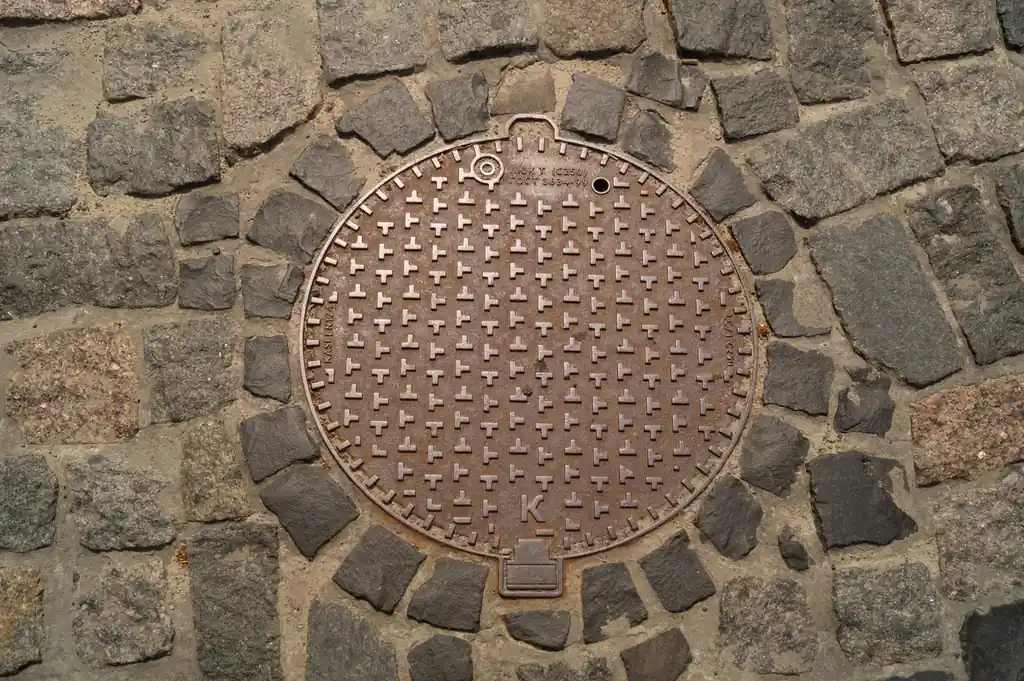
Restaurants, salons and multi-tenant retail on Texas Avenue and in Bryan Towne Center need grease-laden lines replaced without shutting down the parking lot. We schedule night and weekend digs and use trenchless methods where the landscaping is part of the curb appeal.
View service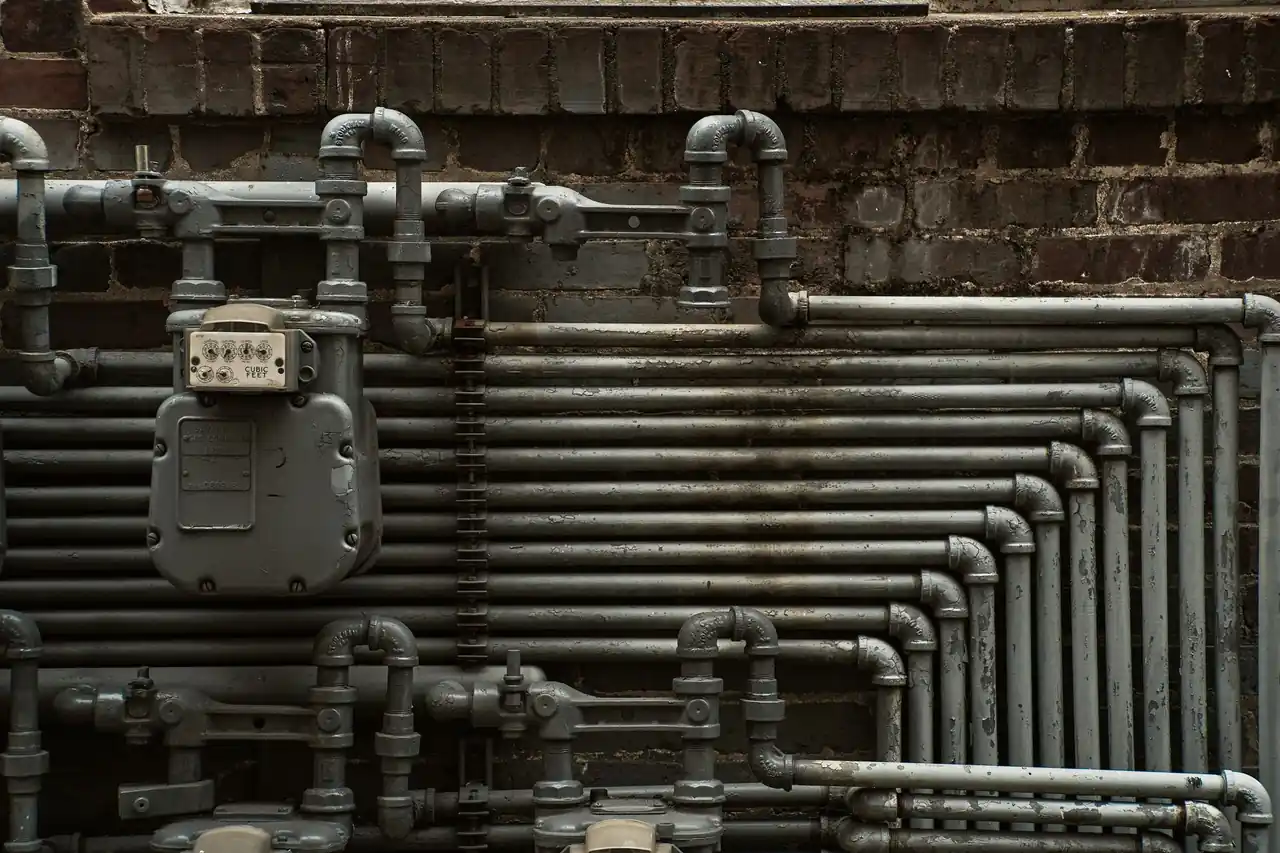
Pipe bursting pulls new HDPE pipe through the old line from two small pits, which is the least destructive option for a landscaped Bryan yard. It works best on straight runs with intact pipe profile. We confirm suitability with camera footage before we quote it.
View service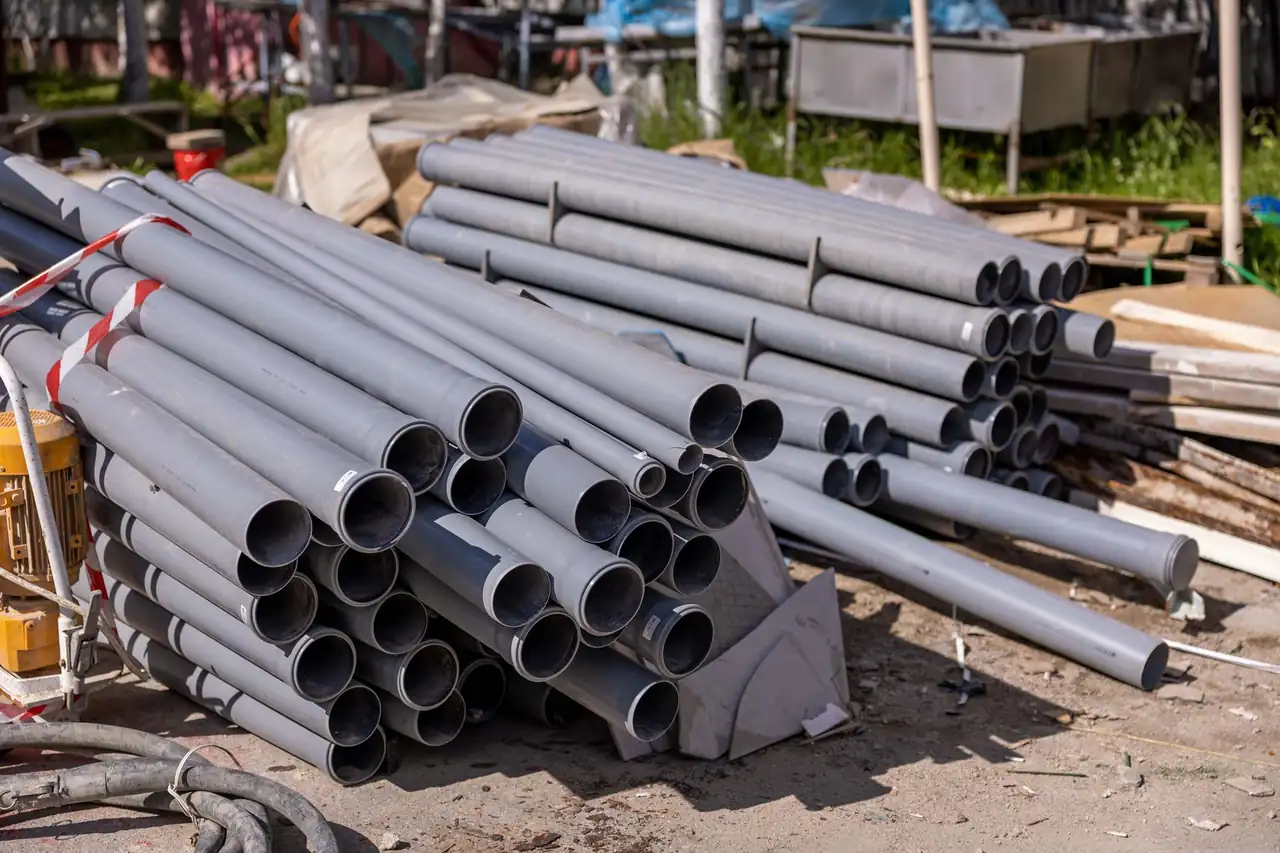
Open-trench replacement is still the right call when the old pipe is crushed flat, the grade is wrong, or the line has multiple offsets. We shore the trench to OSHA spec, hand-dig around landscaping where we can, and restore the surface when the pipe is in.
View service
Call (979) 340-0181 and you will talk to someone who knows Bryan sewer lines, not a call center. We answer 24/7 for emergencies, and we schedule standard estimates Monday through Friday. Most camera inspections get booked within one business day.